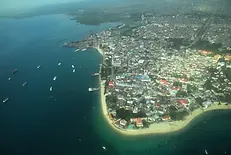
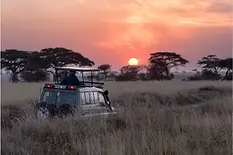
Tanzania is often sold as one simple journey: see the Serengeti, descend into Ngorongoro Crater, climb Kilimanjaro and finish on a Zanzibar beach. The map tells a more useful story. The country’s major wildlife areas, mountains, Indian Ocean islands, Swahili coast and western lakes are spread across distinct travel regions. Trying to combine too many of them can turn a memorable holiday into a sequence of airports and long transfers.
The first decision is therefore not which attraction is most famous. It is what kind of Tanzania trip you want. A first safari, a serious mountain expedition, a quiet southern wildlife circuit, a Swahili heritage journey and an island holiday require different gateways, seasons and amounts of time. XTRAfrica’s growing Visit Tanzania collection provides the supporting culture and destination stories; this pillar explains how those pieces fit into one realistic plan.
How should you plan a first trip to Tanzania? Choose one main region, match it to the right season and allow enough time for transfers. Most first-time visitors should build around either the northern safari circuit, the southern parks, Kilimanjaro or the coast then add Zanzibar only when the schedule supports it.
Where Tanzania Fits on the Map and in Your Travel Plans
Tanzania lies in East Africa between the Indian Ocean and the Great Lakes region. The mainland includes highlands, volcanic landscapes, extensive savannas and a long coast; the semi-autonomous Zanzibar archipelago includes Unguja, commonly called Zanzibar, and Pemba. Dodoma is the national capital, while Dar es Salaam is the largest commercial city and a principal transport gateway.
The Tanzania Tourism Board’s destination overview groups the country’s appeal around wildlife, islands, mountains, culture and nature. That variety is real, but the distances between regions matter.
Arusha and Kilimanjaro International Airport serve the northern safari circuit and mountain country. Dar es Salaam is the natural gateway for the coast and many southern routes. Zanzibar has its own international airport, while western destinations commonly require a domestic flight or a longer overland journey.
This guide is written for independent planners and travellers comparing tour proposals. It does not assume one nationality, budget or mobility level. Entry conditions, park tariffs and accessibility vary, so the operational sections explain what every reader should verify rather than pretending one answer applies to everyone.
The Northern Circuit: Tanzania’s Most Accessible Safari Route
For a first safari, northern Tanzania offers the most established progression of landscapes. Arusha is the organising centre, while Tarangire, Lake Manyara, Ngorongoro and the Serengeti can be connected by road and, where the budget allows, light aircraft. The circuit works because each stop contributes something different rather than repeating the same game drive.
TRAVEL
Tanzania Travel Guide: Where to Go, When to Visit and What to Do

Jul 30, 2026
Jul 30, 2026
32 min read

Published
Updated:
Tanzania is often sold as one simple journey: see the Serengeti, descend into Ngorongoro Crater, climb Kilimanjaro and finish on a Zanzibar beach. The map tells a more useful story. The country’s major wildlife areas, mountains, Indian Ocean islands, Swahili coast and western lakes are spread across distinct travel regions. Trying to combine too many of them can turn a memorable holiday into a sequence of airports and long transfers.
The first decision is therefore not which attraction is most famous. It is what kind of Tanzania trip you want. A first safari, a serious mountain expedition, a quiet southern wildlife circuit, a Swahili heritage journey and an island holiday require different gateways, seasons and amounts of time. XTRAfrica’s growing Visit Tanzania collection provides the supporting culture and destination stories; this pillar explains how those pieces fit into one realistic plan.
How should you plan a first trip to Tanzania? Choose one main region, match it to the right season and allow enough time for transfers. Most first-time visitors should build around either the northern safari circuit, the southern parks, Kilimanjaro or the coast then add Zanzibar only when the schedule supports it.
Where Tanzania Fits on the Map and in Your Travel Plans

Tanzania lies in East Africa between the Indian Ocean and the Great Lakes region. The mainland includes highlands, volcanic landscapes, extensive savannas and a long coast; the semi-autonomous Zanzibar archipelago includes Unguja, commonly called Zanzibar, and Pemba. Dodoma is the national capital, while Dar es Salaam is the largest commercial city and a principal transport gateway.
The Tanzania Tourism Board’s destination overview groups the country’s appeal around wildlife, islands, mountains, culture and nature. That variety is real, but the distances between regions matter.
Arusha and Kilimanjaro International Airport serve the northern safari circuit and mountain country. Dar es Salaam is the natural gateway for the coast and many southern routes. Zanzibar has its own international airport, while western destinations commonly require a domestic flight or a longer overland journey.
This guide is written for independent planners and travellers comparing tour proposals. It does not assume one nationality, budget or mobility level. Entry conditions, park tariffs and accessibility vary, so the operational sections explain what every reader should verify rather than pretending one answer applies to everyone.
The Northern Circuit: Tanzania’s Most Accessible Safari Route
For a first safari, northern Tanzania offers the most established progression of landscapes. Arusha is the organising centre, while Tarangire, Lake Manyara, Ngorongoro and the Serengeti can be connected by road and, where the budget allows, light aircraft. The circuit works because each stop contributes something different rather than repeating the same game drive.
Arusha and Mount Meru
Arusha is more than a night between flights and safari vehicles. It is where travellers meet guides, organise equipment and recover before or after the bush. Nearby Arusha National Park combines forest, lakes, volcanic terrain and Mount Meru, making it suitable for travellers who want walking or a gentler opening before several days of vehicle-based safari. XTRAfrica’s guide to Arusha National Park gives the park a dedicated introduction.
Do not use an arrival day for a major activity unless the flight schedule leaves generous room. International delays, baggage problems and road traffic can turn a tightly planned first afternoon into a missed booking. One night near Arusha or the airport is not wasted time when it protects the rest of an expensive safari.
Tarangire, Lake Manyara and the Rift Valley

Tarangire is defined by the Tarangire River, baobab country and marked seasonal changes in wildlife distribution. Lake Manyara provides a more compact mix of groundwater forest, escarpment scenery, woodland and lake-edge habitat. Neither should be sold as a guaranteed place for a particular animal. Water, vegetation and wildlife movement change through the year.
These parks are also useful for slowing the route. Travellers sometimes drive past them in a rush to reach Ngorongoro and the Serengeti, but a well-paced northern safari benefits from contrasting habitats. XTRAfrica’s wider overview of Tanzania’s national parks can help readers identify future park-specific journeys, although current tariffs and access details should always be checked with the managing authority.
Ngorongoro is a landscape, not only a crater descent

The Ngorongoro Conservation Area Authority describes a volcanic caldera roughly 20 kilometres across within a wider multiple-use conservation landscape. Most first visits centre on a crater-floor drive, but the highlands, escarpments and communities beyond the crater are part of the same region.
Ngorongoro also requires more thoughtful travel writing than the familiar image of wildlife in a people-free wilderness. Maasai pastoralists have lived in the conservation area for generations.
Human Rights Watch has reported forced relocation and restrictions affecting Maasai residents, while the government presents relocation through conservation and development goals. Travellers should ask operators how resident communities participate in tourism, avoid intrusive photography and recognise that conservation benefits and land rights are contested here.
Serengeti: choose an area, not a migration promise
The Serengeti is vast enough that saying “the herds are in the park” is not useful planning information. The annual migration responds to rain, water and grazing across the larger Serengeti–Mara ecosystem. Its location and timing vary, and a river crossing can never be guaranteed.
Tanzania National Parks’ Serengeti guide identifies road gates and airstrips across the central, southern, western and northern areas. That geography should shape accommodation. Central Serengeti is a strong general base for resident wildlife and access in several directions. Southern plains become especially relevant when herds gather there in the green season. Northern camps suit travellers prioritising the Mara River area, while the western corridor follows a different phase of movement.
Staying in the wrong area and attempting long daily drives to chase a sighting is tiring and wasteful. Ask a safari planner which zone matches the travel month, how many nights are allocated there and what resident wildlife offers if the migration is elsewhere. A credible operator explains probabilities and alternatives instead of promising a cinematic event.
Lake Eyasi and cultural tourism

Lake Eyasi is often inserted between wildlife areas as a “tribe visit.” That framing should be rejected. The Hadza are an Indigenous people of northern Tanzania with their own language, food systems, land struggles and contemporary lives. XTRAfrica’s introduction to the Hadza people provides the background that a rushed tourist encounter cannot.
If visiting, choose an arrangement in which the community identifies the host, activity, payment and photography rules. Hunting or foraging should not be treated as a performance that must happen for the camera. Ask who receives the fee and whether the visit supports locally defined priorities. Lake Eyasi deserves time for listening; it is not an ethical box to tick between two parks.
Southern Tanzania: Fewer Vehicles, More Complicated Logistics
The southern circuit attracts travellers who value space, river systems and a slower safari. It is not automatically cheaper than the north. Flights, limited camp seasons and long distances can raise costs even when visitor numbers are lower.
ADVERTISEMENT
Nyerere National Park
Nyerere’s tourism zone is strongly connected to the Rufiji River system. TANAPA’s Nyerere wildlife and habitat overview describes river channels, sandbanks, oxbow lakes, miombo woodland, grassland and floodplains. This range supports game drives alongside boat-based and walking activities where authorised.
The river changes the rhythm of a safari. Hippos, crocodiles, birds and animals approaching water become as important as the search for big cats. It also means water levels, rains and camp operations matter. Do not assume every lodge, route or boat activity operates throughout the year. Obtain a dated itinerary that names the airstrip or road entrance and confirms which activities are included.
Ruaha National Park

Ruaha suits experienced safari travellers, birders and visitors comfortable with a large, less concentrated landscape. The Great Ruaha River is a central ecological feature, and the park combines miombo woodland with more open areas. The official Ruaha National Park page lists game drives, walking safaris and birdlife among its experiences.
Wildlife density is not uniform, and a quiet hour does not mean the park has failed. Ruaha rewards observation of tracks, river conditions, trees and smaller species as well as predators. It is better given several nights than treated as a short add-on. Because road and air arrangements change, verify the current arrival point, baggage allowance, transfer plan and camp operating dates before paying.
Mikumi and Udzungwa
Mikumi is useful for travellers building outward from Dar es Salaam or combining wildlife with the Eastern Arc Mountains. Udzungwa shifts the focus from vehicle safari to forest, endemic species and hiking. The two can complement each other, but trail difficulty, rain and transport must be assessed separately.
A southern road itinerary should not be copied from map estimates. Roadwork, weather, urban traffic and park-gate procedures all affect the day. If a proposal combines Dar es Salaam, Mikumi, Udzungwa, Ruaha and Nyerere in a short period, ask how many days are primarily transfers. Removing one park may improve the trip more than adding another.
Western Tanzania: A Dedicated Journey, Not a Casual Extension
Western Tanzania includes Lake Tanganyika, chimpanzee destinations and remote savanna. Mahale Mountains and Gombe Stream are associated with chimpanzee tracking, while Katavi offers a very different wildlife landscape. These are compelling places, but they do not fit naturally into a standard road loop from Arusha.

Air schedules, boats, park arrangements and camp opening periods determine what is feasible. Build the trip around the western destination first, then add only connections that work on confirmed operating days. A missed flight or boat here can have a larger effect than in a busy circuit with many alternatives.
Chimpanzee tracking also differs from a game drive. Sightings are not guaranteed, walking conditions vary and visitor rules protect both people and primates. Confirm age limits, fitness requirements, group sizes and health restrictions with the park or operator. Travellers with limited mobility should request specific information about boat boarding, trail surfaces, gradients, toilets and the distance between accommodation and the activity start.
Western Tanzania is strongest for travellers willing to spend more time in fewer places. It is a poor choice for anyone trying to combine every national icon in one short holiday.
Zanzibar, Pemba and Mafia: Three Different Island Decisions
“Zanzibar” can mean the archipelago, the island of Unguja or a beach holiday marketed under one name. Unguja has the broadest range of accommodation and the easiest combination of heritage, food, beaches and flights. Pemba is greener, quieter and more dependent on carefully arranged transport. Mafia Island is not part of Zanzibar; it lies farther south and is best treated as a separate marine-focused destination.

XTRAfrica’s comparison of African Indian Ocean islands introduces Zanzibar, Pemba and Mafia alongside regional alternatives. For this trip, the right island depends less on which has the prettiest photographs and more on what the traveller wants to do.
Unguja for variety
Choose Unguja when you want Stone Town, a wide accommodation range, beach time and convenient flight connections. Beach conditions differ around the island. Strong tidal movement can expose large areas of reef or sand on parts of the east coast, while northern areas behave differently. Ask a property for recent, beach-specific information rather than relying on a general “Zanzibar beach” description.
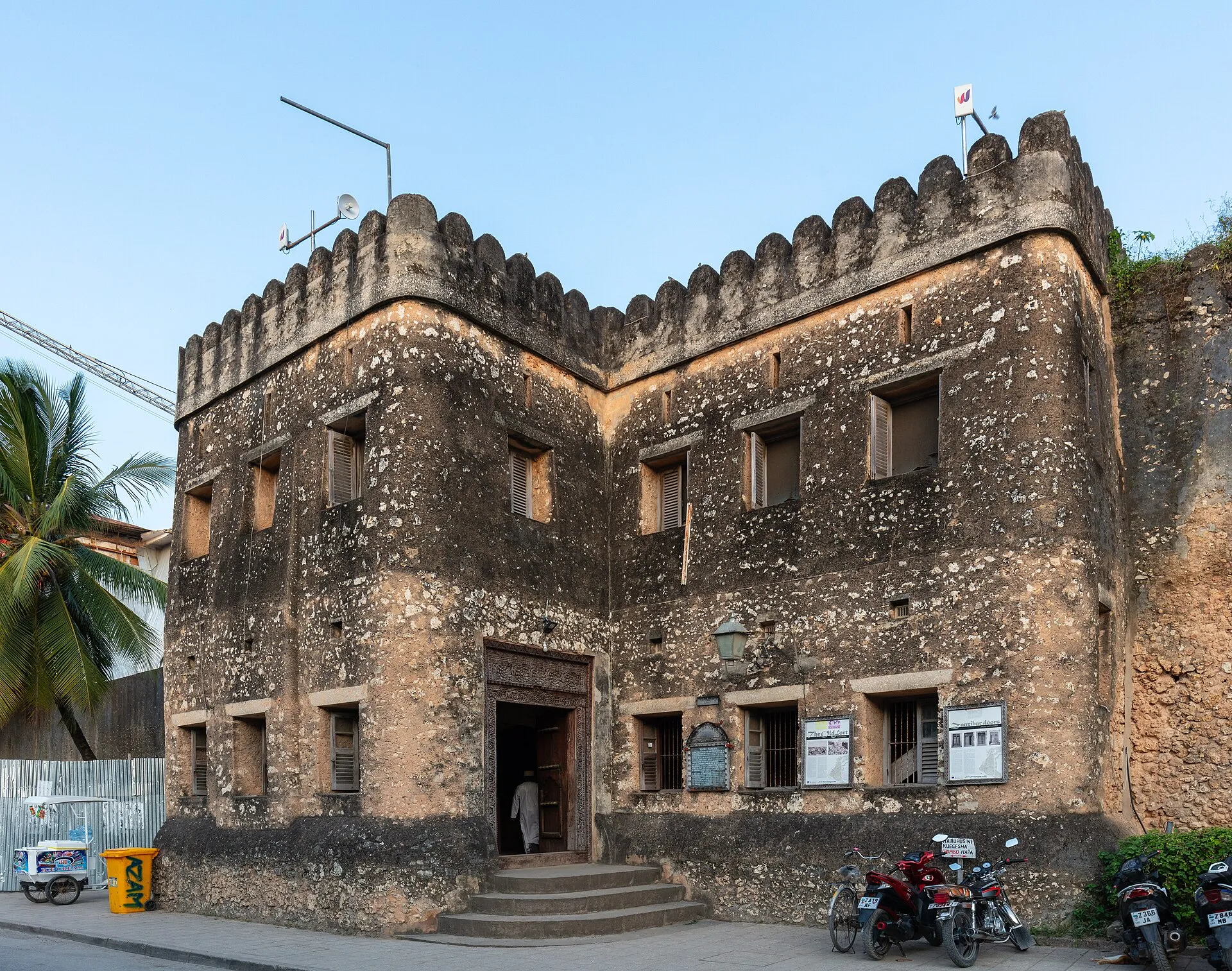
Stone Town deserves at least a full day and preferably a night or two. UNESCO describes the Stone Town of Zanzibar as a Swahili trading town shaped by African, Arab, Indian and European influences over more than a millennium. It is also a living residential and commercial centre, not an open-air film set. Dress respectfully, ask before photographing people and use a qualified guide when exploring histories of trade and enslavement.
Pemba for a slower island
Pemba suits divers, repeat visitors and travellers comfortable with fewer services and longer local transfers. Accommodation choices and transport are more limited than on Unguja, which makes advance coordination important. Do not assume that an international arrival into Zanzibar City connects smoothly with Pemba on the same day.
Mafia for marine priorities
Mafia is strongest when marine life, diving, snorkelling or a quiet coastal stay is the trip’s central purpose. Seasonal wildlife cannot be promised, and marine conditions can cancel activities. Confirm operator licensing, safety equipment, conservation fees and refund terms. Avoid touching coral, chasing animals or supporting boat crews that crowd wildlife.
Kilimanjaro, Mount Meru and Mountain Travel
Mount Kilimanjaro is Africa’s highest mountain, but a summit attempt is not simply a long day hike. The TANAPA Kilimanjaro guide describes multiple gates, several climbing routes and summit programmes commonly lasting five to nine days. Route length influences acclimatisation opportunity, difficulty and cost.

Choose an authorised operator that gives a transparent breakdown of park charges, crew wages, equipment, meals, transfers, emergency procedures and tipping expectations. The cheapest quotation may remove the very elements that protect climbers and porters. Ask how guides monitor altitude illness, what happens if a client descends early and which evacuation expenses are included.
Kilimanjaro is not summit-or-nothing. Forest walks, waterfalls, foothill routes and cultural activities around Moshi and Marangu can suit travellers without the time or fitness for a multi-day climb. Mount Meru offers another serious trek and should not be treated merely as “practice”; it has its own altitude, wildlife and route requirements.
Allow recovery time after a major climb. Travelling immediately into an intense safari schedule or taking a tightly timed international flight creates avoidable pressure. If combining mountain and safari, place at least one flexible night around Moshi or Arusha between them.
Dar es Salaam, the Swahili Coast and Historic Towns
Dar es Salaam is often reduced to an airport, yet it is Tanzania’s largest urban centre and a useful gateway to food, music, markets, islands and the southern coast. Traffic can make airport, ferry and hotel transfers unpredictable, so stay in an area that matches the next departure rather than choosing only by room price.
ADVERTISEMENT

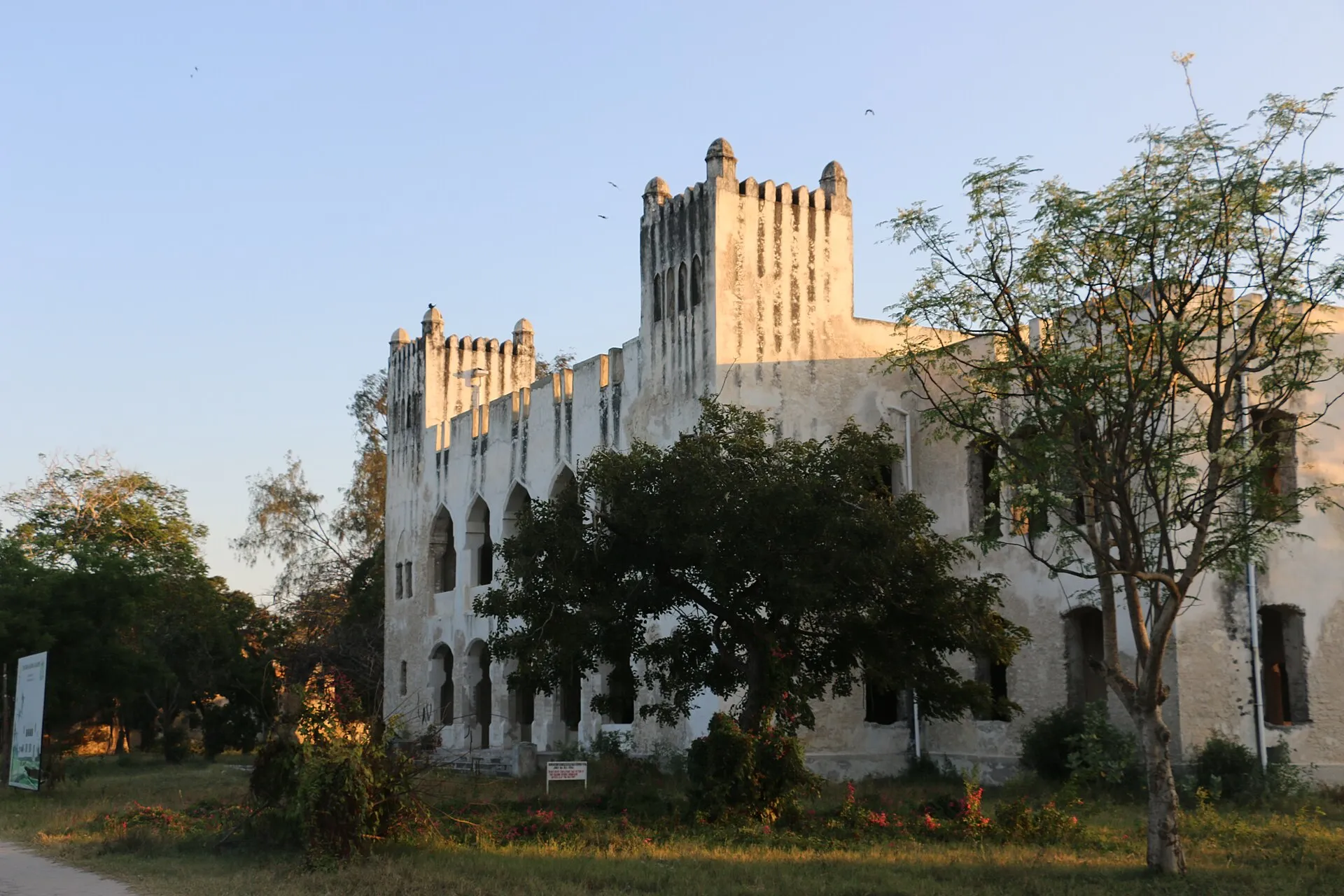
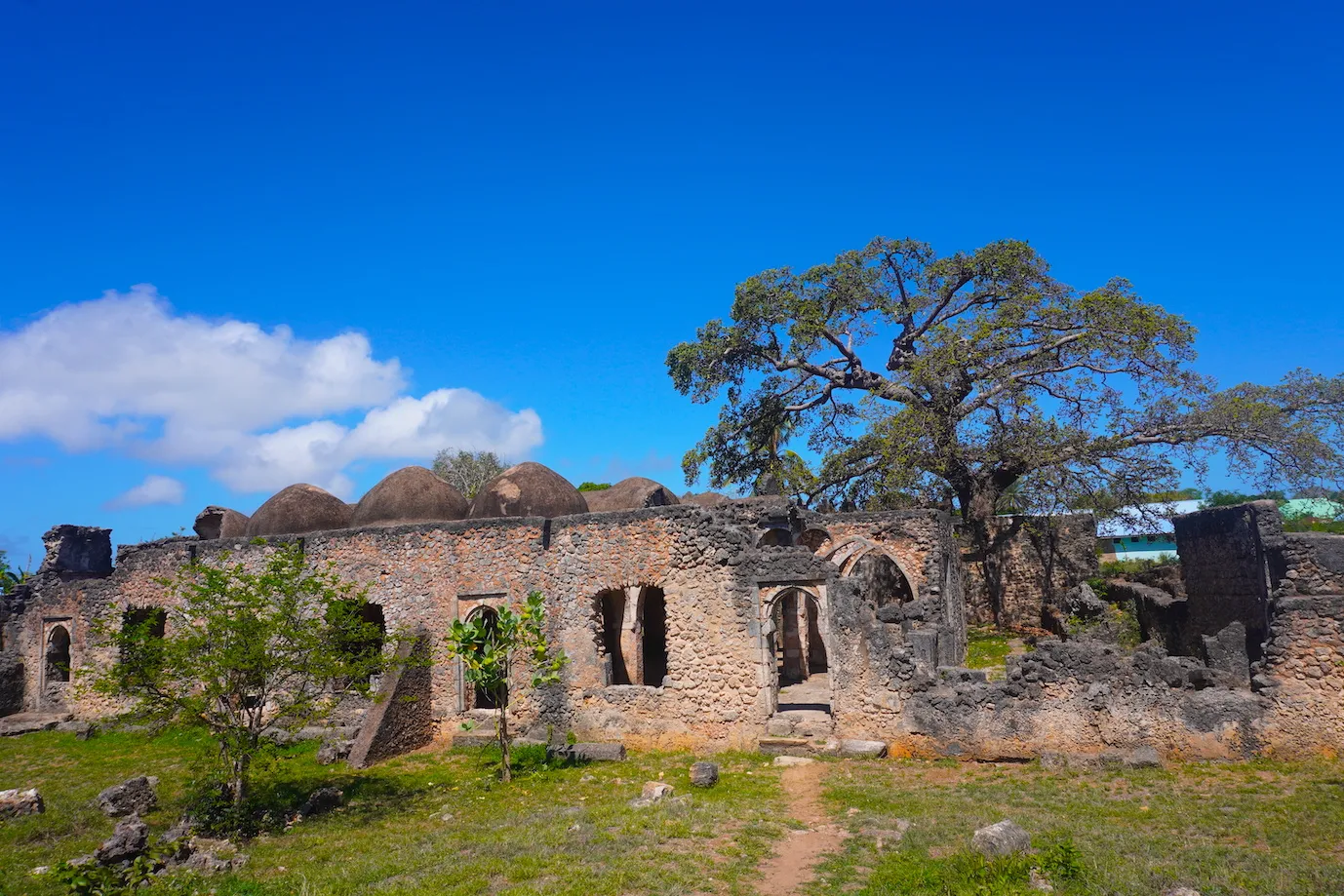
North and south of Dar, coastal Tanzania includes Bagamoyo, Pangani, Tanga and Kilwa, each with different histories and levels of tourism infrastructure. A heritage itinerary should use locally knowledgeable guides and distinguish documented history from colourful stories repeated for visitors. Coastal heritage includes Indian Ocean trade, migration, faith, architecture, colonial rule and the violence of enslavement.
Swahili culture is contemporary. It is present in language, neighbourhood life, clothing, food, religious practice, music and commerce not only in carved doors and old ruins. Public dress should be more modest in towns and villages than at a private resort. During Ramadan and other religious periods, travellers should follow local guidance without assuming that every business closes or every community observes in the same way.
Culture Is Not an Attraction Category
Tanzania contains many peoples, languages and regional identities. Tourism marketing commonly singles out Maasai, Hadza and Chagga communities, but no community exists to complete a visitor’s itinerary. A respectful encounter begins with named hosts, consent and a transparent exchange.
XTRAfrica’s overview of Maasai history and contemporary life is useful preparation for travel in northern Tanzania. It shows why Maasai identity cannot be reduced to red clothing, jumping dance or a roadside village performance.
Before booking a cultural activity, ask:
Who designed and controls the visit?
How is the fee divided?
Are people free to decline participation or photographs?
Does the programme enter homes, schools, ceremonies or sacred places?
Is the host presented as a contemporary professional with individual knowledge?
Paying an entrance fee does not provide unlimited permission to photograph children, homes, livestock or rituals. Do not distribute sweets, money or school materials directly unless a community organisation has requested them. Buying from a named maker, hiring a community guide and staying longer can create a clearer local benefit than a hurried group stop.
When to Visit Tanzania
There is no single best month for every Tanzanian journey. Rainfall differs between the north, central plateau, coast, mountains and southern or western regions. Wildlife follows water and grazing; sea conditions respond to monsoon patterns; mountain weather changes with altitude. The Tanzania Tourism Board’s planning guidance advises travellers to account for long and short rains and check forecasts close to departure.
These periods are planning guides, not guarantees. Climate variability can shift rain and migration patterns. A traveller focused on the Serengeti should choose the park area after checking recent herd reports. A diver should ask about visibility, wind and boat conditions at the exact island and month. A climber should prepare for cold, wind and precipitation in any season.
When demand is highest
Dry-season safari months, festive holidays and well-known migration periods attract strong demand. Small camps and specialised guides can fill long before larger hotels. Book the scarce component first: a migration-area camp, a mountain expedition, a remote western flight or a specific dive programme. Flexible city hotels can follow.
Travelling in a greener or less demanded period may reduce crowding and sometimes cost, but only if the desired camps, roads and activities remain operational. A low price is poor value when it depends on an inaccessible route or closed lodge.
Choose the Trip Length Before Choosing the Stops
An itinerary should be judged by meaningful time in each destination, not by the number of names it contains.
Seven days: one focused region
A seven-day trip works best as a northern safari centred on Tarangire, Ngorongoro and one part of the Serengeti, or as a Zanzibar-and-coast holiday. It can also support a standalone mountain programme, depending on the route. It does not comfortably hold a full safari, Kilimanjaro summit and beach stay.
Ten days: safari plus one clear extension
Ten days can combine a northern safari with three or four nights on Unguja, especially when a domestic flight replaces a long return drive. Another strong choice is Nyerere plus Ruaha, subject to flight and camp schedules. Avoid adding both western Tanzania and Zanzibar simply because domestic flights appear possible.
Fourteen days: depth instead of collection
Two weeks allows a better-paced northern safari and Zanzibar, a fuller southern circuit, or a dedicated western journey with another compatible stop. It also gives a Kilimanjaro climber recovery time before safari or coast.
The most realistic route ends near the departure gateway. A northern safari can finish with a flight from the Serengeti toward Arusha, Dar es Salaam or Zanzibar when schedules align. A southern trip may connect more naturally through Dar es Salaam. Always check the complete transfer: camp departure, airstrip arrival, baggage limit, flight, airport change, ferry check-in and final road transfer.
Practical Planning: Entry, Transport, Money and Costs
Tanzania’s immigration rules depend on nationality and purpose. The current Tanzania Immigration visa guidelines state that travellers should use the official immigration platform, maintain at least six months of passport validity and have an unused visa page. The same document warns that rules can change without notice. Some nationalities are visa-exempt, some can apply online or on arrival, and referral categories require advance approval. Check your own passport rather than copying another traveller’s experience.
One Tanzanian visa can cover both the mainland and Zanzibar when its conditions are met, but Zanzibar has an additional operational requirement: the Zanzibar Insurance Corporation currently directs inbound visitors to obtain mandatory inbound travel insurance. Confirm who must purchase it, the current price, coverage and official application route immediately before travel, even if you already hold separate international insurance.
Flights and domestic connections
The three most useful international gateways are Julius Nyerere International Airport near Dar es Salaam, Kilimanjaro International Airport for the northern circuit and Abeid Amani Karume International Airport on Unguja. Some travellers enter through regional airports or land borders.
Domestic aviation is important because Tanzania is large. Air Tanzania’s destination network connects Dar es Salaam with cities including Kilimanjaro, Arusha, Zanzibar, Mwanza, Kigoma, Mbeya, Iringa and others, while safari airlines serve park airstrips. Routes and frequencies change. Confirm the operating airline, airport, baggage allowance and whether separately booked tickets protect a missed connection.
Roads, drivers and self-driving
Major roads connect cities, but national-park tracks and rural approaches can change quickly after rain. A driver-guide is usually the practical choice for a first safari. If self-driving, verify vehicle permission, insurance, park procedures, route condition, fuel range and emergency support. Do not plan long rural drives after dark.
Ferries
Passenger ferries connect Dar es Salaam and Zanzibar, with services also operating toward Pemba and Tanga. Azam Marine’s official booking site publishes its current routes and booking channels. Buy from the operator or an authorised office, arrive for the stated check-in time and retain identification. Sea conditions, schedules and port procedures should be reconfirmed before travel.
Currency and payment
The national currency is the Tanzanian shilling (TZS). Cards are accepted at many established hotels and operators, while cash remains important for small businesses, markets, tips and remote areas. Ask whether a quote is in TZS or US dollars and which exchange rate applies. Carrying only large foreign notes can create problems with change, condition requirements and conversion.
Understanding safari prices
A Tanzania safari quote can combine accommodation, meals, vehicle and driver-guide, park conservation charges, concession or camping fees, transfers, domestic flights and taxes. Compare inclusions line by line. Ask whether fees are calculated per person, per vehicle, per day or per night and whether the rate applies to citizens, residents, East African visitors or international non-residents.
TRENDING NOW


POPULAR TODAY


ADVERTISEMENT
Park tariffs and taxes can change, so this country pillar does not freeze them into a figure that may become misleading. Request a dated quote and ask how a government fee change after payment would be handled. Budget separately for visas or entry requirements, Zanzibar insurance where applicable, tips, drinks, laundry, optional activities, travel insurance and medical evacuation cover.
Health, Safety and Accessibility
Travel health advice depends on route, medical history, nationality and countries transited. The CDC Tanzania traveller page advises visitors to consult a clinician before travel and provides current information on routine vaccines, malaria, polio, yellow-fever entry conditions and other risks. Do not use this article to select medication. A qualified clinician should assess the actual itinerary, including altitude, rural stays and transit countries.
Malaria risk and prevention advice vary by elevation and destination. Mosquito precautions remain important on the coast and in many safari areas. Safe food and water practices, sun protection and hydration also matter. Kilimanjaro introduces a separate altitude risk that fitness alone cannot prevent.
Safety conditions can change by area. Consult a current government source such as the UK foreign travel advice for Tanzania and compare it with information from local authorities and your operator.
An advisory for a border district should not automatically be applied to the whole country, but it should not be ignored when the route enters that area.
Use registered transport, wear seatbelts, avoid displaying valuables and ask accommodation staff about current local conditions. Wildlife is not tame: remain inside the vehicle unless a guide confirms a designated place, never feed animals and follow park distance rules. On boats, use a life jacket and do not pressure crews to depart in unsafe weather.
Accessibility varies sharply. Major airports and urban hotels may offer assistance, while safari vehicles, tented camps, beaches, boats and mountain trails can present steps, sand, uneven ground and limited bathrooms. Request measurements and practical details rather than accepting “accessible” as a complete answer.
Ask about vehicle boarding height, room-to-dining distance, shower design, backup power, medical refrigeration and evacuation options. Reliable accessibility evidence is still inconsistent across remote destinations.
Responsible Travel Changes the Quality of the Trip
Responsible tourism is not a decorative paragraph after the itinerary. It affects which guide is hired, who is paid, where vehicles drive and how communities experience visitors.
Choose operators that can name their licences, local partners and employment practices. In protected areas, refuse off-road shortcuts where they are prohibited, vehicle crowding and wildlife harassment. Keep voices low at sightings, take all waste out and never collect bones, plants, stones or cultural objects.
Community visits require separate consent for entry, participation, photography and publication. Ask how income is distributed, particularly where a lodge or outside tour company controls access. Cultural dress, song or storytelling shared with visitors should not be treated as proof that a community is unchanged or available for performance at any time.
In Ngorongoro and other conservation landscapes, tourism exists alongside debates about land, livelihoods and rights. Travellers cannot resolve those conflicts during a holiday, but they can refuse people-free wilderness narratives, read credible community and public-interest sources, and ask where their money goes.
At the coast, use reef-safe practices, avoid touching marine life and follow local rules for protected areas. Water and electricity can be constrained on islands; shorter showers and reasonable laundry use have real value. Respect public dress and religious settings without assuming resort behaviour is appropriate in surrounding villages.
Who Will Enjoy Tanzania and Who Should Rethink the Plan?
Tanzania is especially rewarding for travellers who can accept uncertainty. Wildlife moves, rain disrupts roads, cloud covers mountains and sea conditions cancel boats. The country suits people willing to spend several nights in one ecosystem, listen to guides and value landscapes and communities alongside headline sightings.
It can be challenging for travellers who want a low-cost, tightly timed checklist of remote destinations. Park fees, private vehicles and domestic flights make many safaris expensive. Visitors who dislike long drives should consider fly-in options or a smaller route. Those who require highly predictable step-free access need detailed confirmation before choosing remote camps.
The best Tanzania itinerary is not the one with the most icons. It is the one whose region, season, pace and cost match the traveller and whose benefits do not depend on wildlife disturbance or turning residents into scenery.
FAQs
What is the best place to visit in Tanzania for a first-time traveller?
For a first safari, the northern circuit is the easiest country introduction because Arusha, Tarangire, Ngorongoro and the Serengeti form an established route. Travellers more interested in beaches and heritage can begin with Unguja and Stone Town instead.
How many days are enough for Tanzania?
Seven days can cover one focused region. Ten days can combine a northern safari with a short Zanzibar stay. Fourteen days allows a more relaxed safari-and-coast trip, a deeper southern circuit or mountain recovery time. Western Tanzania deserves its own carefully planned journey.
What is the best month to visit Tanzania?
There is no universal best month. June to October often suits drier-season safaris; January and February can suit parts of the Serengeti and coast; wetter periods bring greener landscapes but more access uncertainty. Choose dates according to the exact region and activity.
Can a Tanzania safari guarantee the Great Migration?
No. The herds move in response to rain, water and grazing, and river crossings cannot be scheduled. Select the correct Serengeti region for the travel period and allow several nights rather than planning one high-pressure drive.
Is Zanzibar part of Tanzania?
Yes. Zanzibar is a semi-autonomous part of the United Republic of Tanzania. It has some distinct administrative requirements, including the current inbound insurance system, but visitors travelling between the mainland and Zanzibar do not normally need a second Tanzanian visa when their existing permission remains valid.
Do all tourists need a Tanzanian visa?
No. Eligibility depends on nationality, passport and travel purpose. Some visitors are exempt, some can apply online or on arrival, and referral categories must obtain advance approval. Verify the latest position directly with Tanzania Immigration.
Is Tanzania suitable for travellers with disabilities?
Some airports, hotels and operators provide assistance, but conditions vary widely. Remote camps, safari vehicles, beaches, boats and trails may have substantial barriers. Obtain specific measurements and written confirmation for every essential transfer, room and activity.
Can Kilimanjaro and safari fit into one week?
Not responsibly if the plan includes a summit attempt. The climb itself commonly takes several days and should include appropriate acclimatisation and recovery. Use a longer trip or choose a Kilimanjaro foothill experience instead.
Sources and Further Reading
ADVERTISEMENT
RELATED ARTICLE