Highlife has been declared dead more times than most people can count. But veteran Ghanaian musician Amandzeba Nat Brew is not buying that narrative.
The respected singer and songwriter has pushed back against claims that Ghana’s signature music genre has lost its place in modern culture. According to Channel One TV, Amandzeba argued that UNESCO’s recent recognition of highlife is clear proof that the genre remains relevant and valuable on the global stage.
Speaking on The Upside Down Show with Frema Adunyame, the musician questioned how anyone could label highlife as extinct when it continues to attract international attention and cultural recognition.
For Amandzeba, the issue is not whether highlife still matters. The real problem, he says, is how music is being marketed and consumed today.
He described the current music landscape as one driven by short-term trends, where songs rise quickly, dominate conversations briefly, and disappear just as fast. In his view, this fast-moving cycle has made it harder for music with lasting cultural value to receive the attention it deserves.
Still, the veteran artist believes musicians should not carry the blame alone.
Amandzeba pointed to media outlets, advertisers, and content creators as key players in shaping public taste. He expressed concern about the heavy use of foreign music in local productions and advertising campaigns, arguing that it often sidelines Ghanaian sounds and weakens support for homegrown creative industries.
Beyond cultural concerns, he also warned that relying too heavily on international music can create legal and financial risks through copyright issues.
His comments arrive at a time when conversations around preserving African musical heritage are becoming increasingly important. As Afrobeats, Amapiano, and other contemporary African genres continue to dominate global playlists, questions remain about how traditional genres like highlife can maintain visibility for new generations.
Amandzeba’s message was straightforward: highlife is far from dead. If Ghana wants to protect one of its most important cultural exports, he says stakeholders must invest more in local music, celebrate indigenous creativity, and ensure that highlife remains part of the country's cultural future—not just its past.
ENTERTAINMENT
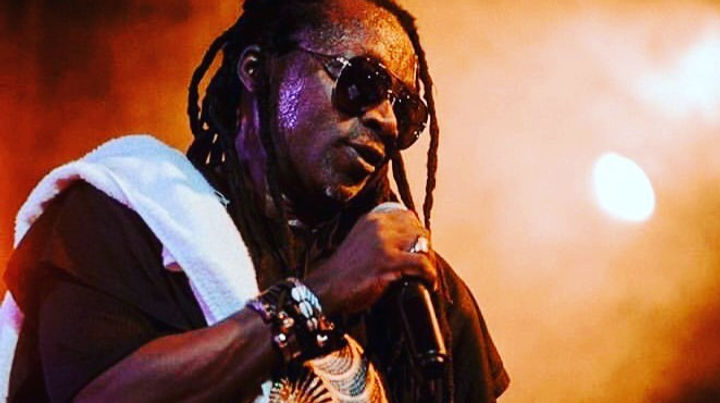
Amandzeba Says UNESCO Recognition Proves Highlife Lives On

Jun 3, 2026
Jun 3, 2026
3 min read
Published
Updated:
Highlife has been declared dead more times than most people can count. But veteran Ghanaian musician Amandzeba Nat Brew is not buying that narrative.
The respected singer and songwriter has pushed back against claims that Ghana’s signature music genre has lost its place in modern culture. According to Channel One TV, Amandzeba argued that UNESCO’s recent recognition of highlife is clear proof that the genre remains relevant and valuable on the global stage.
Speaking on The Upside Down Show with Frema Adunyame, the musician questioned how anyone could label highlife as extinct when it continues to attract international attention and cultural recognition.
ADVERTISEMENT
For Amandzeba, the issue is not whether highlife still matters. The real problem, he says, is how music is being marketed and consumed today.
He described the current music landscape as one driven by short-term trends, where songs rise quickly, dominate conversations briefly, and disappear just as fast. In his view, this fast-moving cycle has made it harder for music with lasting cultural value to receive the attention it deserves.
Still, the veteran artist believes musicians should not carry the blame alone.
ADVERTISEMENT
Amandzeba pointed to media outlets, advertisers, and content creators as key players in shaping public taste. He expressed concern about the heavy use of foreign music in local productions and advertising campaigns, arguing that it often sidelines Ghanaian sounds and weakens support for homegrown creative industries.
Beyond cultural concerns, he also warned that relying too heavily on international music can create legal and financial risks through copyright issues.
His comments arrive at a time when conversations around preserving African musical heritage are becoming increasingly important. As Afrobeats, Amapiano, and other contemporary African genres continue to dominate global playlists, questions remain about how traditional genres like highlife can maintain visibility for new generations.


POPULAR TODAY


ADVERTISEMENT
Amandzeba’s message was straightforward: highlife is far from dead. If Ghana wants to protect one of its most important cultural exports, he says stakeholders must invest more in local music, celebrate indigenous creativity, and ensure that highlife remains part of the country's cultural future—not just its past.
The respected singer and songwriter has pushed back against claims that Ghana’s signature music genre has lost its place in modern culture. According to Channel One TV, Amandzeba argued that UNESCO’s recent recognition of highlife is clear proof that the genre remains relevant and valuable on the global stage.
ADVERTISEMENT
RELATED ARTICLE