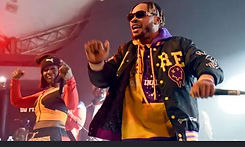
Rudeboy has made his position clear in the debate over the value of Nigeria’s indigenous languages: his culture is not something he is willing to separate from his success.
According to The Sun Nigeria, the singer, whose real name is Paul Okoye, shared a video of himself singing in his native Igbo language while playing the guitar. He described himself as “a nobody” without Nigerian culture, native language and national pride.
The post arrived after his twin brother, Peter Okoye, popularly known as Mr P, faced criticism online over comments about language and opportunity. Peter had praised his children’s ability to speak French while questioning the economic value of learning Nigerian languages.
Rudeboy’s response did not directly mention his brother by name. However, its timing and message led many social media users to interpret it as a public disagreement with Mr P’s position.
The singer strongly identified himself as both Nigerian and Igbo, presenting language as more than a communication tool. For Rudeboy, it remains part of the identity, sound and cultural foundation that shaped his music career.
He accompanied the statement with his Igbo-influenced song “Nkenji Keke,” reinforcing his argument through the music itself.
The exchange has reopened a wider conversation in Nigeria about whether parents should prioritise international languages for economic opportunities or also ensure that children remain connected to their ancestral languages.
For many Nigerian musicians, local languages have never been a barrier to global success. Igbo, Yoruba, Hausa, Pidgin and other African languages have helped give Afrobeats and African pop their distinctive character.
Rudeboy’s message ultimately goes beyond the long-running tension between the Okoye brothers. It is a reminder that international ambition and cultural pride do not have to compete—and that the language heard at home can still have a place on the global stage.
ENTERTAINMENT
Rudeboy Defends Igbo Culture After Mr P’s Language Remark

Jul 29, 2026
Jul 29, 2026
2 min read
Published
Updated:
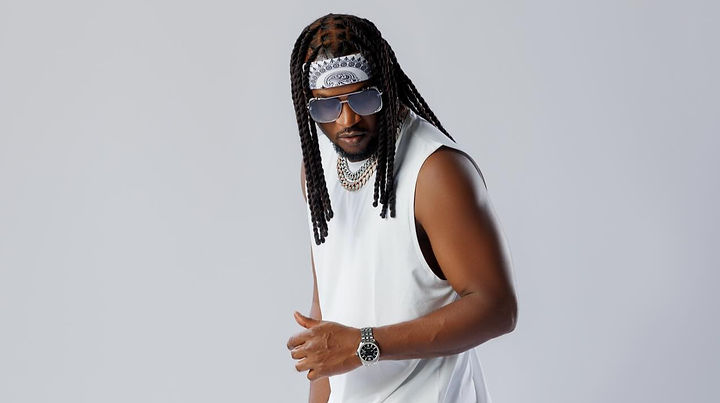
Rudeboy has made his position clear in the debate over the value of Nigeria’s indigenous languages: his culture is not something he is willing to separate from his success.
According to The Sun Nigeria, the singer, whose real name is Paul Okoye, shared a video of himself singing in his native Igbo language while playing the guitar. He described himself as “a nobody” without Nigerian culture, native language and national pride.
The post arrived after his twin brother, Peter Okoye, popularly known as Mr P, faced criticism online over comments about language and opportunity. Peter had praised his children’s ability to speak French while questioning the economic value of learning Nigerian languages.
ADVERTISEMENT
Rudeboy’s response did not directly mention his brother by name. However, its timing and message led many social media users to interpret it as a public disagreement with Mr P’s position.
The singer strongly identified himself as both Nigerian and Igbo, presenting language as more than a communication tool. For Rudeboy, it remains part of the identity, sound and cultural foundation that shaped his music career.
ADVERTISEMENT
He accompanied the statement with his Igbo-influenced song “Nkenji Keke,” reinforcing his argument through the music itself.
The exchange has reopened a wider conversation in Nigeria about whether parents should prioritise international languages for economic opportunities or also ensure that children remain connected to their ancestral languages.
For many Nigerian musicians, local languages have never been a barrier to global success. Igbo, Yoruba, Hausa, Pidgin and other African languages have helped give Afrobeats and African pop their distinctive character.
TRENDING NOW


POPULAR TODAY


ADVERTISEMENT
Rudeboy’s message ultimately goes beyond the long-running tension between the Okoye brothers. It is a reminder that international ambition and cultural pride do not have to compete—and that the language heard at home can still have a place on the global stage.
ADVERTISEMENT
RELATED ARTICLE