Burna Boy is the Nigerian singer and songwriter who turned a distinctly African musical language into a stadium-scale global career. Born Damini Ebunoluwa Ogulu in Port Harcourt, he blends Afrobeat, dancehall, reggae, hip-hop, R&B and Nigerian pop in the style he calls Afro-fusion.
His rise was neither an overnight viral accident nor a retreat from his roots: it grew through years of Nigerian hits, increasingly ambitious albums and commanding live performances. By July 2026, Burna Boy was 35, a Grammy winner with 13 career nominations, and one of the African artists most visibly expanding the commercial reach of the continent’s music.
Who is Burna Boy? Burna Boy is a Nigerian Afro-fusion singer born in Port Harcourt as Damini Ebunoluwa Ogulu. Known for songs such as “Ye” and “Last Last,” he won a Grammy for Twice as Tall and has helped carry contemporary African music into major global charts and stadiums.
Early Life and Musical Roots
Burna Boy was born Damini Ebunoluwa Ogulu on July 2, 1991, in Port Harcourt, Rivers State, Nigeria. His birth details and hometown are recorded by Apple Music’s current artist biography, while a 2018 Vogue profile also confirms his full name and Port Harcourt origin. He turned 35 on July 2, 2026.
Music, language and performance were already present in the family. His mother, Bose Ogulu, worked as a translator before becoming the manager most closely associated with his international career.
His father is Samuel Ogulu, whom Burna Boy’s sister Nissi described in a Vogue family profile as a calm, resilient influence. His maternal grandfather, the respected broadcaster and critic Benson Idonije, once managed Fela Kuti. That connection did not make Burna Boy a copy of Fela, but it placed African music history close to home.
As a child, Burna Boy absorbed rap, reggae, dancehall and R&B in different phases. He later moved to London for university before returning to Nigeria. His early recordings developed alongside producer Leriq, and the pair helped shape the textured sound heard on his first studio album, L.I.F.E, released in 2013. That album’s lead single, “Like to Party,” gave him a recognisable national breakthrough.
Breakthrough and Rise to Fame
AFRICAN CULTURE
Burna Boy Biography: Age, Parents, Songs and Grammy Success

Jul 19, 2026
Jul 19, 2026
12 min read
Published
Updated:
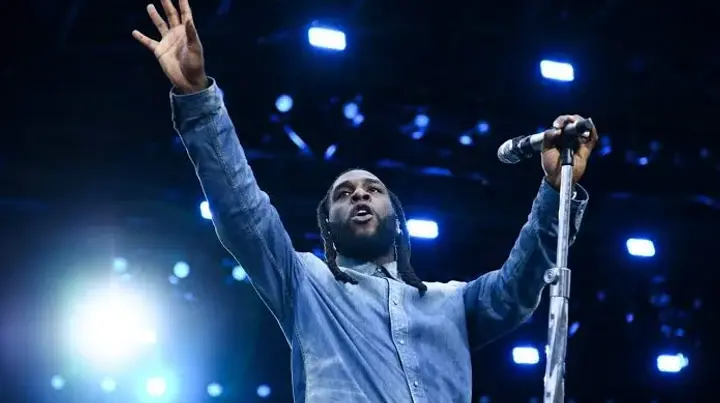
Burna Boy is the Nigerian singer and songwriter who turned a distinctly African musical language into a stadium-scale global career. Born Damini Ebunoluwa Ogulu in Port Harcourt, he blends Afrobeat, dancehall, reggae, hip-hop, R&B and Nigerian pop in the style he calls Afro-fusion.
His rise was neither an overnight viral accident nor a retreat from his roots: it grew through years of Nigerian hits, increasingly ambitious albums and commanding live performances. By July 2026, Burna Boy was 35, a Grammy winner with 13 career nominations, and one of the African artists most visibly expanding the commercial reach of the continent’s music.
Who is Burna Boy? Burna Boy is a Nigerian Afro-fusion singer born in Port Harcourt as Damini Ebunoluwa Ogulu. Known for songs such as “Ye” and “Last Last,” he won a Grammy for Twice as Tall and has helped carry contemporary African music into major global charts and stadiums.
Early Life and Musical Roots
Burna Boy was born Damini Ebunoluwa Ogulu on July 2, 1991, in Port Harcourt, Rivers State, Nigeria. His birth details and hometown are recorded by Apple Music’s current artist biography, while a 2018 Vogue profile also confirms his full name and Port Harcourt origin. He turned 35 on July 2, 2026.
Music, language and performance were already present in the family. His mother, Bose Ogulu, worked as a translator before becoming the manager most closely associated with his international career.
His father is Samuel Ogulu, whom Burna Boy’s sister Nissi described in a Vogue family profile as a calm, resilient influence. His maternal grandfather, the respected broadcaster and critic Benson Idonije, once managed Fela Kuti. That connection did not make Burna Boy a copy of Fela, but it placed African music history close to home.
As a child, Burna Boy absorbed rap, reggae, dancehall and R&B in different phases. He later moved to London for university before returning to Nigeria. His early recordings developed alongside producer Leriq, and the pair helped shape the textured sound heard on his first studio album, L.I.F.E, released in 2013. That album’s lead single, “Like to Party,” gave him a recognisable national breakthrough.
Breakthrough and Rise to Fame
Burna Boy’s early success in Nigeria was followed by a period of steady experimentation. On a Spaceship arrived in 2015, but the decisive international turn came with Outside in 2018. “Ye” became the song that introduced many listeners outside Africa to his smoky baritone, rhythmic flexibility and refusal to fit neatly into one genre. In Vogue’s account of his creative approach, he described moving through rap, reggae, dancehall and R&B phases before naming the resulting blend “Afrofusion.”
The 2019 album African Giant transformed that momentum into a coherent global statement. It mixed celebration, romance and political criticism while keeping Nigeria and the wider African diaspora at its centre. Songs including “Anybody,” “On the Low,” “Dangote” and “Collateral Damage” showed that dance-floor energy and social commentary could occupy the same album. His first Grammy nomination followed.
ADVERTISEMENT
Burna Boy rejected the idea that global success required him to dilute his identity. Speaking to Vanity Fair during the African Giant era, he explained: “I’ve never really been trying to cross over to anything.” The world, in effect, was being invited into his sound rather than receiving a repackaged version of it.
Achievements and Afro-Fusion Innovation
Burna Boy’s strongest artistic contribution is the scale and confidence with which he presents Afro-fusion. His music can draw from Fela’s Afrobeat legacy, Nigerian pop, Jamaican dancehall, American rap and R&B without allowing any one influence to erase the others. A Recording Academy interview about African Giant highlighted both that range and his collaborations with Angélique Kidjo and Damian Marley.
His major verified achievements include:
Winning Best Global Music Album at the 2021 Grammys for Twice as Tall, his first Grammy victory.
Earning 13 career Grammy nominations by the 2026 ceremony, according to his official Recording Academy record.
Winning BET’s Best International Act in 2019, 2021 and 2023; BET confirmed the 2023 victory.
Reaching No. 4 on the UK Official Singles Chart with “Last Last,” which spent 21 weeks in the Top 40, according to Official Charts.
Becoming the first African artist to sell out a United States stadium in 2023 and the first Afrobeats artist to perform at the Grammys in 2024, milestones recognised by TIME.
Expanding African touring power, including the international concert growth covered in XTRAfrica’s report on his status as Africa’s highest-grossing concert artist.
Nigerian Heritage, Identity and Vision
Burna Boy consistently presents himself as Nigerian, African and shaped by Port Harcourt. His work uses English, Nigerian Pidgin and other Nigerian linguistic and musical references, while his visual identity frequently draws on African history and self-determination. This biography does not assign him a narrower ethnic label because a reliable, direct self-description was not found during verification.
His ambition has often been larger than personal celebrity. In a 2020 GQ profile, he described African unity as the goal behind his work. “The reason for everything I do,” he said, is “the eventual unity of Africa.” The statement helps explain why African Giant carries political memory alongside entertainment and why his success is frequently framed as part of a broader African cultural movement.
That influence was recognised when Angélique Kidjo wrote his entry for TIME’s 2024 list of influential people. TIME credited his originality and historic stadium achievements, while XTRAfrica documented how his TIME100 recognition represented African creative influence.
Personal Life, Family and Growth
Burna Boy’s most important publicly documented personal partnership is also professional: Bose Ogulu has helped guide his career as manager. GQ reported that he trusted her to protect his long-term interests, while she focused on building longevity rather than chasing a brief wave of attention. His sisters have also worked creatively; Ronami Ogulu is closely associated with his styling and creative direction, while Nissi Ogulu is an artist and engineer.
ADVERTISEMENT
His music has gradually allowed more vulnerability into the public image. Love, Damini examined adulthood, relationships and reflection, with Burna Boy telling Apple Music about the album that turning 30 pushed him to consider his choices, ambitions and fears. No Sign of Weakness developed resilience as both an album theme and a performance stance. These are stronger guides to his personal journey than gossip about his relationships.
Reliable public evidence does not establish a current spouse or publicly confirmed children. Rather than treating speculation as biography, it is more accurate to say that he keeps important parts of his private life outside verified public reporting.
Key Events in Burna Boy’s Journey
Year | Event | Significance |
2012–2013 | “Like to Party” breaks through before the release of L.I.F.E | Establishes Burna Boy as a distinctive new voice in Nigerian music. |
2018 | Outside and “Ye” widen his audience | Turns an established African career into growing international recognition. |
2019 | African Giant earns his first Grammy nomination | Defines his Afro-fusion vision and places African political and cultural themes at the centre of a global album. |
2021 | Twice as Tall wins Best Global Music Album | Gives Burna Boy his first Grammy and confirms his standing beyond a single breakthrough era. |
2022 | “Last Last” becomes a major international hit | Reaches No. 4 in the UK and becomes one of the clearest examples of his crossover reach. |
2023–2024 | Stadium firsts and a historic Grammy performance | Demonstrates that an African headliner can command major Western venues and broadcasts. |
2025 | No Sign of Weakness expands his sound | The 16-track eighth album brings Afrofusion into conversation with country, rock, soul and Brazilian funk. |
2026 | “Dai Dai” and new chart milestones | Extends his visibility through the FIFA World Cup and a record run of Billboard Hot 100 entries. |
Legacy and Global Impact
Burna Boy’s career is still active, so his legacy should not be treated as finished. His clearest impact is already visible in the size of the stages, markets and cultural conversations now open to African artists. Angélique Kidjo’s TIME100 tribute described him as an example for a younger generation.
He proved that Nigerian languages, rhythms and viewpoints can remain central in globally successful pop.
He helped make the African arena and stadium headliner a commercial reality, not merely a symbolic ambition.
His albums widened popular understanding of Afro-fusion as a flexible, diasporic approach rather than a rigid category.
He has connected African pride with mainstream collaborations while keeping his Nigerian identity visible.
His 2026 run included XTRAfrica-reported milestones in Spotify monthly listeners and Billboard Hot 100 appearances, although streaming totals remain time-sensitive.
Looking Ahead
In 2025, Burna Boy released his eighth studio album, No Sign of Weakness. Warner Music’s release announcement confirms its 16 tracks and collaborations with Mick Jagger, Shaboozey, Stromae and Travis Scott. The project continued his habit of stretching Afro-fusion toward new sounds without abandoning its African centre.
His 2026 activity kept that expansion visible. “For Everybody” connected music, sport and African identity; Burna Boy called it “for everyone carrying our sound, our spirit and our story around the world” in Billboard Africa’s report.
He also joined Shakira on “Dai Dai,” which FIFA confirmed as the official 2026 World Cup song. XTRAfrica’s earlier coverage followed the World Cup collaboration from its announcement. The next chapter will depend on how he converts those huge global moments into another lasting creative phase.
Burna Boy FAQs
What is Burna Boy’s real name?
His full name is Damini Ebunoluwa Ogulu. Burna Boy is his professional stage name.
How old is Burna Boy?
Burna Boy is 35 years old as of July 19, 2026. He was born on July 2, 1991.
Trending Now


Popular Today


ADVERTISEMENT
Where was Burna Boy born?
He was born in Port Harcourt, Rivers State, Nigeria. The city remains an important reference point in his music and public identity.
Who are Burna Boy’s parents?
His mother is Bose Ogulu, a former translator who became his manager. His father is Samuel Ogulu. His maternal grandfather, Benson Idonije, was a broadcaster and music critic who once managed Fela Kuti.
What is Burna Boy’s ethnicity?
Burna Boy is Nigerian and publicly identifies strongly with Port Harcourt, Nigeria and Africa. This article does not assign a narrower ethnic label because a dependable direct self-description was not verified.
How tall is Burna Boy?
No reliable direct or institutional source for Burna Boy’s height was found. Figures repeated by celebrity databases should not be presented as verified measurements.
Which song made Burna Boy famous?
“Like to Party” established him in Nigeria, while “Ye” drove his wider international breakthrough. “Last Last” later became one of his biggest global chart hits.
How many Grammy Awards has Burna Boy won?
He has won one Grammy Award. Twice as Tall received Best Global Music Album at the 2021 ceremony. By the 2026 Grammys, he had accumulated 13 career nominations.
What are Burna Boy’s most important albums?
His key studio albums include L.I.F.E, Outside, African Giant, Twice as Tall, Love, Damini, I Told Them… and No Sign of Weakness. Each marks a different stage in his movement from Nigerian stardom to global headliner.
Is Burna Boy married or does he have children?
No current marriage or children were confirmed through strong public sources consulted for this biography. Claims about his private relationships should not be treated as established fact without direct confirmation.
ADVERTISEMENT
Related Articles


