For a Maasai young man, marriage has historically connected two families, livestock, age-set status, adult responsibility and the creation of a household. It does not follow one identical script across Maasailand.
The word “boy” is sometimes used casually when people ask this question, but marriage should concern consenting adults. Today, a Maasai man may meet his own partner at school, work, church, in town or through family networks. Some couples retain bridewealth and elder blessings; others combine customary, Christian, civil or Muslim forms.
How does a Maasai young man get a wife? Traditionally, he becomes socially ready for marriage, identifies or is introduced to an eligible adult woman, gains her freely given agreement, involves both families, negotiates bridewealth, and completes customary or religious wedding rites. The sequence varies across Kenya, Tanzania, Maasai sections, religions and individual couples.
Who Are the Maasai?
The Maasai are Indigenous East Africans whose homeland crosses southern Kenya and northern Tanzania. Maa language, cattle keeping, kinship, age sets and public ceremonies have historically shaped community life.
Maasai people today are also farmers, students, clergy, activists, business owners and urban professionals. XTRAfrica’s broader guide to Maasai history, culture and modern life explains why one village cannot represent them all.
First, He Must Become Ready for Marriage
Historically, a male did not move directly from childhood into marriage. He entered an age set with other young men, passed through moran or warriorhood and later became a junior elder. Marriage was normally associated with that movement toward elderhood.
UNESCO’s record of Enkipaata, Eunoto and Olng’esherr describes interrelated Kenyan Maasai rites through which young males receive instruction, become morans, take on adult responsibilities and eventually enter eldership. The education includes mentorship, livestock knowledge, family relationships and conflict resolution. XTRAfrica’s article on Maasai initiation, law and reform adds modern context.
Ernestina Coast’s comparative study of Maasai men in Kenya and Tanzania found that marriage was historically an elder’s privilege, although the boundary was already weakening in some Kenyan communities during her 1997–1998 research. She observed weddings involving moran grooms. Her wider point is more important than a rigid age: a prospective husband was expected to be capable of establishing and supporting a household (Coast, 2004, pp. 4–5).
AFRICAN CULTURE
How a Maasai Young Man Gets a Wife: Marriage Explained

Jul 27, 2026
Jul 28, 2026
14 min read

Published
Updated:
For a Maasai young man, marriage has historically connected two families, livestock, age-set status, adult responsibility and the creation of a household. It does not follow one identical script across Maasailand.
The word “boy” is sometimes used casually when people ask this question, but marriage should concern consenting adults. Today, a Maasai man may meet his own partner at school, work, church, in town or through family networks. Some couples retain bridewealth and elder blessings; others combine customary, Christian, civil or Muslim forms.
How does a Maasai young man get a wife? Traditionally, he becomes socially ready for marriage, identifies or is introduced to an eligible adult woman, gains her freely given agreement, involves both families, negotiates bridewealth, and completes customary or religious wedding rites. The sequence varies across Kenya, Tanzania, Maasai sections, religions and individual couples.
Who Are the Maasai?
The Maasai are Indigenous East Africans whose homeland crosses southern Kenya and northern Tanzania. Maa language, cattle keeping, kinship, age sets and public ceremonies have historically shaped community life.

Maasai people today are also farmers, students, clergy, activists, business owners and urban professionals. XTRAfrica’s broader guide to Maasai history, culture and modern life explains why one village cannot represent them all.
First, He Must Become Ready for Marriage
Historically, a male did not move directly from childhood into marriage. He entered an age set with other young men, passed through moran or warriorhood and later became a junior elder. Marriage was normally associated with that movement toward elderhood.
UNESCO’s record of Enkipaata, Eunoto and Olng’esherr describes interrelated Kenyan Maasai rites through which young males receive instruction, become morans, take on adult responsibilities and eventually enter eldership. The education includes mentorship, livestock knowledge, family relationships and conflict resolution. XTRAfrica’s article on Maasai initiation, law and reform adds modern context.
Ernestina Coast’s comparative study of Maasai men in Kenya and Tanzania found that marriage was historically an elder’s privilege, although the boundary was already weakening in some Kenyan communities during her 1997–1998 research. She observed weddings involving moran grooms. Her wider point is more important than a rigid age: a prospective husband was expected to be capable of establishing and supporting a household (Coast, 2004, pp. 4–5).

In a livestock-centred household, readiness could be judged through access to cattle. Today it can also mean income, housing, education, employment or help from relatives. Wealth does not “earn” a woman; readiness shows capacity to share marital responsibilities.
Step 1: A Possible Partner Is Identified
Older ethnographies often describe parents arranging a son’s match, sometimes before the pair knew each other well. This did not erase individual feelings. Coast documented a Kenyan man whose parents had selected two prospective brides, but he refused and married a Maasai woman he had chosen after both completed secondary education (Coast, 2004, pp. 24–25).

That case captures a continuing negotiation between family authority and personal choice. A young man may be introduced through relatives, meet a woman independently, or turn a friendship into marriage discussions. Historical sources record beadwork as a courtship gift, but it is not a universal proposal code. XTRAfrica’s study of Maasai beadwork and modern craft shows why context matters.
ADVERTISEMENT
The woman is not a prize waiting at the end of a male initiation journey. Her agreement is the moral centre of any legitimate marriage. Affection may begin the relationship, but marriage also brings two extended families into a long-term connection.
Step 2: Families Examine the Match
Once a relationship becomes serious, relatives may consider whether the match fits kinship and generational expectations. Coast recorded a strict rule in her study sites: a husband should not belong to the same age set as the woman’s father. She also noted marriages between Maasai and neighbouring peoples, although her survey analysed Maasai-to-Maasai unions (Coast, 2004, p. 5).

These checks are not identical everywhere. Families may ask about kinship, character, existing obligations, religion, livelihood and where the couple will live. They may consult elders or relatives who know the prospective in-laws.
The purpose is larger than approving two individuals. Marriage can create obligations of hospitality, assistance and dispute resolution between households. Relatives therefore want confidence that the connection will be durable. In modern couples, these conversations may look like ordinary family introductions rather than a formal council.
Step 3: The Groom’s Family Makes a Formal Approach
After the couple and their families are ready, representatives of the man’s family approach the woman’s family. Depending on locality and religion, the delegation may include parents, uncles, respected elders, women relatives or church leaders. They state the intention to marry and begin discussing the conditions and timing.


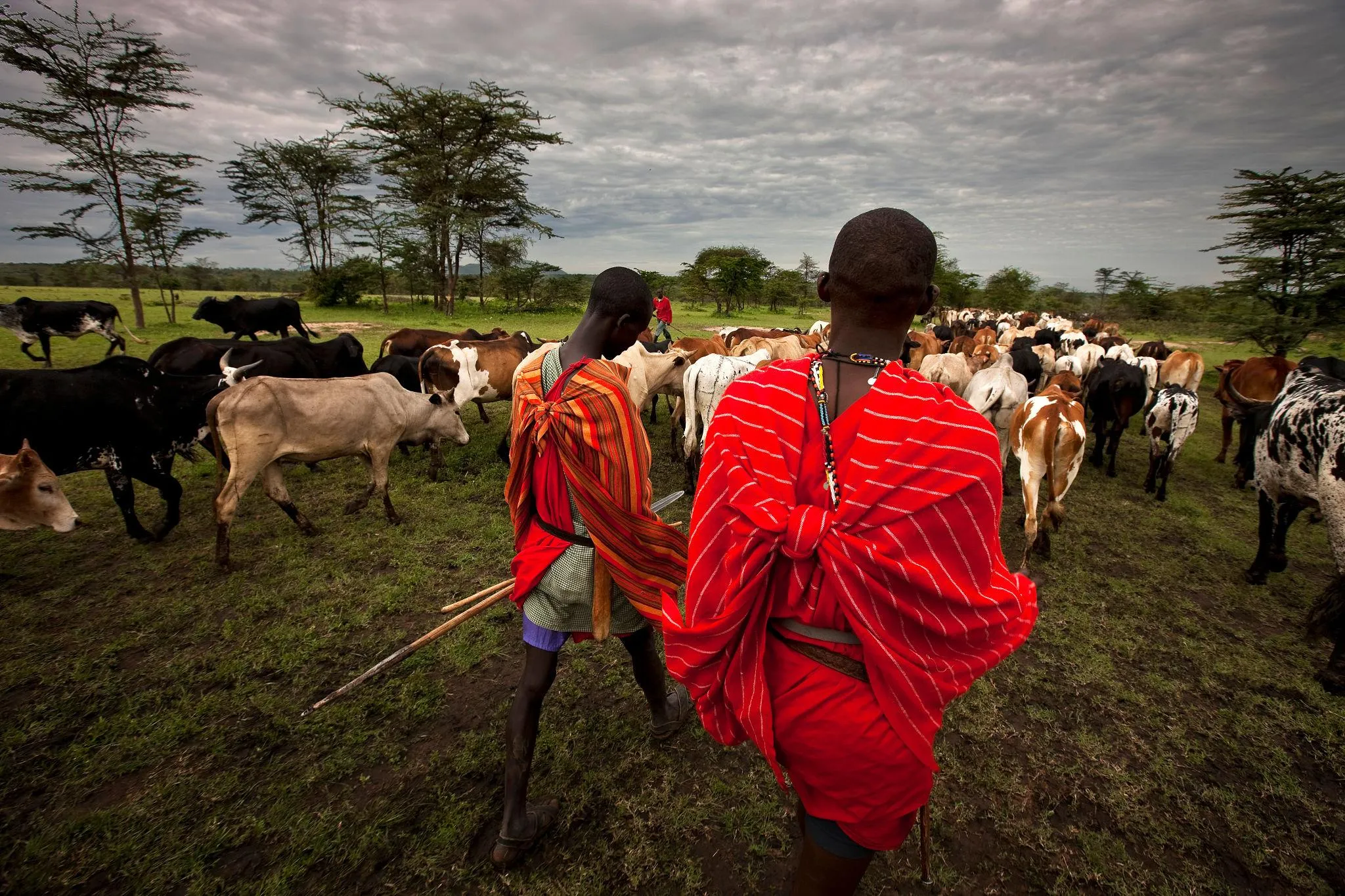
This stage is sometimes described inaccurately as the man “asking the father for a girl.” A better description is a family-to-family negotiation that must include the adult woman’s own decision. Families can bless and support a union; they cannot supply her consent.
The exact gifts and order of visits vary. Honey, livestock, milk or other goods appear in documented accounts, but there is no universal list. Families in Kajiado, Narok, Loita, Longido or Ngorongoro may follow different sequences, further shaped by religious or civil requirements.
Step 4: Bridewealth Is Negotiated
Bridewealth is traditionally transferred from the groom’s side to the bride’s family, commonly through livestock and sometimes other agreed contributions. It should not be presented as buying a wife. The transfer publicly acknowledges a marriage, connects the families and distributes valuable property through the new relationship.
Cattle gathered inside a Maasai homestead in Arusha, Tanzania. Livestock may form part of bridewealth negotiations, helping formalise ties between the two families rather than representing the purchase of a bride.
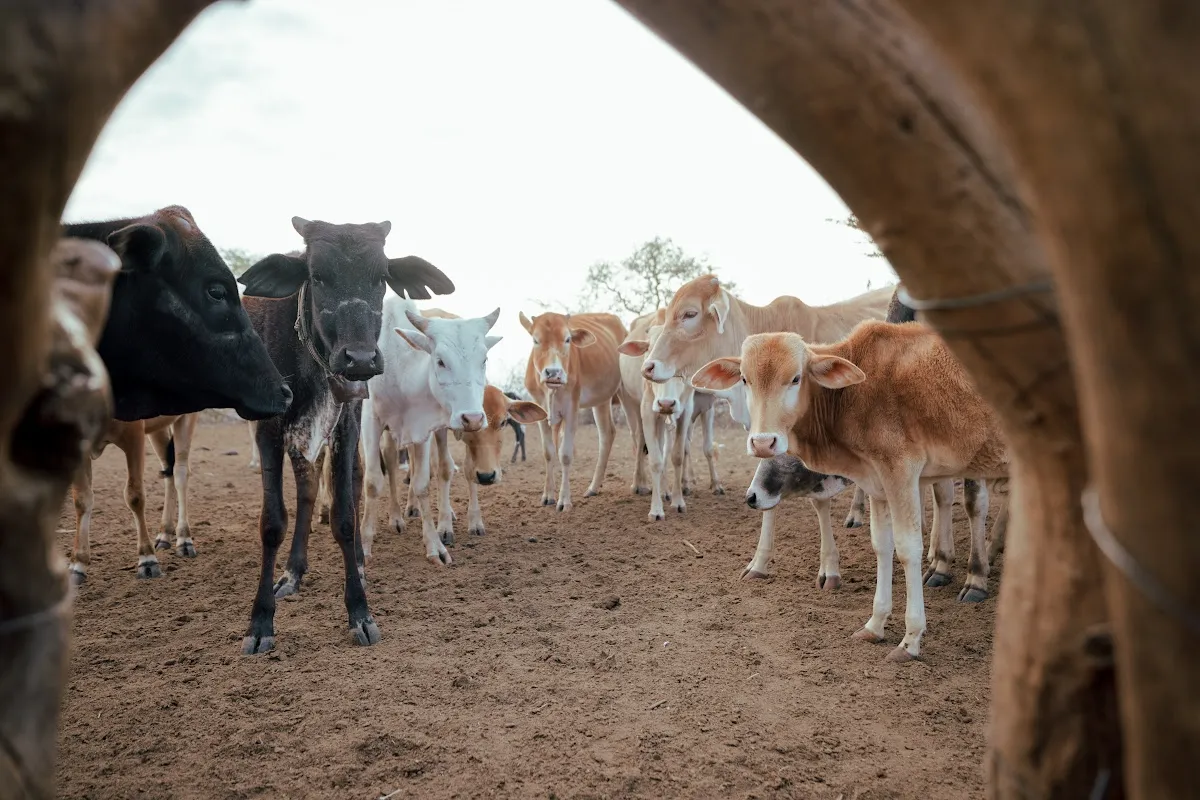


Coast found that bridewealth could strengthen a man’s network with his in-laws, while the livestock needed for marriage was one reason economic readiness mattered (Coast, 2004, pp. 5, 10).
The number and type of animals are not fixed across Maasai communities or periods. Wealth, local practice, family agreement and the condition of herds all matter. Cash, school expenses or other goods may now accompany or replace some livestock.
ADVERTISEMENT
Negotiation should establish obligations without reducing the woman to a price. If demands become impossible, marriage may be delayed or payments staged. The recognised relationship and reciprocal responsibility may matter more than one completed transaction.
Step 5: The Wedding Makes the Union Public
When agreement is complete, a wedding publicly changes the couple’s status. A Wake Forest University anthropology museum account records milk-and-grass blessings, shared honey beer, adornment and a journey toward the groom’s family home. These details illuminate one documented ceremonial pattern, not a checklist followed across Kenya and Tanzania.


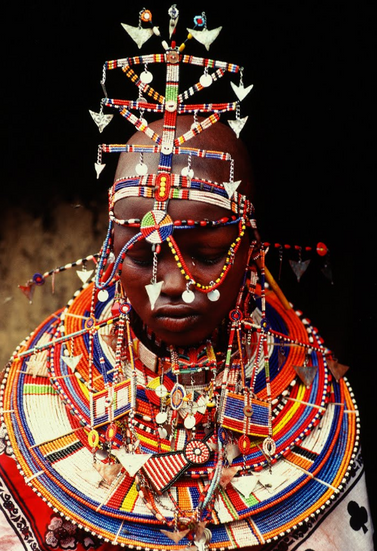


Women’s work is central to preparation. Female relatives may prepare the bride, assemble clothing, cook, sing and welcome her. The groom’s relatives arrange hospitality, livestock and the household’s reception. XTRAfrica’s article on traditional and modern Maasai foods explains milk, meat and ceremonial sharing.
Some weddings retain elder blessings and customary procession while adding church vows, rings, certificates, modern dresses, photography or a reception hall. Others are mainly civil or religious. Cultural continuity does not require every couple to reproduce an older ceremony exactly.
Marriage Begins After the Celebration
In historical pastoral settings, the bride commonly joined the husband’s homestead or a wider family settlement. A 1970s documentary transcript from the western highlands near the Kenya–Tanzania border recorded a new wife being introduced to the herd and receiving recognised use rights over cattle associated with her household and future children (Llewelyn-Davies, 1980, pp. 4–5). That evidence is geographically and historically specific.

Today, a couple may live in a rural homestead, a separate house, a market town or a city. They must decide how to manage work, livestock, income, schooling, children, faith and obligations to relatives. Getting married is therefore not the end of the process. It begins the everyday work of partnership.
Does Every Maasai Man Marry More Than One Wife?
No. Polygyny is historically documented, but it is neither compulsory nor proof of authentic Maasai identity. Coast’s late-1990s survey found substantial polygyny while also showing that all polygynous marriages began with one wife. Education, livelihood diversification, household independence and the cost of schooling children were associated with men choosing monogamy (Coast, 2004, pp. 7–13).
Kenya’s Marriage Act recognises customary marriages as potentially polygamous, while Christian, civil and Hindu marriages are monogamous. Tanzania also recognises monogamous and polygamous or potentially polygamous forms. A couple must understand which form they are entering; tradition should not be used to hide existing commitments.
Consent and Adulthood Are Non-Negotiable
Kenya’s Marriage Act defines marriage as voluntary, sets the minimum age at 18 and treats a union without freely given consent as invalid (Marriage Act, 2014, sections 3–4 and 11). These rules apply alongside the recognition of customary marriage.
Tanzania’s Law of Marriage Act, Revised Edition 2023 also defines marriage as voluntary and prohibits coercion (sections 9 and 16).

TRENDING NOW


POPULAR TODAY


ADVERTISEMENT
Its republished age provisions still contain unequal older thresholds. However, the Court of Appeal’s 2019 Rebeca Gyumi judgment upheld the finding that those unequal provisions were unconstitutional and that 18 should be the eligible age for both sexes (Gyumi, 2019, pp. 30–34). The unresolved statutory wording makes current legal advice important in individual Tanzanian cases.
Community change is also coming from within. Tanzania’s Pastoral Women’s Council supports Maasai women’s forums addressing forced marriage, education and gender rights in northern Tanzania. In Kenya, UNFPA documents dialogues involving Maasai elders and morans alongside protection for girls facing forced marriage.
A culturally respected marriage can involve elders, livestock and family blessing. It still requires two adults choosing each other freely.
How Maasai Marriage Is Changing
Education, wage work, Christianity, urban life, land pressure and smaller herds are changing when and how men marry. A groom may fund bridewealth from a salary rather than cattle alone. Couples may meet far from home, negotiate directly and then invite their families into the process.

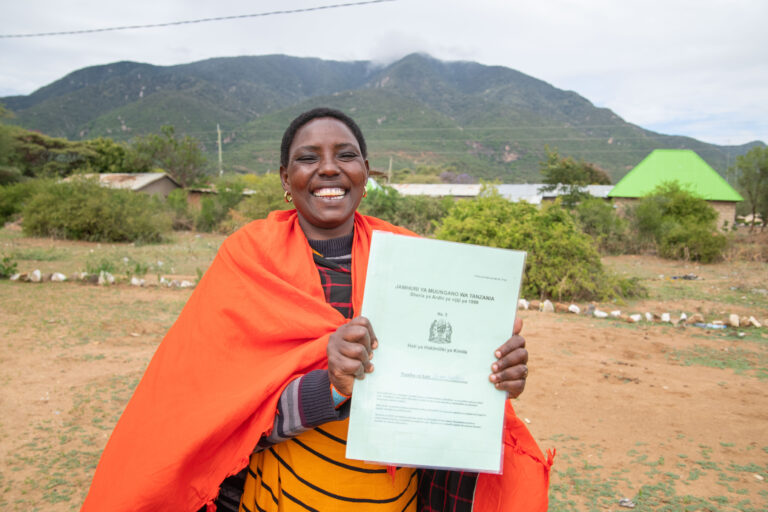


These changes do not simply replace “traditional” marriage with a foreign model. Many couples keep what gives the union social depth family visits, negotiated gifts, Maa blessings, ceremonial food and community recognition while rejecting child marriage, coercion or the idea that only parents may choose.
The clearest modern pathway is therefore not “a boy becomes a warrior and receives a wife.” It is that an adult Maasai man becomes ready for responsibility, forms a consensual relationship, brings the families together and creates a marriage recognised by the couple, their community and the law.
Frequently Asked Questions
Does a Maasai man choose his own wife?
He may. Historical accounts describe strong parental involvement and arranged matches, but individual choice also existed. Today many Maasai couples meet through school, work, church, urban life, family introductions or personal relationships. The adult woman and man must both consent.
Must a Maasai man finish warriorhood before marrying?
Historically, marriage was mainly associated with junior eldership after moranhood. Coast’s research found that this boundary was already weakening in some Kenyan communities. Current timing varies with age-set participation, education, work, religion and family circumstances.
How many cattle are paid for a Maasai bride?
There is no trustworthy universal number. The type and quantity of bridewealth vary by Maasai section, family, time, herd wealth and negotiation. Sources that give one fixed total for every Maasai wedding should be treated cautiously.
Is Maasai marriage always polygamous?
No. Some customary marriages are polygamous or potentially polygamous, but many Maasai marriages remain monogamous. The legal form, religion, personal choice, finances and family plans all influence the decision.
Conclusion
A Maasai young man does not get a wife through one dramatic ritual. Historically, he moved toward elderhood, demonstrated readiness, entered family negotiations, transferred bridewealth and completed ceremonies that made a new household public. Today the pathway may begin with school, work, church or personal courtship and combine several legal and cultural forms.
Across every version, the strongest modern principle is simple: marriage joins families, but it belongs first to the two adults entering it. Age-set status, cattle and blessings can give the union cultural meaning; none can replace the woman’s free consent or the man’s responsibility to build a respectful partnership.
Sources and Further Reading
Coast, Ernestina. 2004. “Maasai Marriage: A Comparative Study of Kenya and Tanzania.” Comparative survey conducted in 1997–1998.
Court of Appeal of Tanzania. 2019. “Attorney General v. Rebeca Z. Gyumi, Civil Appeal No. 204 of 2017.”
Government of Kenya. 2014. “The Marriage Act, No. 4 of 2014.” Sections 3–6 and 11.
Government of Tanzania. 2023 revised edition. “The Law of Marriage Act, Cap. 29.” Sections 9, 13 and 16–18.
Llewelyn-Davies, Melissa. 1980. “Maasai Women documentary transcript.” Documentary Educational Resources/WSU transcript, pp. 1–7.
Pastoral Women’s Council. “Rights and Leadership.” Northern Tanzania community programme.
Timothy S. Y. Lam Museum of Anthropology, Wake Forest University. “Maasai Wedding Customs.”
UNESCO Intangible Cultural Heritage. 2018. “Enkipaata, Eunoto and Olng’esherr, Three Male Rites of Passage of the Maasai Community.”
UNFPA. “Redefining Manhood: Why One Kenyan Man Is Breaking Tradition to Stand Up for Girls.”
ADVERTISEMENT
RELATED ARTICLE