Maasai initiation is often discussed as though one unchanging ceremony confronts one modern law. The reality is more complex. Practices differ by section, locality, family, gender, generation and country. Even the word emurata is used differently across published accounts, commonly for a circumcision or initiation ceremony rather than one identical ritual everywhere.
The central question is therefore not whether Maasai culture must survive or disappear. It is which relationships, teachings and public forms can continue and which actions must change because they violate bodily autonomy, child protection or health.
What is the future of Maasai initiation? Maasai initiation is likely to survive by separating cultural teaching, blessing, age-set identity and communal celebration from coercion and female genital mutilation. Kenya and Tanzania apply different legal rules, while community-led alternatives show that cultural continuity does not require preserving every inherited practice unchanged.
Who Are the Maasai?
The Maasai are Indigenous East Africans whose homeland crosses southern Kenya and northern Tanzania. Maa language, cattle, land, kinship, age sets and public ceremony have historically shaped community life. Today Maasai people are also farmers, teachers, nurses, activists, entrepreneurs, clergy and urban professionals.
XTRAfrica’s broader guide to Maasai history, culture and modern life explains why no single locality can represent all Maasai communities.
That diversity matters especially for initiation. Kenya and Tanzania have different laws and institutions. Loita practice cannot automatically describe Kajiado, Arusha, Longido or Ngorongoro. Men’s and women’s rites have also carried different meanings and legal consequences. Responsible reporting must keep those distinctions visible.
Emurata Is Not One Identical Ritual
Initiation has historically done more than alter the body. It can locate a person within a generation, make a status change publicly recognisable and create obligations among age-mates, families and elders. Instruction, song, blessing, dress, food and communal recognition can matter as much as the physical procedure.
The wider male age-set journey is particularly important. In 2018, UNESCO placed the Kenyan nomination of Enkipaata, Eunoto and Olng’esherr on its List of Intangible Cultural Heritage in Need of Urgent Safeguarding. UNESCO describes these three connected male rites as preparation for initiation, movement out of moranhood and entry into eldership. They transmit knowledge through instruction, stories, songs, proverbs and relationships.
AFRICAN CULTURE
Maasai Initiation: Male Rites, Female Cutting, Law and Reform

Jul 26, 2026
Jul 26, 2026
14 min read

Published
Updated:
Maasai initiation is often discussed as though one unchanging ceremony confronts one modern law. The reality is more complex. Practices differ by section, locality, family, gender, generation and country. Even the word emurata is used differently across published accounts, commonly for a circumcision or initiation ceremony rather than one identical ritual everywhere.

The central question is therefore not whether Maasai culture must survive or disappear. It is which relationships, teachings and public forms can continue and which actions must change because they violate bodily autonomy, child protection or health.
What is the future of Maasai initiation? Maasai initiation is likely to survive by separating cultural teaching, blessing, age-set identity and communal celebration from coercion and female genital mutilation. Kenya and Tanzania apply different legal rules, while community-led alternatives show that cultural continuity does not require preserving every inherited practice unchanged.
Who Are the Maasai?
The Maasai are Indigenous East Africans whose homeland crosses southern Kenya and northern Tanzania. Maa language, cattle, land, kinship, age sets and public ceremony have historically shaped community life. Today Maasai people are also farmers, teachers, nurses, activists, entrepreneurs, clergy and urban professionals.
XTRAfrica’s broader guide to Maasai history, culture and modern life explains why no single locality can represent all Maasai communities.
That diversity matters especially for initiation. Kenya and Tanzania have different laws and institutions. Loita practice cannot automatically describe Kajiado, Arusha, Longido or Ngorongoro. Men’s and women’s rites have also carried different meanings and legal consequences. Responsible reporting must keep those distinctions visible.
Emurata Is Not One Identical Ritual
Initiation has historically done more than alter the body. It can locate a person within a generation, make a status change publicly recognisable and create obligations among age-mates, families and elders. Instruction, song, blessing, dress, food and communal recognition can matter as much as the physical procedure.

The wider male age-set journey is particularly important. In 2018, UNESCO placed the Kenyan nomination of Enkipaata, Eunoto and Olng’esherr on its List of Intangible Cultural Heritage in Need of Urgent Safeguarding. UNESCO describes these three connected male rites as preparation for initiation, movement out of moranhood and entry into eldership. They transmit knowledge through instruction, stories, songs, proverbs and relationships.
These UNESCO-listed rites are related to the life-course system, but they must not be collapsed into female genital mutilation (FGM), or treated as a UNESCO endorsement of cutting. XTRAfrica’s separate account of Enkipaata, Eunoto and Olng’esherr explores their safeguarding in detail. The distinction makes reform clearer: living heritage can be protected while a harmful bodily practice is ended.
Male Initiation: Continuity Requires Consent and Safety
Male circumcision is not generally outlawed in Kenya. The legal boundary instead concerns force, harm and children’s rights. Kenya’s Children Act defines forced male circumcision and prohibits subjecting a child to it or to any cultural or religious practice likely to harm the child’s life, health, welfare, dignity or development.
ADVERTISEMENT
The Act provides a minimum three-year prison term or a minimum KSh500,000 fine, or both, for violating that protection (Government of Kenya, 2022, pp. 435, 451).

That distinction permits a future for male initiation, but not an automatic right to compel it. A credible rite must take age, informed participation, medical safety, privacy and aftercare seriously. Community leaders, families and health professionals can disagree about where a procedure should occur while still accepting that severe injury, humiliation or coercion cannot be cultural requirements.
The ceremony’s cultural content need not shrink to the operation itself. Mentorship, Maa teaching, age-set solidarity, blessings, family recognition and instruction in responsibility can be strengthened.
The Maa language and Maasai history are especially important because losing ceremonial vocabulary and oral teaching would hollow out the rite even if its visible events continued.
School and employment also change timing. Urban workers and students may travel home for major occasions while remaining absent from daily rural life. XTRAfrica’s reporting on Maasai professionals balancing city life and cultural responsibility shows why shortened calendars, deliberate return and new forms of mentorship are adaptations rather than proof of cultural failure.
Female Cutting: The Law Draws a Different Boundary
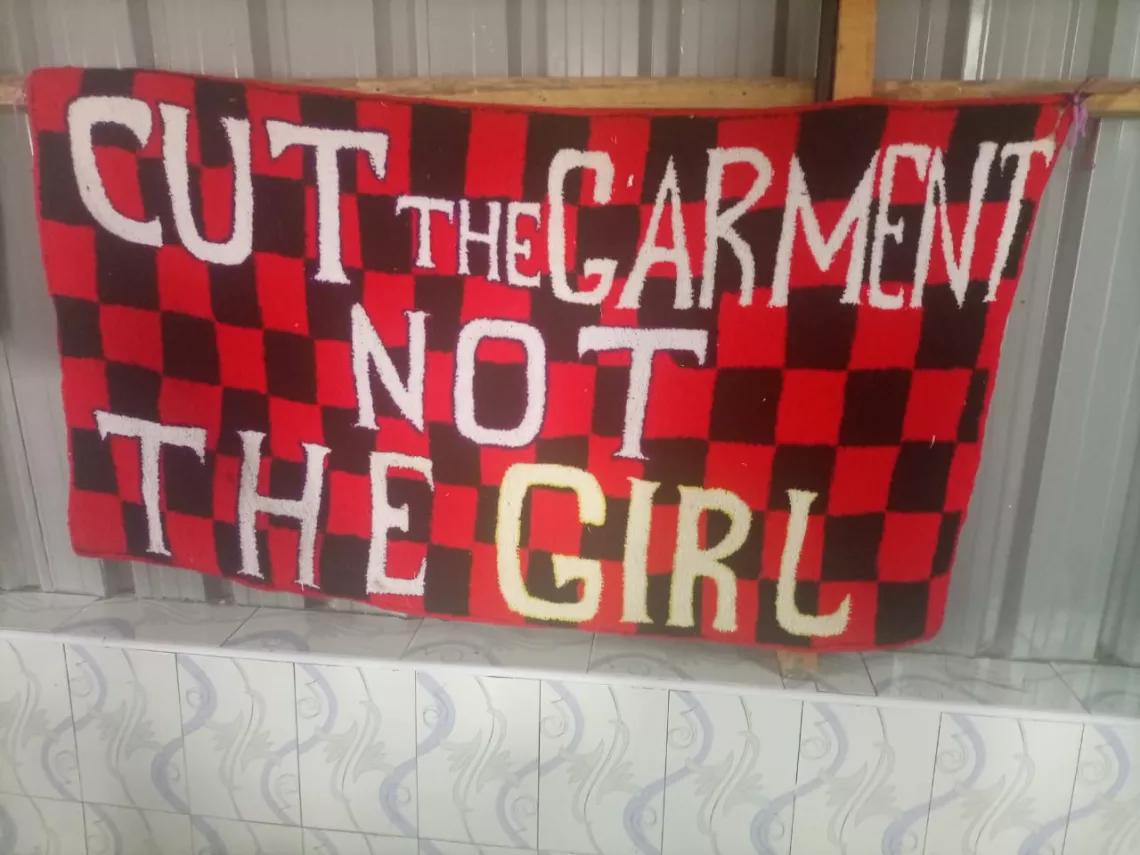
FGM is not the female equivalent of a protected male rite. The World Health Organization’s 2025 fact sheet states that FGM has no health benefits and can cause immediate and long-term physical and psychological harm. Performing it in a clinic does not remove that harm or make it acceptable.
Kenya’s Prohibition of Female Genital Mutilation Act criminalises performing FGM, helping another person perform it and taking someone outside Kenya for it. Culture, religion, custom and consent do not provide a defence. The law also requires reporting where a person knows FGM has been committed, is occurring or is planned (Kenya Law, revised 2022, sections 19–25).
In 2021, Kenya’s High Court rejected a constitutional challenge to that framework. It held that cultural rights can be limited to protect health and dignity, that consent does not legalise FGM, and that treating FGM differently from male circumcision was not unlawful discrimination (Kamau v Attorney General, 2021, pp. 2, 6–7).

Tanzania’s wording is not identical. Section 169A of the Penal Code, Revised Edition 2023, makes it cruelty to children for a person responsible for someone under 18 to cause or carry out FGM. It provides five to fifteen years’ imprisonment, a fine of up to one million shillings, or both, plus compensation (Tanzania Office of the Attorney General, 2023, p. 649).
ADVERTISEMENT
This child-focused provision is narrower in wording than Kenya’s all-age prohibition; the two countries should never be described as having one shared statute.
Reform Works When Social Meaning Moves With It

A prohibition can establish a non-negotiable boundary, but law alone may not replace the recognition that a rite once delivered. Research among Loita Maasai communities in Kenya found that enforcement pressure could push FGM into secrecy and strengthen its association with identity.
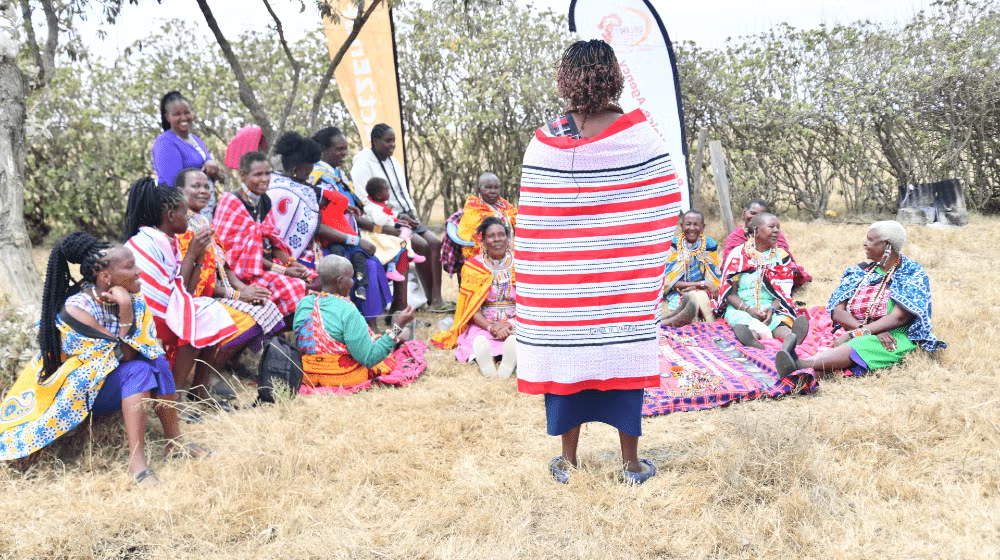
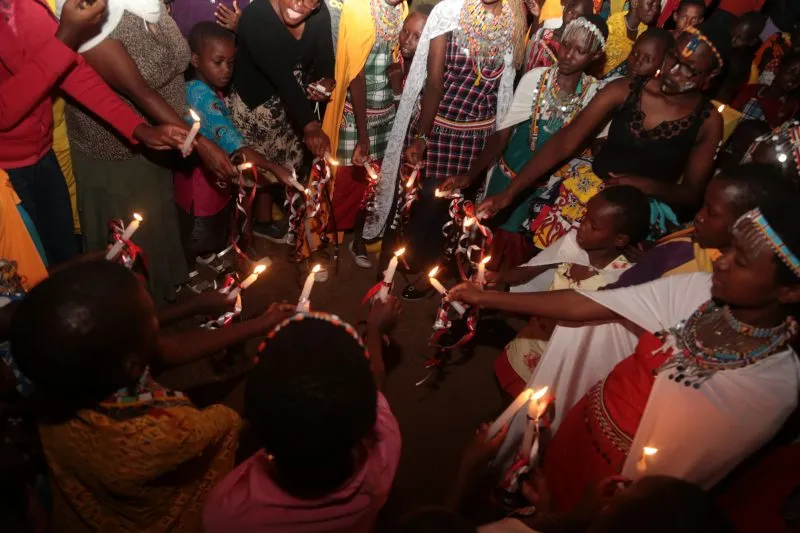
Yet it also documented a Loita Rite of Passage that retained most ceremonial elements while removing the cut. Songs, a cultural leader’s blessing and public declarations helped make non-cutting socially intelligible (Van Bavel et al., 2024, article 116412).
The finding is not a template for every community. It shows that change becomes durable when families can still recognise adulthood, belonging and moral instruction without FGM. Research in four Maasai settings in Tanzania’s Arusha and Manyara regions similarly found that cutting had sometimes become secret and detached from public celebration.
Some women, former cutters and local organisations proposed retaining the wider ceremony without the cut (Van Bavel, Coene and Leye, 2017, pp. 1–2, 12–13).
Alternative rites can still fail if outsiders design them as one-day spectacles, recruit only girls already opposed to FGM or exclude men, elders and less powerful families. A study based on 94 interviews in Kenyan Maasai and Samburu communities warns against a one-size-fits-all model and calls for education, wider participation and long-term evaluation (Graamans et al., 2019, Discussion and Conclusion).
Current Tanzanian work reflects that broader approach. In February 2026, the government launched its National Multi-Sectoral Strategy to End FGM 2025/26–2029/30 in Monduli. UNFPA’s account of the launch describes Maasai traditional leaders and former cutters from Longido becoming anti-FGM advocates. Former cutter Eliudi Chacha framed reform from within: “Culture is meant to protect life, not harm it.”

Religion may influence these debates too, but not uniformly. Churches can oppose cutting, while families may retain Maa blessings, age-set bonds or ceremonial participation. XTRAfrica’s examination of Maasai spirituality and changing Christian practice shows why “traditional” and “Christian” are not always sealed alternatives.
What Cultural Continuity Could Look Like
The strongest future for Maasai initiation rests on five linked commitments:
ADVERTISEMENT
TRENDING NOW


POPULAR TODAY


Separate heritage from harm. Preserve mentorship, song, blessing, oral knowledge, dress, family roles and public recognition without treating cutting or coercion as the test of authenticity.
Make consent and child protection real. Participation should not depend on threats, humiliation or exclusion. Male initiation must also meet legal and safety standards.
Let community authority be plural. Elders matter, but so do women, young people, survivors, former practitioners, health workers, educators and religious leaders. No single spokesperson represents all Maasai.
Combine law with social support. Enforcement is necessary, but families also need education, survivor-centred care and an honourable non-cutting route into recognised adulthood.
Evaluate local results. Reform should be measured over time: who participates, who is excluded, whether cutting moves underground and whether the new rite retains meaning. Ceremonial clothing and Maasai beadwork may support continuity, but visual splendour cannot substitute for rights or community ownership.
This approach refuses two stereotypes. One says African culture must remain unchanged to be real. The other treats culture as the obstacle and outside intervention as the only source of progress. The evidence instead shows Maasai people arguing, adapting and leading change themselves.
Frequently Asked Questions
Is emurata the same as Enkipaata, Eunoto and Olng’esherr?
No. Published sources commonly use emurata for a circumcision or initiation ceremony, with local variation. UNESCO’s three listed male rites form a wider sequence from preparation through moranhood to eldership. They are connected to initiation but are not interchangeable names for one event.
Is male circumcision illegal in Kenya?
No, not generally. Kenya’s Children Act specifically prohibits forced male circumcision and harmful cultural or religious practices involving children. Consent, age, safety and dignity therefore matter. This article explains the law but is not personal legal advice.
Can consent make FGM legal in Kenya?
No. Kenya’s FGM law states that consent, culture, religion or custom is not a defence. The High Court upheld that position in 2021.
Can Maasai initiation continue without female cutting?
Yes. Studies in specific Kenyan and Tanzanian Maasai communities document ceremonies that retain teaching, celebration, blessing and recognition while removing the cut. Their success depends on local legitimacy and broader social change, so one community’s model should not be imposed everywhere.
Conclusion
The future of Maasai initiation will be negotiated, not simply inherited. Male rites can continue when consent, safety and child protection are taken seriously. FGM must end, but its abandonment is more durable when social recognition, teaching and belonging are rebuilt rather than ignored.
Cultural continuity does not mean carrying every practice forward unchanged. It means Maasai communities retaining the authority to transmit Maa knowledge, age-set responsibility, blessing and collective memory while protecting the dignity and future of each participant.
Sources and reference
Government of Kenya. 2022. The Children Act, No. 29 of 2022, pp. 435, 451. Official PDF.
Kenya Law. 2022 revision. Prohibition of Female Genital Mutilation Act, No. 32 of 2011, sections 19–29. Official legislation page.
Tatu Kamau v Attorney General & 2 others; Equality Now & 9 others (Interested Parties). 2021. Kenya High Court, Petition 244 of 2019, pp. 2, 6–7. Judgment.
Office of the Attorney General, United Republic of Tanzania. 2023. The Penal Code, Revised Edition 2023, section 169A, p. 649. Official PDF.
Graamans, E. P., et al. 2019. “Lessons Learned from Implementing Alternative Rites in the Fight Against Female Genital Mutilation/Cutting.” Pan African Medical Journal 32:59. DOI.
UNESCO. 2018. “Enkipaata, Eunoto and Olng’esherr, Three Male Rites of Passage of the Maasai Community.” Intangible Cultural Heritage record.
UNFPA Tanzania. 2026. “From Survivor Voices to National Leadership: Tanzania’s New Strategy to End FGM.” Programme report.
Van Bavel, H., Coene, G., and Leye, E. 2017. “Changing Practices and Shifting Meanings of Female Genital Cutting among the Maasai of Arusha and Manyara Regions of Tanzania.” Culture, Health & Sexuality 19(12): 1344–1359. DOI.
Van Bavel, H., Partoip, S. K., Koyie, B., et al. 2024. “Understanding the Roles of Alternative Rites of Passage and Public Declarations in FGM/C Abandonment: An Ethnographic Study among the Loita Maasai, Kenya.” Social Science & Medicine 359:116412. DOI.
World Health Organization. 2025. “Female Genital Mutilation.” Fact sheet.
ADVERTISEMENT
RELATED ARTICLE