Himba clothing is not only about appearance. For the Himba people of northern Namibia, dress and adornment can show identity, beauty, wealth, marriage, age, gender, social status, and respect for culture.
Academic research by Austin Sterling Cameron found that Himba dress is a “key element in traditional Himba perceptions” of wealth, status, social relationships, and cultural pride (Cameron, 2013, p. 24). This means that what a person wears can communicate much more than personal style.
Who Are the Himba?
The Himba, also called Ovahimba, are a pastoralist people strongly associated with northern Namibia, especially the Kunene Region. Cameron’s field research focused on Himba communities in Opuwo and Otutati, where he interviewed 41 Himba people about dress, cattle, ancestral beliefs, media, and cultural change.
The Kunene Regional Council describes Opuwo as a major town in northwestern Namibia and home to Ovahimba communities that continue traditional practices while living close to modern influences. UNESCO’s archive record for Ochre and Water also connects Himba cultural memory with ochre, landscape, and northern Namibia.
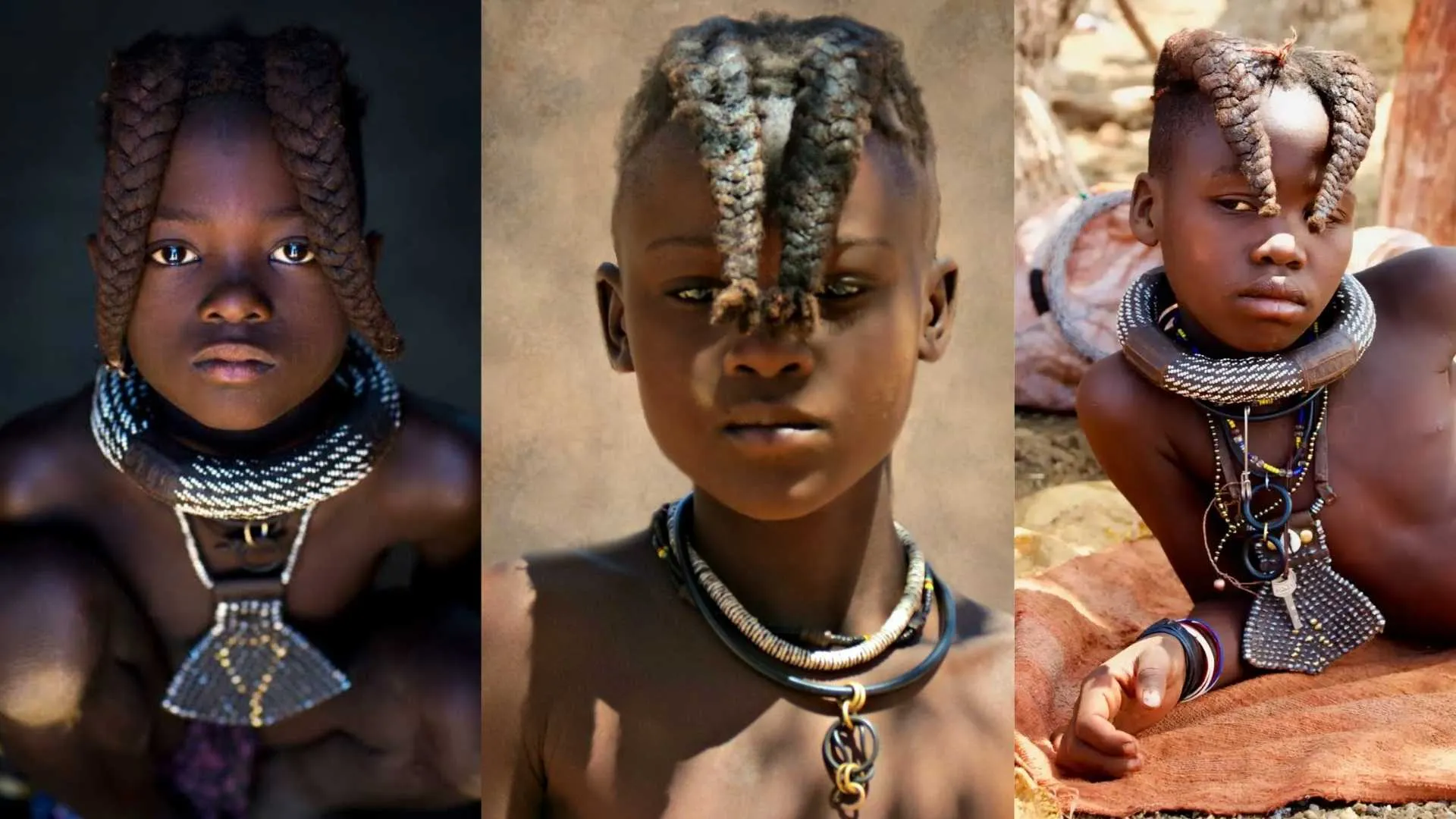
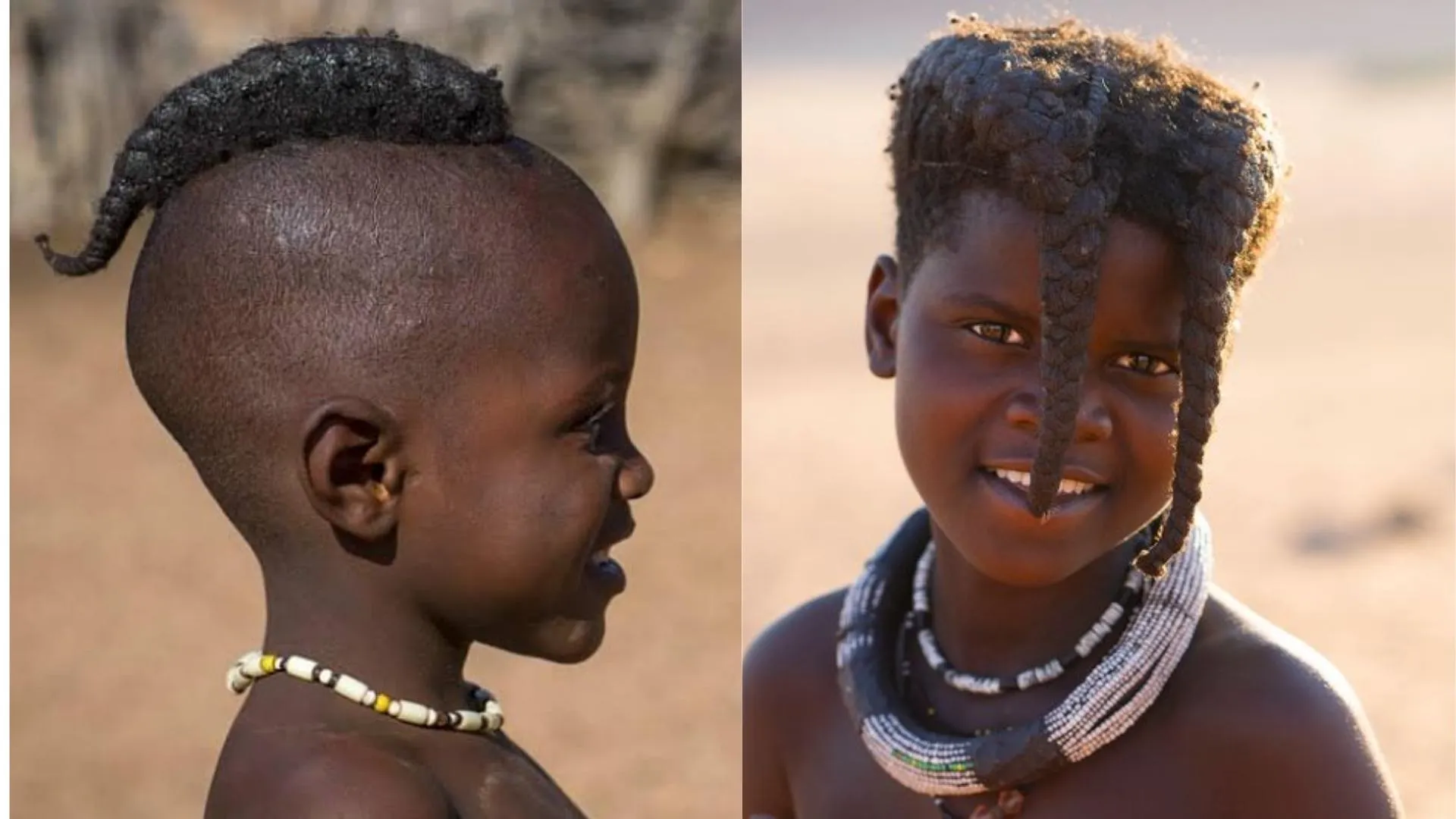
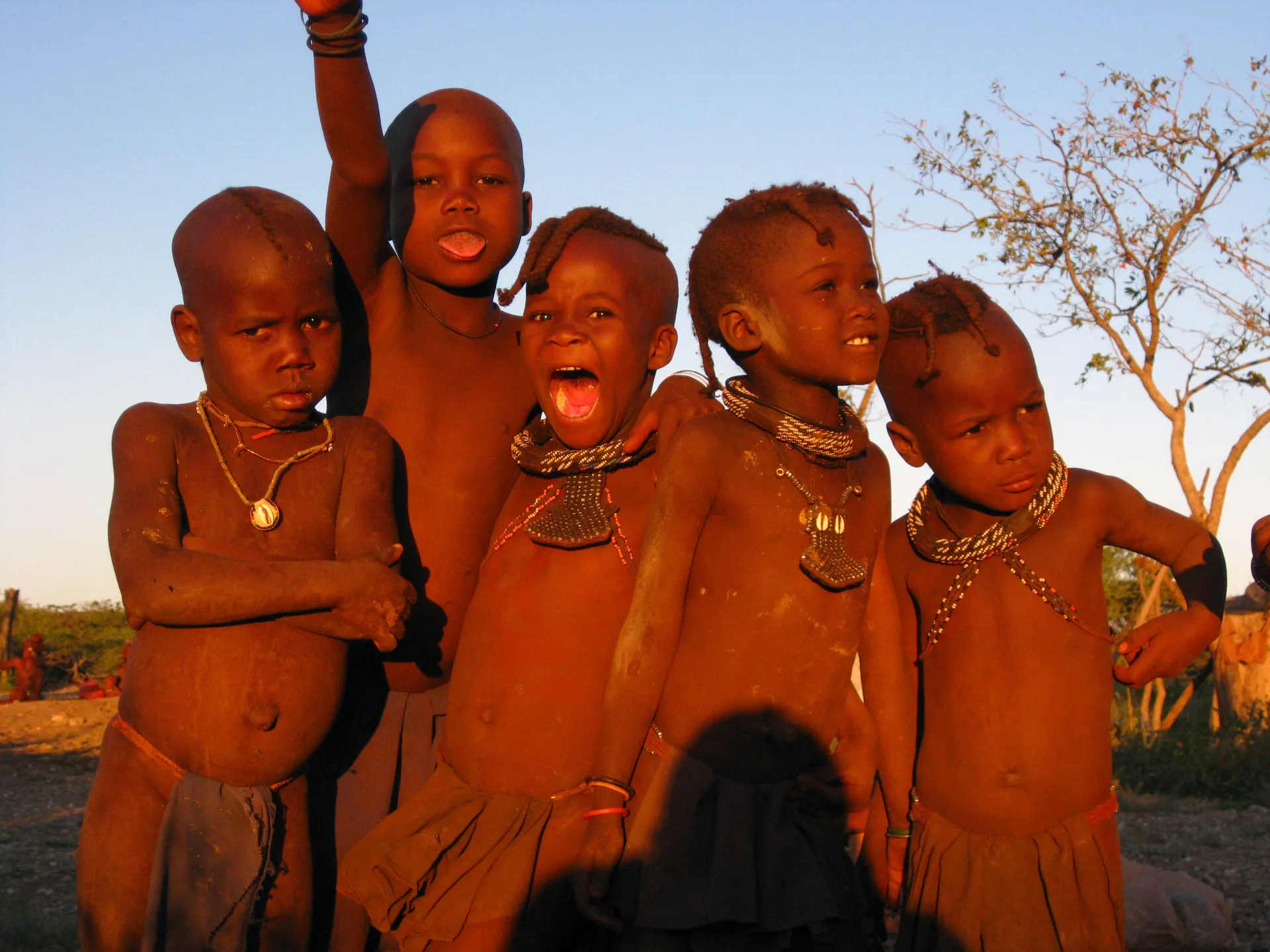
Himba kid's amazing hair styles
Why Himba Dress Matters
Himba dress is a social language. It can show whether someone is married, wealthy, respected, young, older, male, female, traditional, modern, or connected to ancestral customs.
Cameron writes that “traditional dress carries tremendous social” meaning among the Himba (Cameron, 2013, p. 24). He also notes that culturally made objects should not be treated as simple practical items, because they can carry social and symbolic meaning.
For article readers, the safest way to understand Himba clothing is this: it is not costume. It is a living system of identity.
AFRICAN CULTURE
Himba Clothing and Adornment: Meaning of Traditional Dress

Jun 19, 2026
Jun 19, 2026
8 min read

Published
Updated:
Himba clothing is not only about appearance. For the Himba people of northern Namibia, dress and adornment can show identity, beauty, wealth, marriage, age, gender, social status, and respect for culture.

Academic research by Austin Sterling Cameron found that Himba dress is a “key element in traditional Himba perceptions” of wealth, status, social relationships, and cultural pride (Cameron, 2013, p. 24). This means that what a person wears can communicate much more than personal style.
Who Are the Himba?
The Himba, also called Ovahimba, are a pastoralist people strongly associated with northern Namibia, especially the Kunene Region. Cameron’s field research focused on Himba communities in Opuwo and Otutati, where he interviewed 41 Himba people about dress, cattle, ancestral beliefs, media, and cultural change.
The Kunene Regional Council describes Opuwo as a major town in northwestern Namibia and home to Ovahimba communities that continue traditional practices while living close to modern influences. UNESCO’s archive record for Ochre and Water also connects Himba cultural memory with ochre, landscape, and northern Namibia.
Himba kid's amazing hair styles
Why Himba Dress Matters
Himba dress is a social language. It can show whether someone is married, wealthy, respected, young, older, male, female, traditional, modern, or connected to ancestral customs.
Cameron writes that “traditional dress carries tremendous social” meaning among the Himba (Cameron, 2013, p. 24). He also notes that culturally made objects should not be treated as simple practical items, because they can carry social and symbolic meaning.
For article readers, the safest way to understand Himba clothing is this: it is not costume. It is a living system of identity.
Further Reading
Austin Sterling Cameron (2013)
The Influence of Media on Himba Conceptions of Dress, Ancestral and Cattle Worship, and the Implications for Culture Change.(Relevant pages: 23–26, 48–73)
Otjize: The Red Ochre Body Adornment
ADVERTISEMENT
One of the most recognized parts of Himba appearance is otjize, a red mixture made with ochre and fat. Cameron describes otjize as part of the ideal traditional appearance for Himba women, along with traditional coverings and jewelry (Cameron, 2013, p. 24).
Gregor Borg and Margaret Jacobsohn’s academic work on Himba red pigment describes otjize as “red full-body make-up called otjize” (Borg & Jacobsohn, 2013). Their study focuses on the mining and use of red pigment by Himba women in northwestern Namibia.
Otjize should not be reduced to a beauty trend. In the research dossier, the strongest evidence supports otjize as part of Himba women’s traditional appearance, identity, and cultural continuity. Claims that otjize protects from sun, insects, or dry skin may be true in some sources, but stronger direct evidence is needed before presenting those points as main facts.
Further Reading
Gregor Borg and Margaret Jacobsohn (2013)
Ladies in Red: Mining and Use of Red Pigment by Himba Women in Northwestern Namibia
(Relevant pages: 43–51)
Women’s Clothing and Adornment
Cameron’s research shows that Himba women’s dress can communicate wealth, marriage, beauty, and cultural respect. He notes that necklaces made with certain shells and metal bead ankle cuffs can be seen as signs of wealth. A leather headdress can communicate that a woman is married (Cameron, 2013, p. 24).
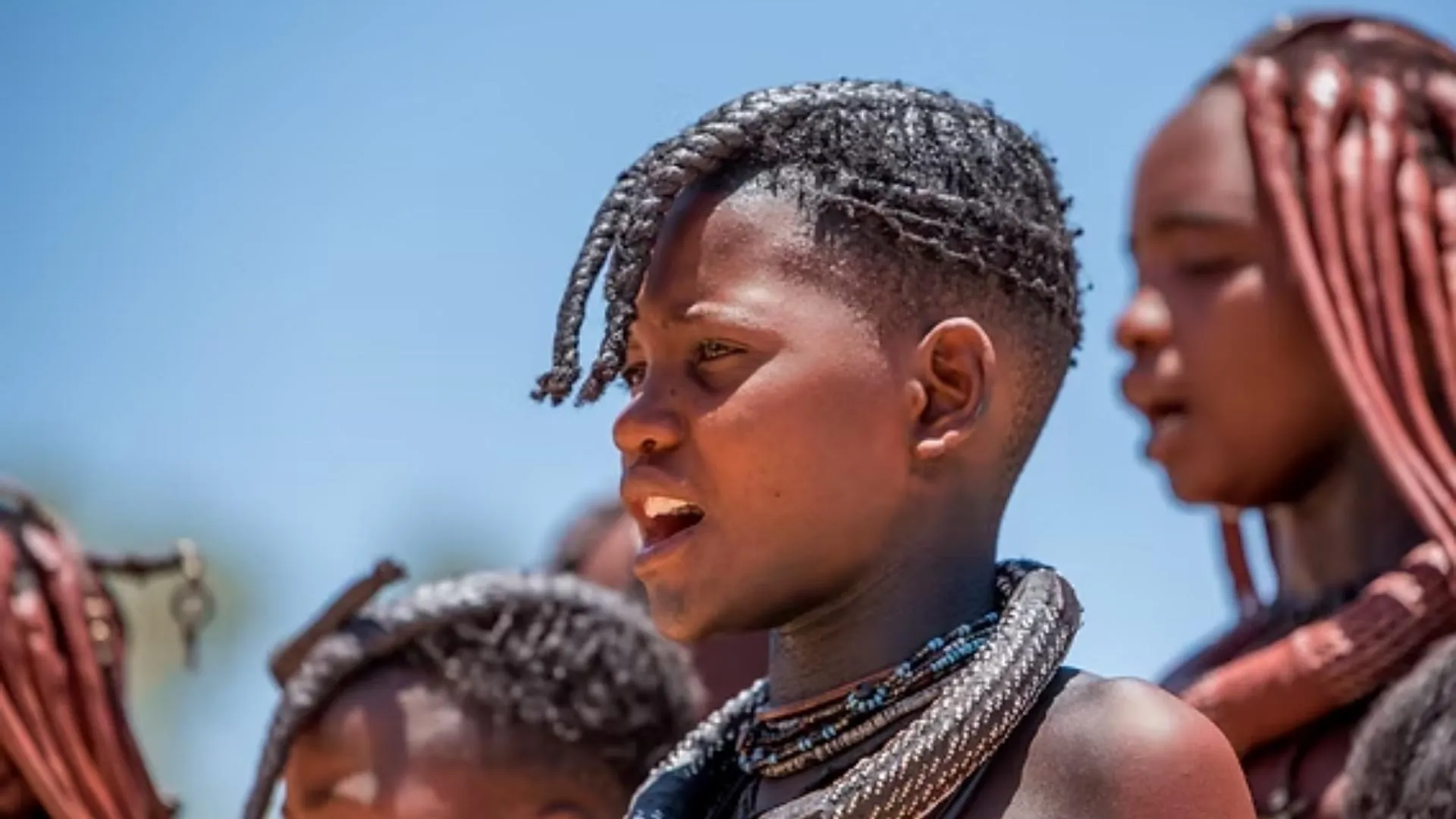
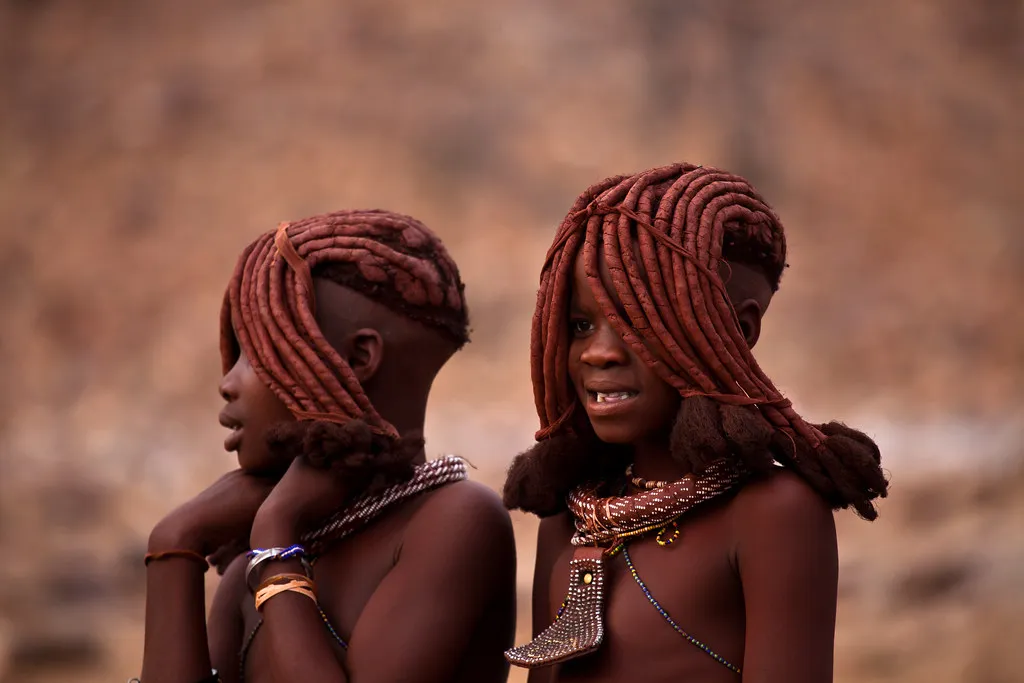
Himba young women with amazing dressing style
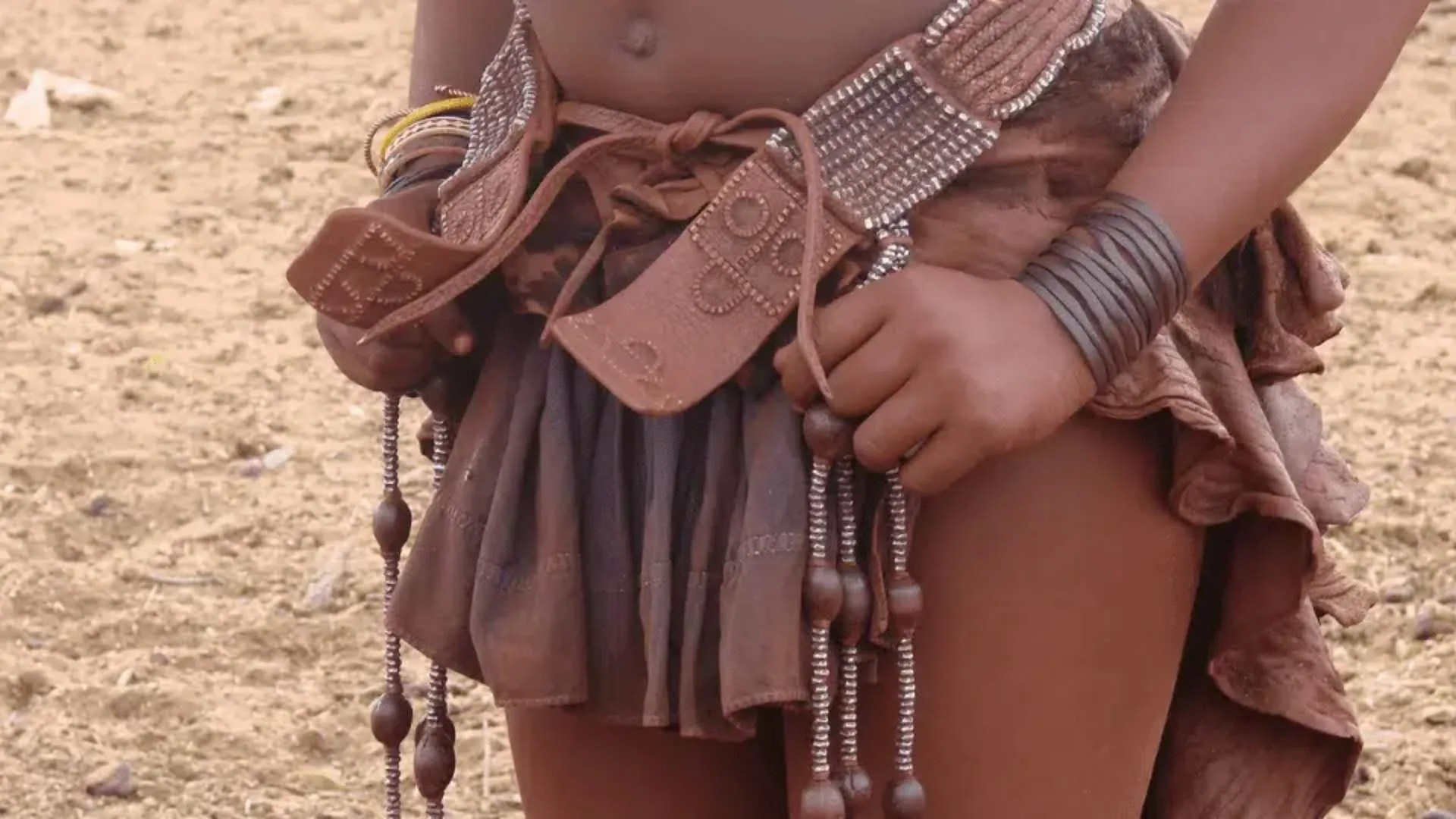
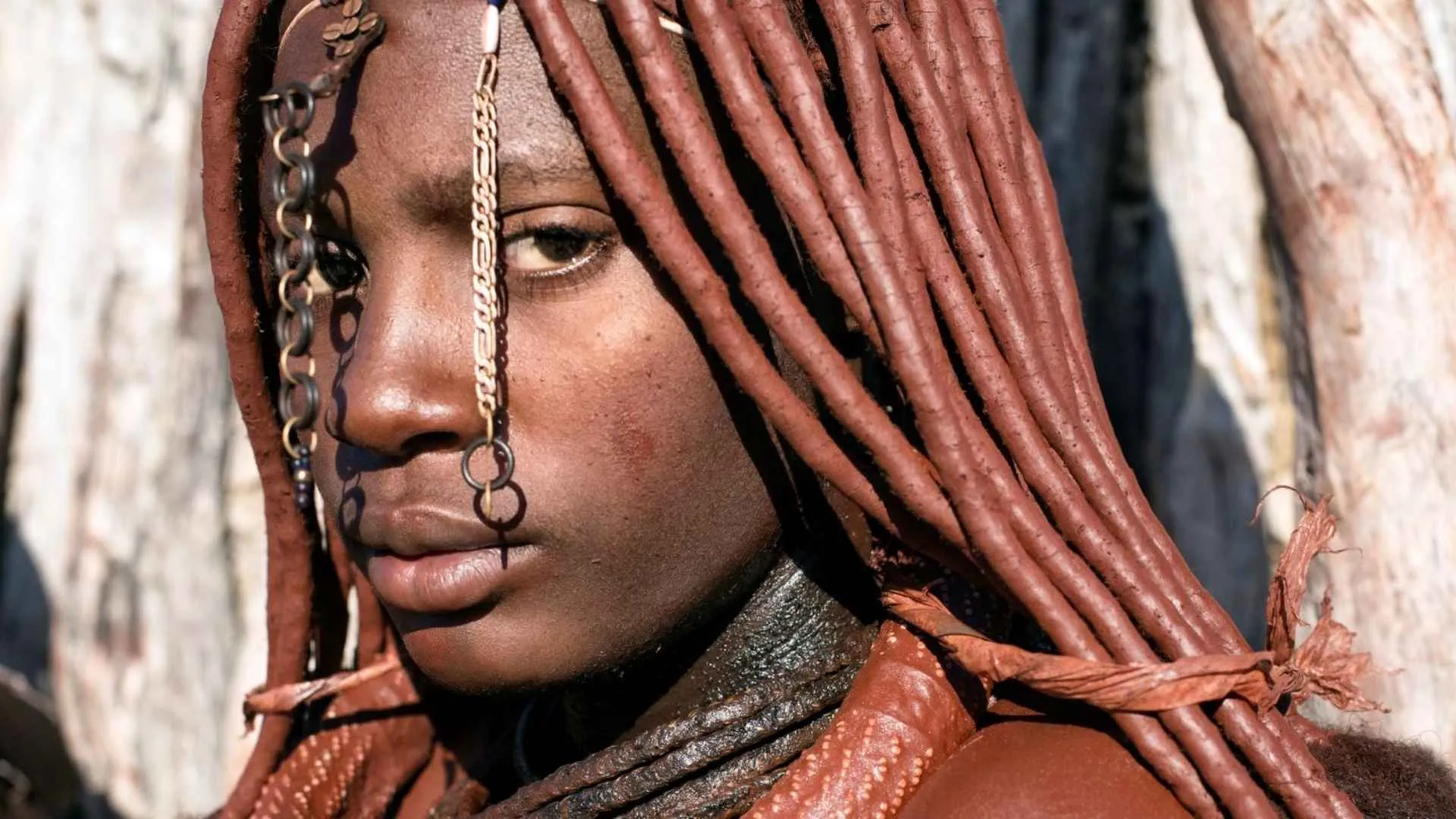
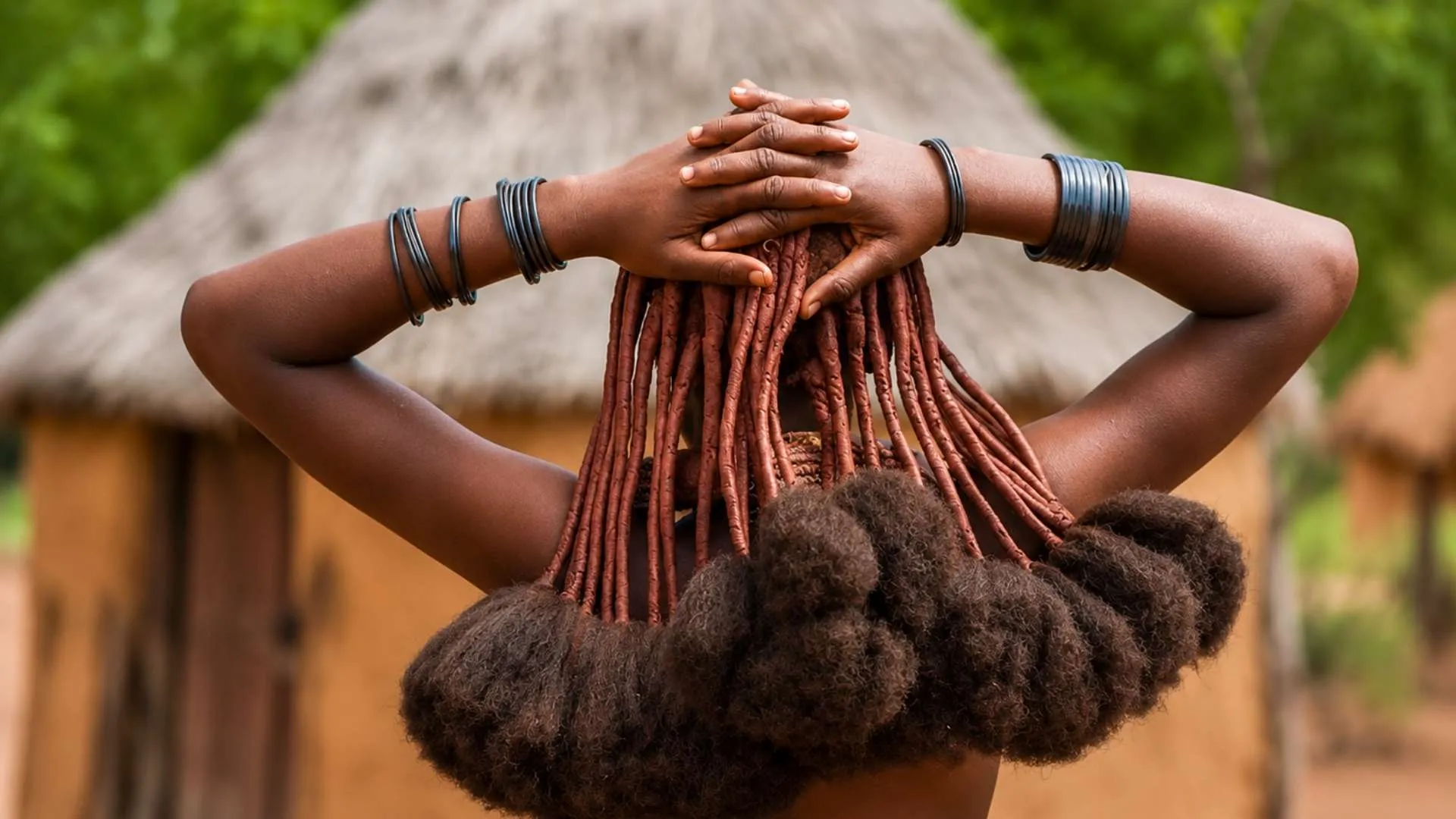
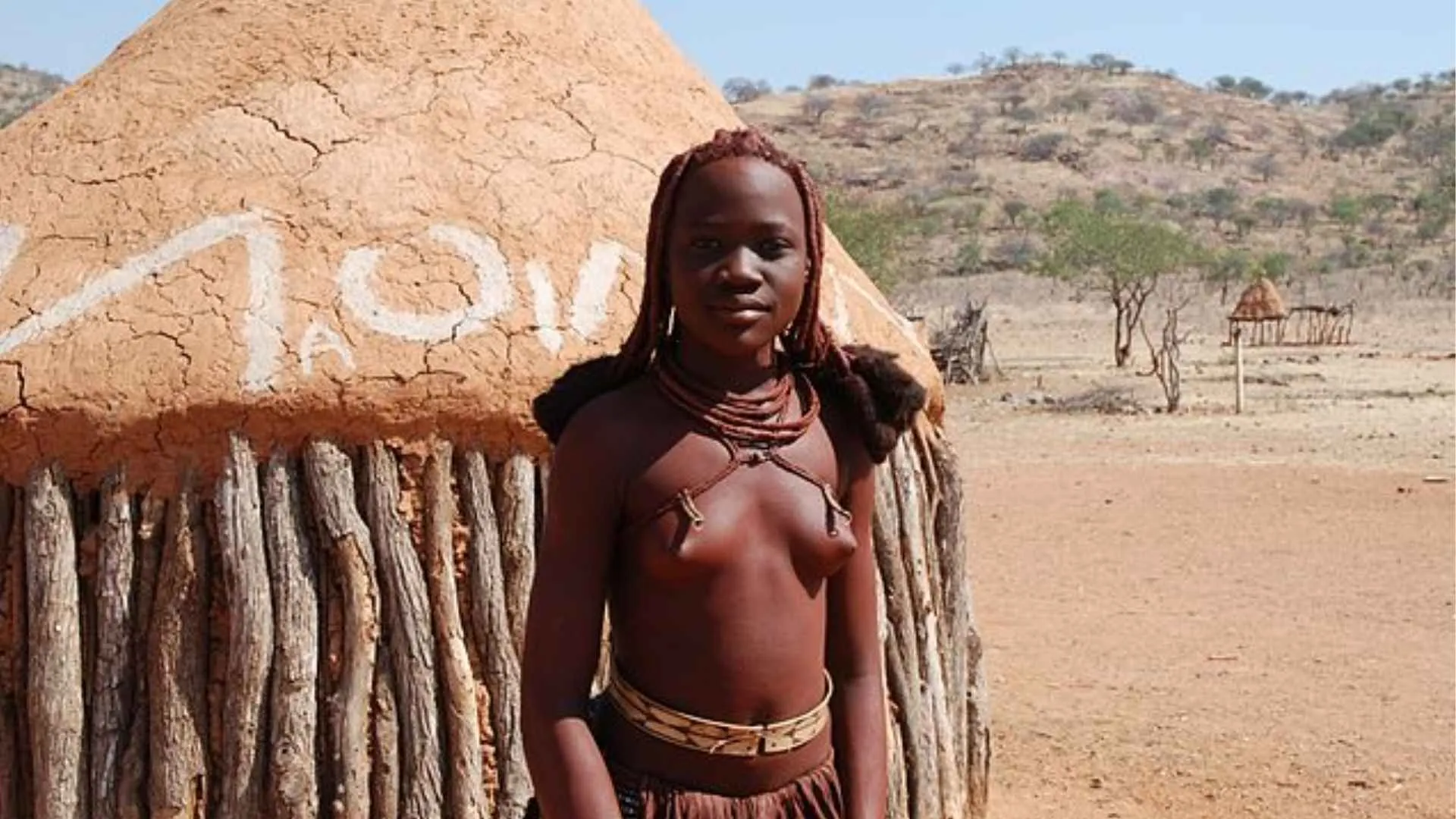
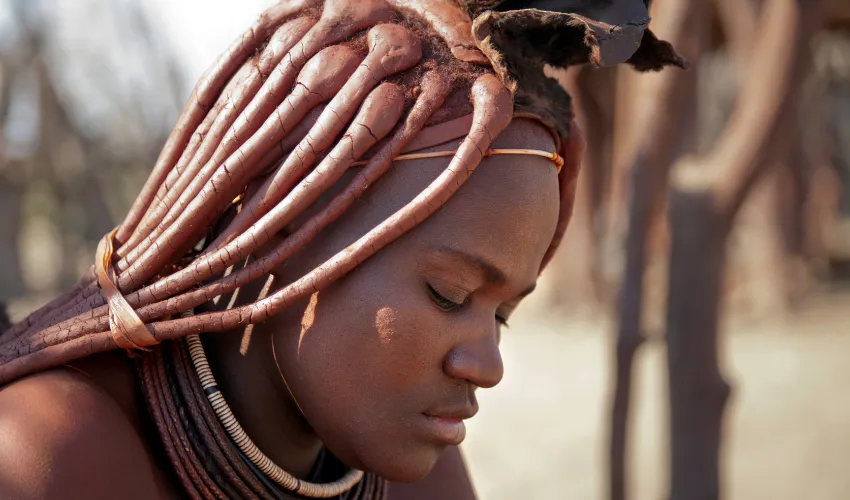
Traditional Himba women’s appearance may include otjize, leather coverings, jewelry, ankle cuffs, necklaces, and styled hair. Cameron explains that wearing otjize and traditional adornment is considered an ideal outward appearance for women and a sign of respect toward Himba culture (Cameron, 2013, p. 24).
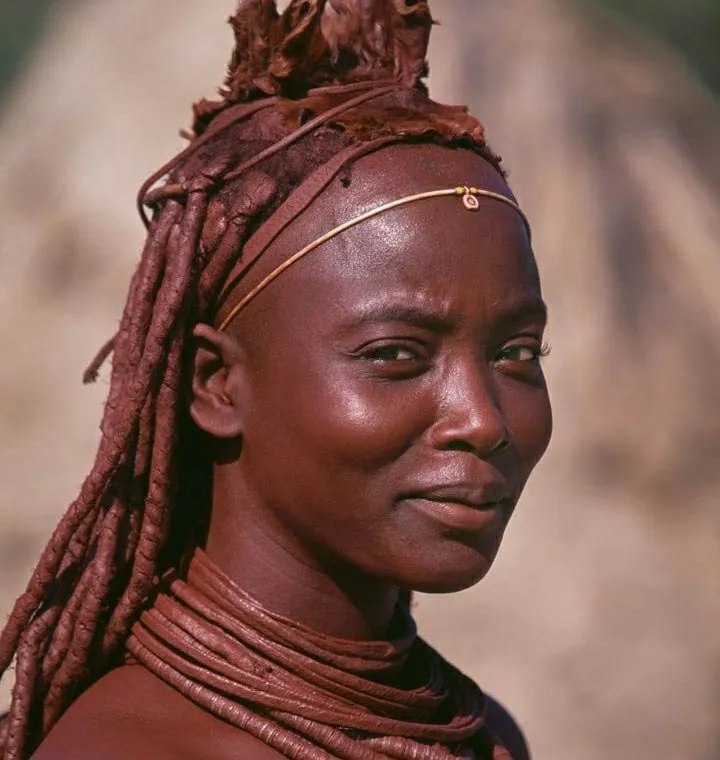
Himba older women style


ADVERTISEMENT
This does not mean every Himba woman dresses the same way today. Emilia N. Inman’s 2024 field research found that some Himba women now wear modified traditional clothing, longer skirts, added decorations, artificial braids, or modern dresses. One participant in Inman’s study said, “The dress code has changed” (Inman, 2024, section 3.2.1).
Men’s Clothing and Adornment
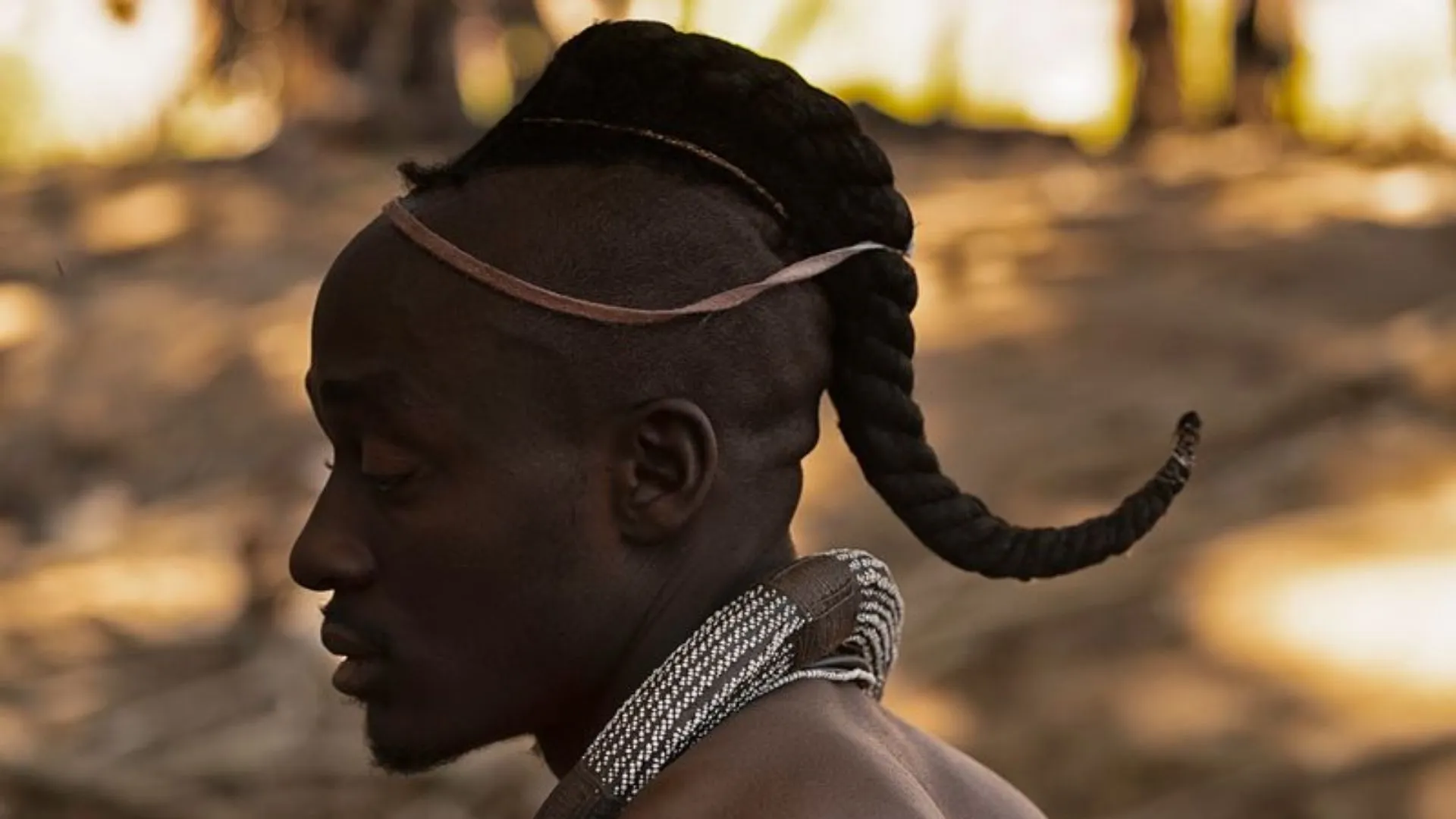


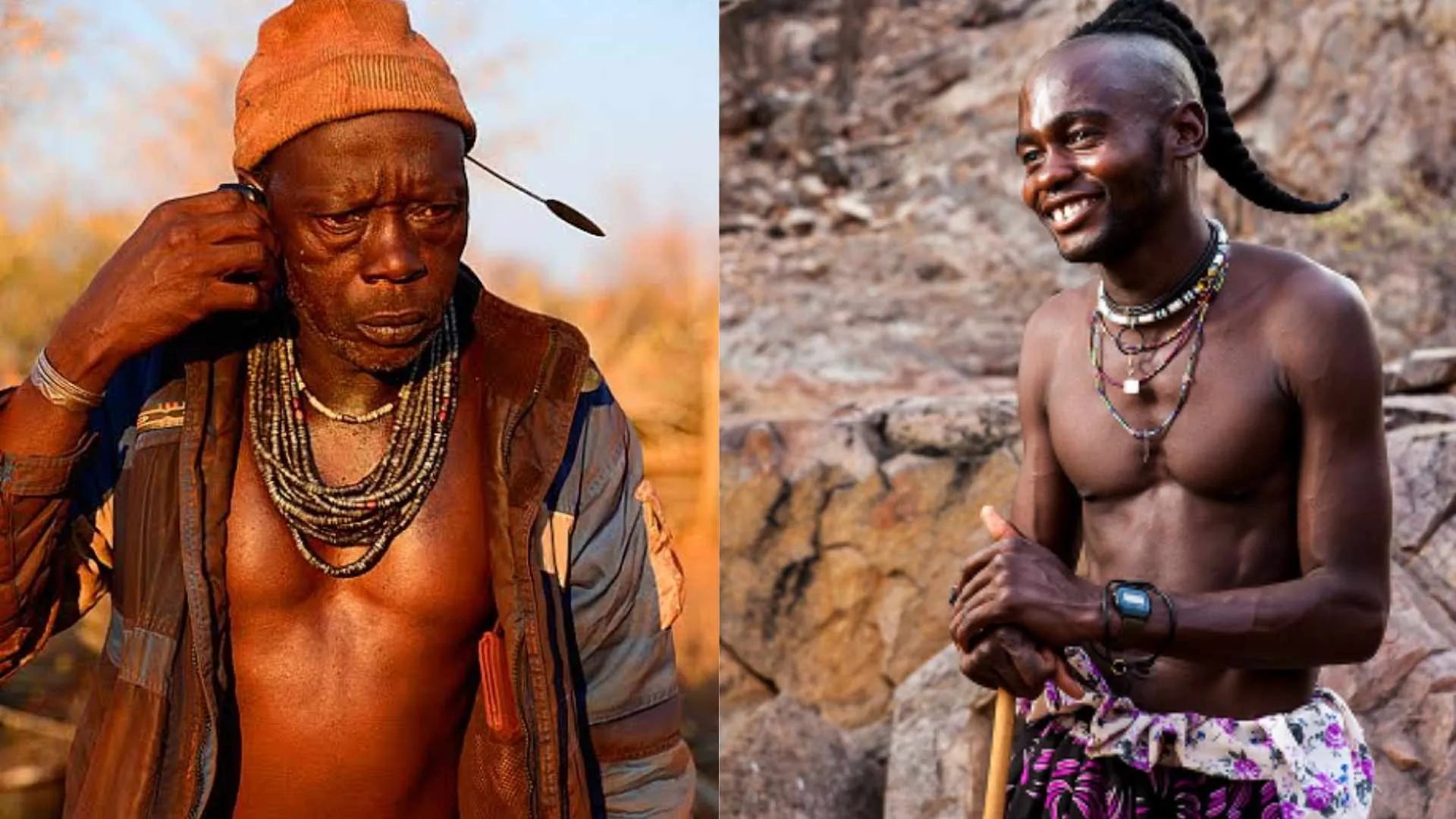
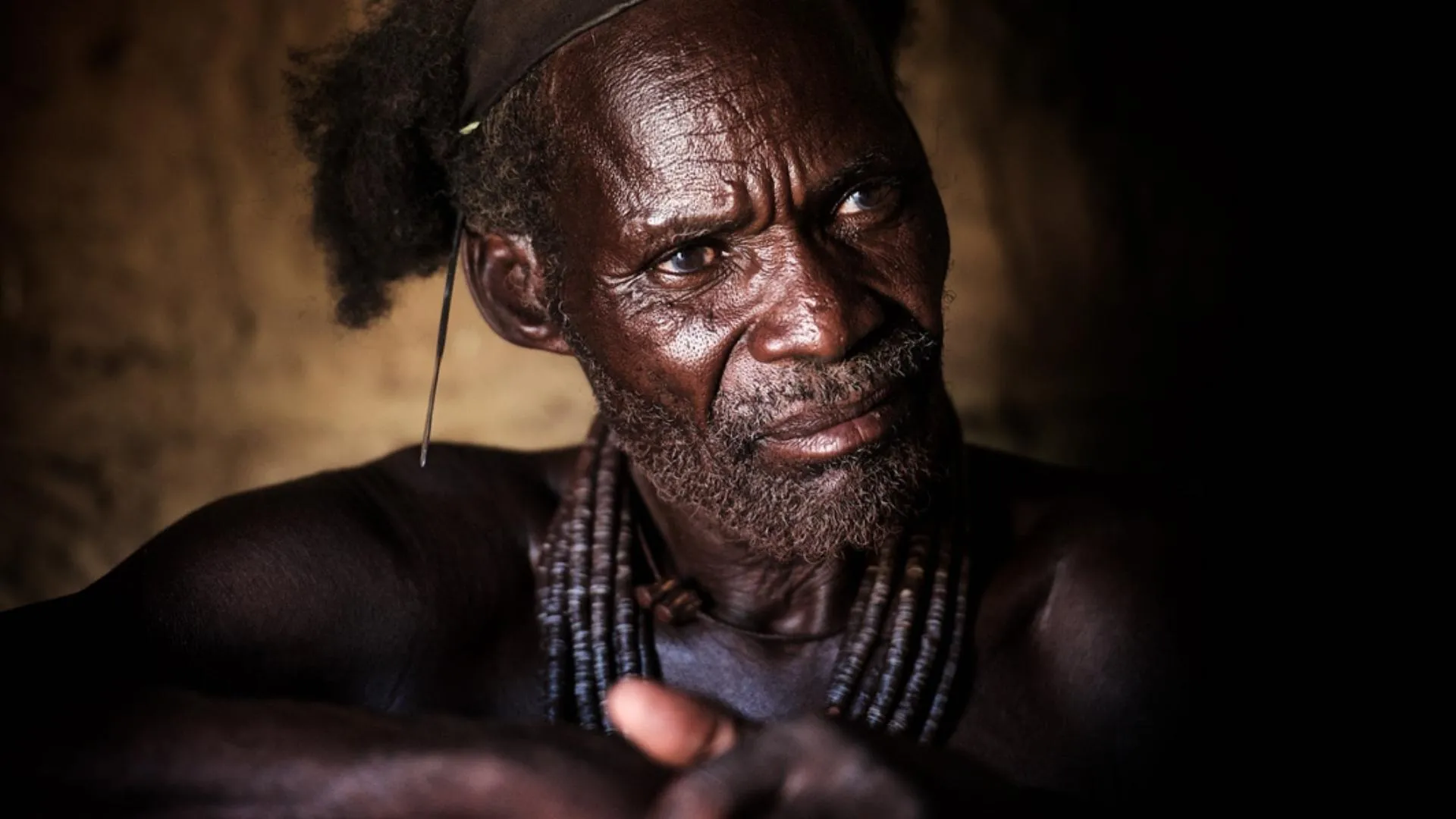
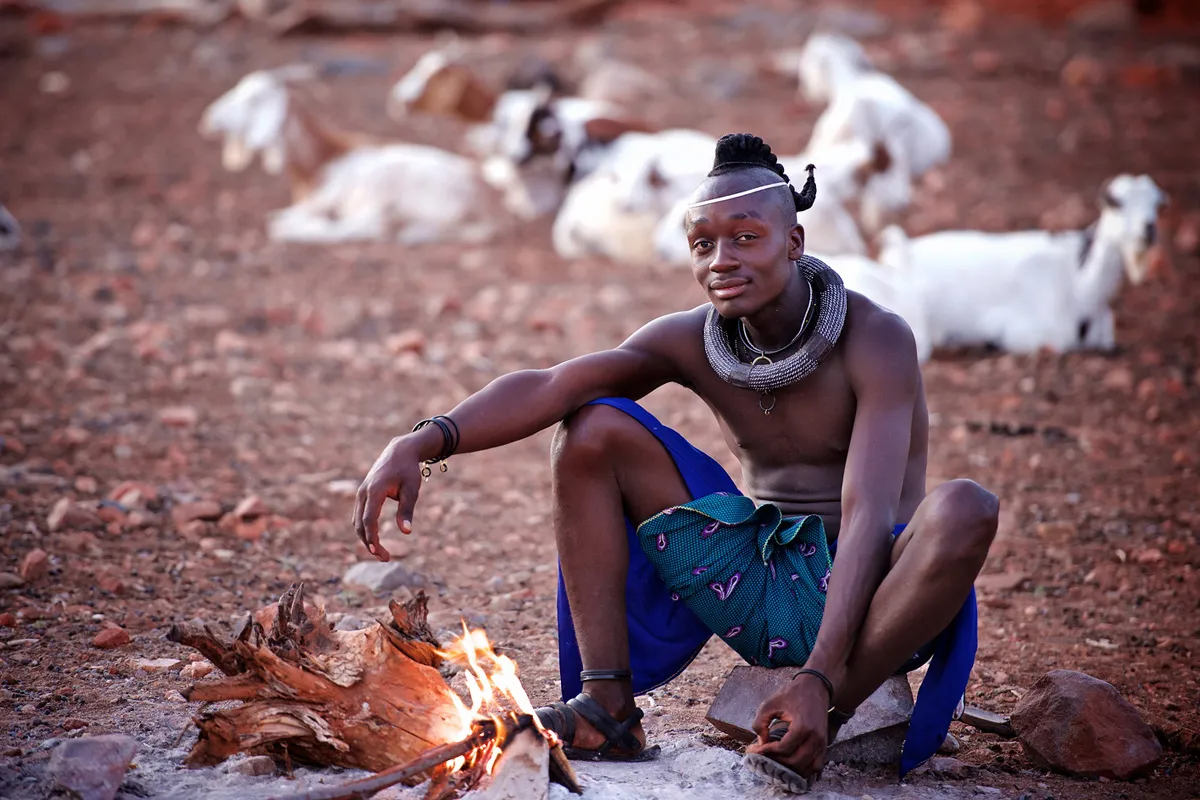
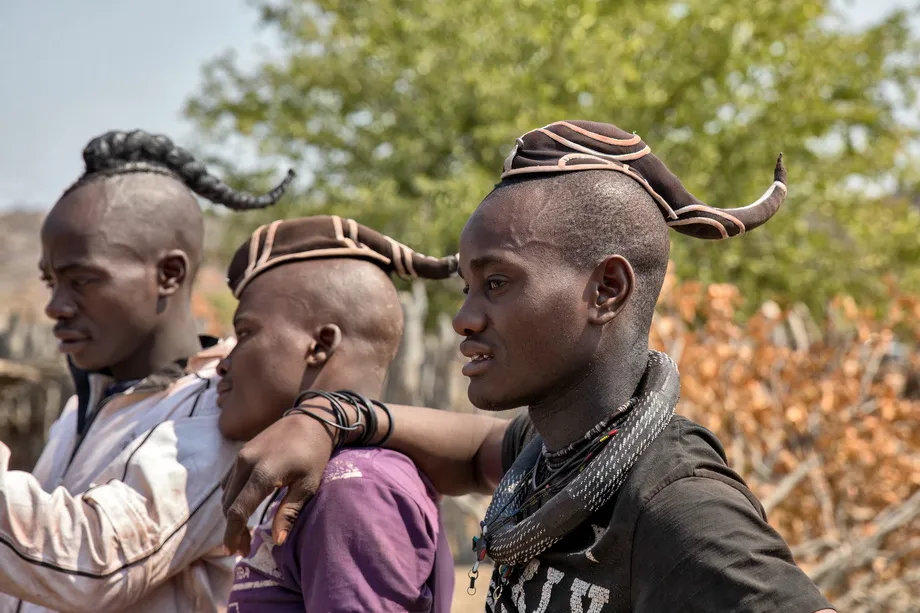
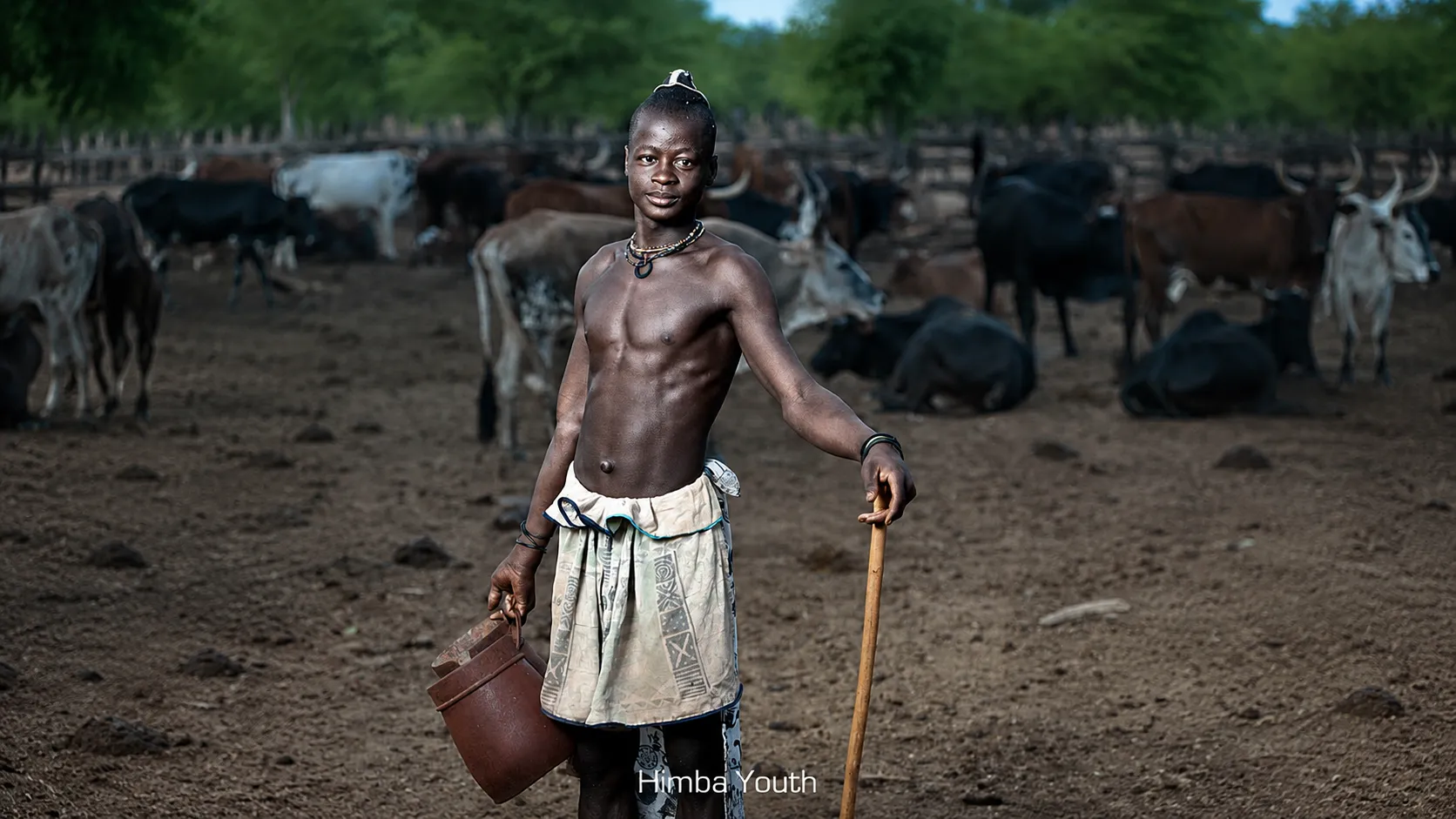
Himba men’s clothing has changed differently from women’s clothing. Cameron found that modern clothing is more accepted for Himba men than for Himba women. Some men wear shirts, pants, shoes, or other modern clothing while still identifying with Himba culture (Cameron, 2013, pp. 25–26).
Traditional male adornment can also carry meaning. Cameron notes that a necklace with a small springbok horn can show high status, while special metal bracelets can communicate a sacred connection with ancestors. Certain animal skins can also signal wealth and high social standing (Cameron, 2013, p. 24).
This is important because it shows that Himba adornment is not only a women’s subject. Men’s clothing and jewelry also help communicate rank, respect, and social identity.
Hairstyles and Life Stages
Hairstyles are another important part of Himba identity. Inman’s 2024 research found that Himba participants remembered different hairstyles for different life stages, genders, and marital statuses. Some respondents said these older distinctions are now less visible than before (Inman, 2024, section 3.2.5).
Clothing, Wealth, and Status
In many societies, wealth can be shown through money, houses, or cars. In traditional Himba life, wealth and status have long been connected to cattle, family, social position, and visible adornment.
Cameron states that Himba dress is a “key element” in how traditional Himba perceive wealth and social status (Cameron, 2013, p. 24). For example, shell necklaces, ankle cuffs, special bracelets, animal skins, and other adornments can show status in ways that outsiders may not immediately understand.
This is why Himba clothing should not be described as simple decoration. It can work like a public sign system.
TRENDING NOW


POPULAR TODAY


ADVERTISEMENT
Clothing, Gender, and Cultural Expectations
Cameron’s interviews show that modern clothing is judged differently for men and women. Many respondents accepted modern clothing for Himba men, while women’s modern clothing was often treated more cautiously, especially outside school settings (Cameron, 2013, pp. 48–53).
This does not mean Himba women have no choice or that all communities think the same way. It means clothing change is shaped by gender expectations. In Cameron’s evidence, female dress carried a stronger burden of cultural continuity.
Modern Clothing and Cultural Change
Himba clothing is changing. Cameron’s research found that younger Himba, especially those living in or exposed to Opuwo, were more likely to wear modern clothing and learn about modern fashion through school, town life, television, magazines, music, tourists, and peers (Cameron, 2013, pp. 56–62).
Inman’s 2024 research also found that dress, hairstyles, food, marriage practices, rituals, and gender roles are areas where Himba participants see cultural change. Some younger participants saw change as useful, while many older participants worried about cultural loss (Inman, 2024, sections 3.1–3.2.5).
Still, visible change does not always mean total cultural loss. Cameron concluded that the “core culture ... remained relatively stable” among many respondents, even when dress and lifestyle were changing (Cameron, 2013, p. 70).
Common Misconceptions
Himba dress is not just for tourists
Himba clothing is often photographed, but it should not be treated as a tourist image only. The research shows that adornment can carry meanings linked to identity, wealth, marriage, gender, ancestors, and cultural respect.
Himba dress is not frozen in time
Himba clothing has changed. Men’s clothing, women’s clothing, hairstyles, jewelry materials, and attitudes toward modern fashion have all shifted in some communities.
Modern clothing does not automatically erase Himba identity
Cameron’s research warns against assuming that clothing change always equals the loss of deeper values. Some Himba people may wear modern clothing while still valuing cattle, family, ancestors, village life, and Himba identity.
Reference
BYU ScholarsArchive thesis on Himba dress and cultural change
Inman’s 2024 peer-reviewed study on Himba cultural change
United Nations Namibia, “Namibia commemorates the International Day of The Worlds Indigenous People”, 2022.
ADVERTISEMENT
RELATED ARTICLE