
Scientists are studying the Hadza's traditional diet to understand how it supports one of the world's most diverse gut microbiomes and what it may reveal about modern digestive health.
Inside the World’s Healthiest Gut: Hadza Microbiome Lessons
Hadza microbiome studies reveal seasonal gut diversity, fiber-linked microbes, and clues about industrialized disease risk.
Published:
June 28, 2026 at 9:13:46 AM
Modified:
June 28, 2026 at 6:42:33 PM

The phrase “the world’s healthiest gut” makes a strong headline. It is memorable, clickable, and easy to understand. But the science behind the Hadza microbiome is more careful than that.
Researchers have not proved that the Hadza have the healthiest gut in the world. What they have shown is still remarkable: Hadza gut microbiomes studied in northern Tanzania are more diverse than some industrialized comparison groups, change with the seasons, and include microbial lineages that are rare or missing in many industrialized populations.

That makes the Hadza important to modern health research. Their gut bacteria do not offer a simple cure for obesity, diabetes, inflammatory bowel disease, or heart disease. But they do challenge one of the quiet assumptions of industrial life: that the modern gut is normal.
Who Are the Hadza?
The Hadza are an Indigenous people of northern Tanzania, especially associated with the Lake Eyasi region. In Demography and Evolutionary Ecology of Hadza Hunter-Gatherers, Nicholas Blurton Jones describes Hadza life around the “rocky hills in the eastern rift valley near Lake Eyasi” (Blurton Jones, 2016, p. 3).

For generations, many Hadza families have relied on hunting wild animals and gathering plant foods. Blurton Jones writes that most Hadza in his research period acquired the bulk of their food by “hunting wild animals and gathering wild plants” (Blurton Jones, 2016, p. 4).
This matters because the Hadza microbiome cannot be separated from Hadza food systems, movement, land, and seasonal ecology. The gut is not only a medical organ. It is also an ecological record.
Further Reading
Nicholas Blurton Jones (2016)
Demography and Evolutionary Ecology of Hadza Hunter-Gatherers
Relevant pages: Introduction, pp. 3–4
What Researchers Found in the Hadza Gut
In 2014, Stephanie Schnorr and colleagues published one of the key Hadza microbiome studies in Nature Communications. The researchers analyzed fecal microbiota from 27 Hadza hunter-gatherers and compared them with 16 urban Italian adults.
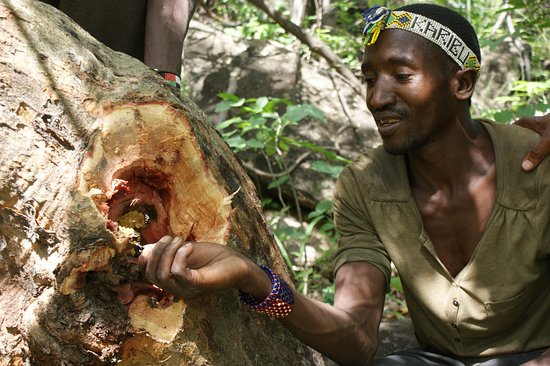
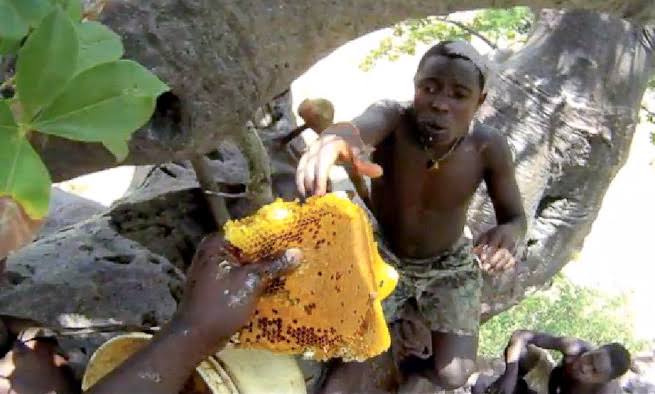
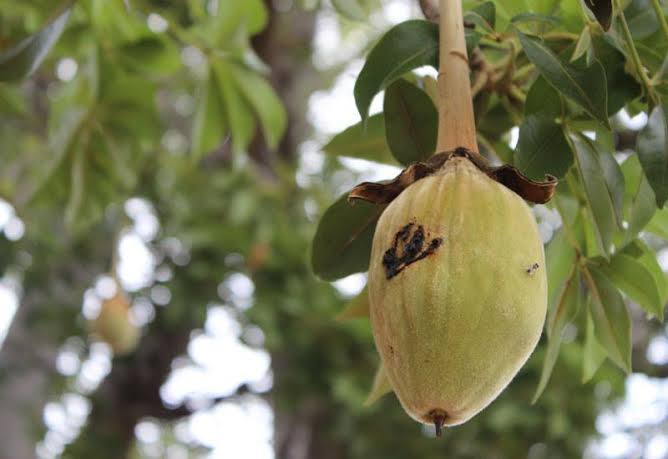
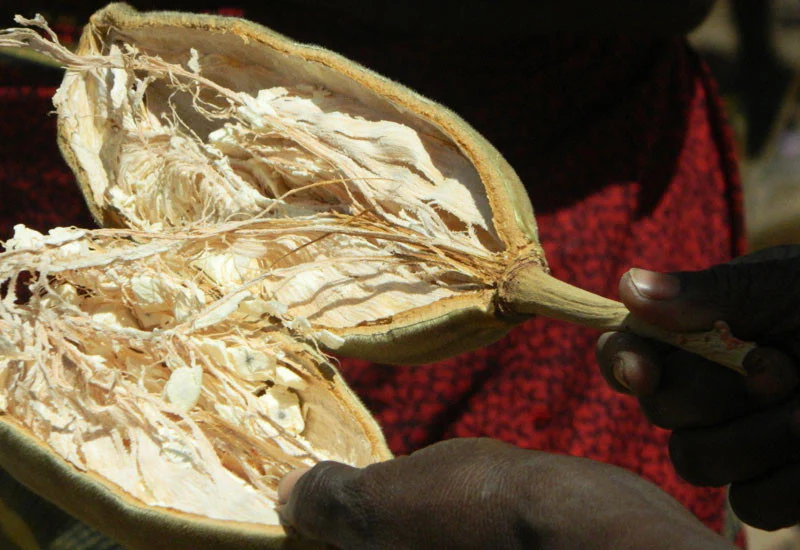
Their finding was clear: the Hadza had “higher levels of microbial richness and biodiversity” than the Italian urban controls (Schnorr et al., 2014, p. 1). The study also reported that the Hadza diet consisted of five main wild food categories: meat, honey, baobab, berries, and tubers (Schnorr et al., 2014, p. 2).
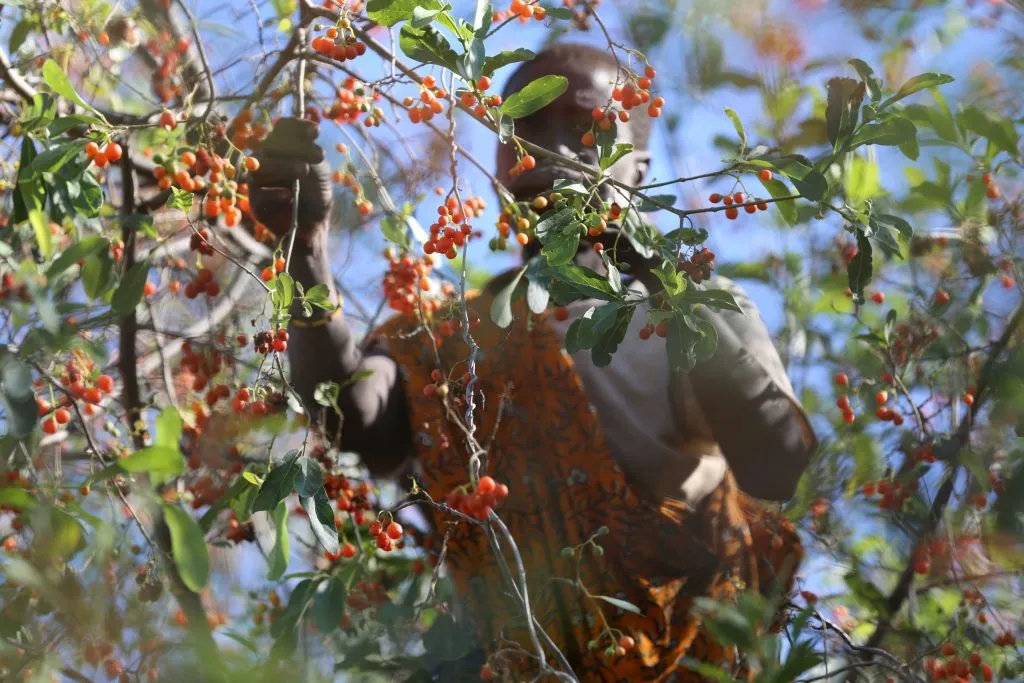
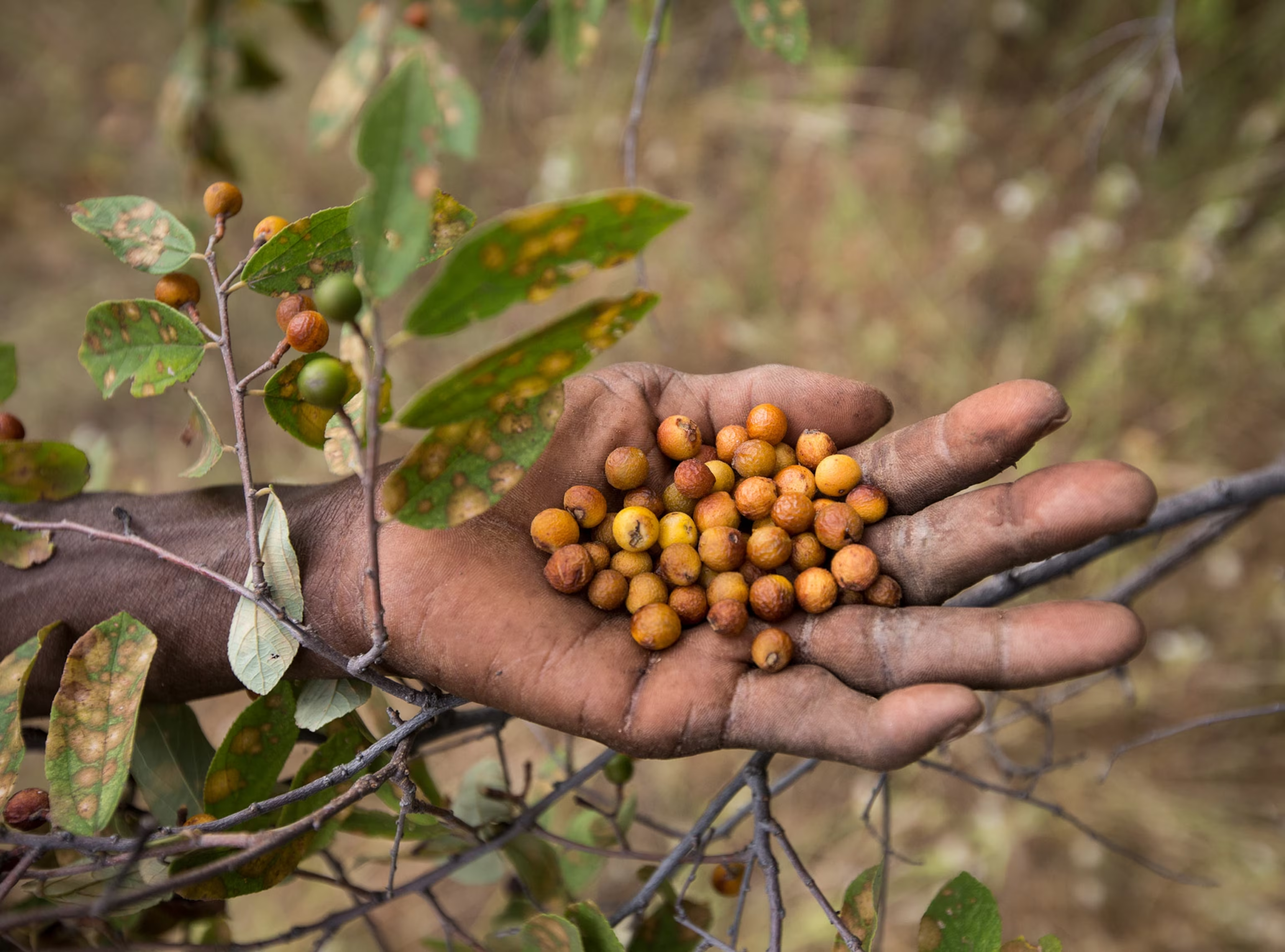
This does not mean every Hadza person has the same microbiome. It also does not mean Italian or Western microbiomes are simply “bad.” But it does show that the studied Hadza gut ecosystem was richer and more varied than the industrialized comparison group.
The same paper also found major differences in microbial composition. Hadza samples were enriched in groups such as Prevotella and Treponema, while Bifidobacterium was almost absent or depleted compared with the Italian controls (Schnorr et al., 2014, pp. 2–3).
That is important because Bifidobacterium is often marketed as a sign of gut health in industrialized settings. The Hadza data show that “healthy” cannot be reduced to one universal bacterial checklist. A microbe that looks beneficial in one food system may not play the same role in another.
Further Reading
Schnorr et al. (2014)
Gut microbiome of the Hadza hunter-gatherers
Relevant pages: 1–3, 7
A Gut That Changes With the Seasons
The most striking Hadza microbiome evidence came from Samuel Smits and colleagues in a 2017 Science study. The researchers examined 350 stool samples collected over more than a year from Hadza participants in Tanzania.
Wild Meat: Protein From the Hunt
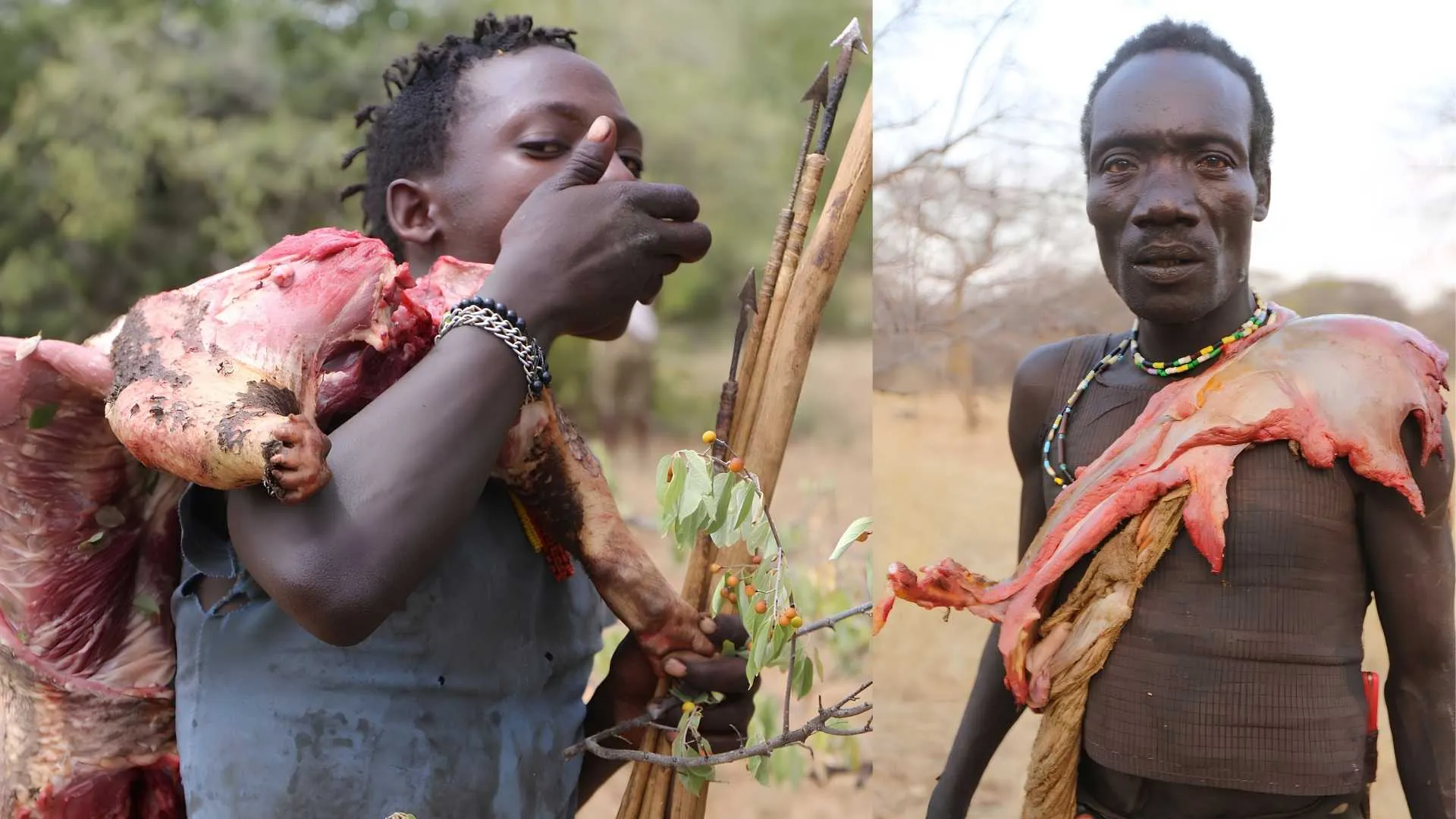
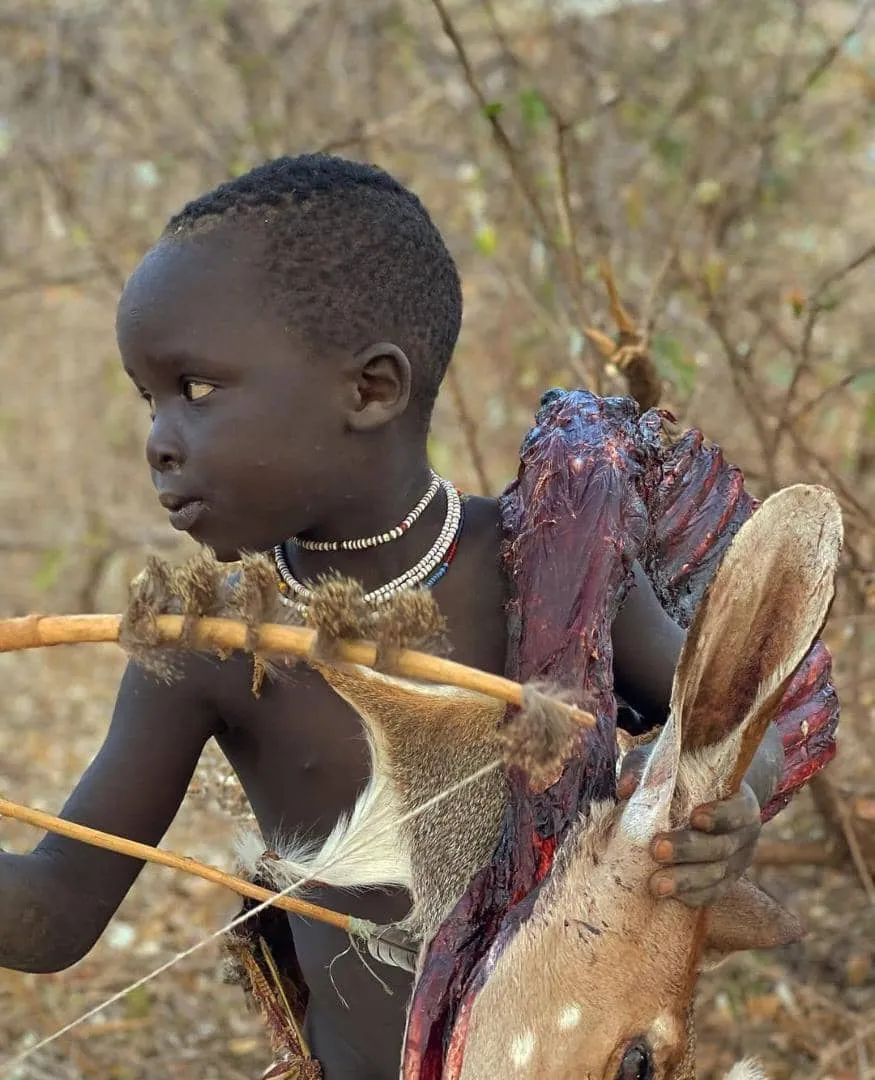
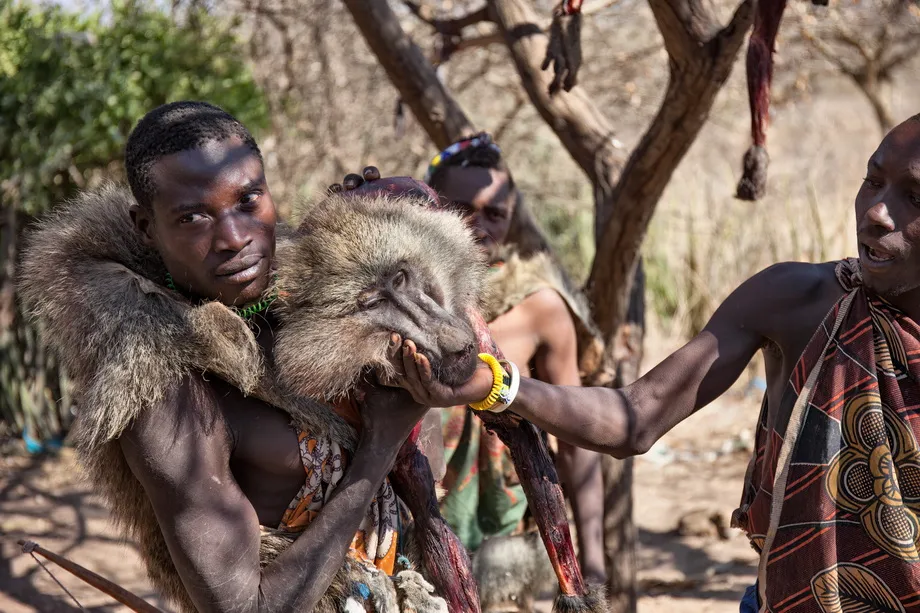
They found what they called an “annual cyclic reconfiguration of the microbiome” (Smits et al., 2017, p. 1). In simple terms, some gut microbes became hard to detect in one season and then returned in another.
This is one of the most important lessons from the Hadza research. In industrialized health culture, people often imagine the ideal gut as stable and unchanging. The Hadza findings suggest something different: a resilient gut may be one that can shift with food, season, and environment.
Smits et al. explain that Hadza activity and diet follow seasonal patterns. Berry foraging and honey consumption are more common during the wet season, while hunting is more successful during the dry season. Tubers and baobab are eaten year-round (Smits et al., 2017, p. 2).
The gut changed with that rhythm. Dry-season microbiomes showed greater phylogenetic diversity and more unique operational taxonomic units than wet-season microbiomes (Smits et al., 2017, p. 3). Bacteroidetes, especially Prevotellaceae, declined during the wet season, while other taxa showed different patterns of seasonal stability or disappearance (Smits et al., 2017, pp. 3–4).
That finding gives modern readers a different way to think about the gut. The microbiome is not just shaped by “good foods” and “bad foods.” It is shaped by ecological variety.
Further Reading
Smits et al. (2017)
Seasonal Cycling in the Gut Microbiome of the Hadza Hunter-Gatherers of Tanzania
Relevant pages: 1–5
Fiber Is Food for Microbes
One of the safest lessons from the Hadza research is the importance of complex plant foods. In the 2014 study, Schnorr et al. argued that Hadza gut microbes may help them “digest and extract valuable nutrition from fibrous plant foods” (Schnorr et al., 2014, p. 1).
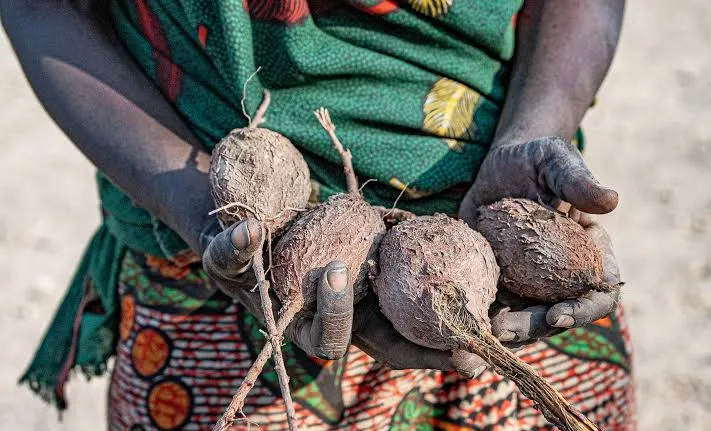
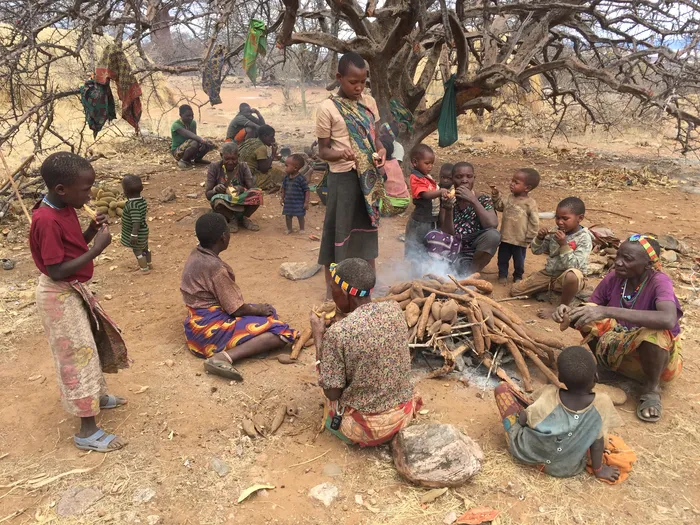
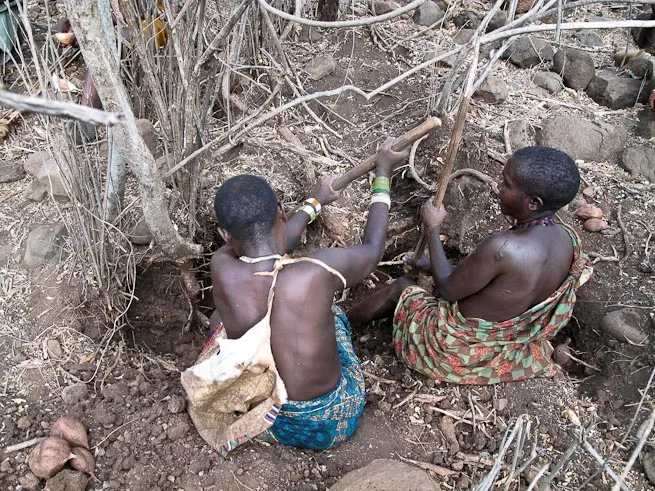
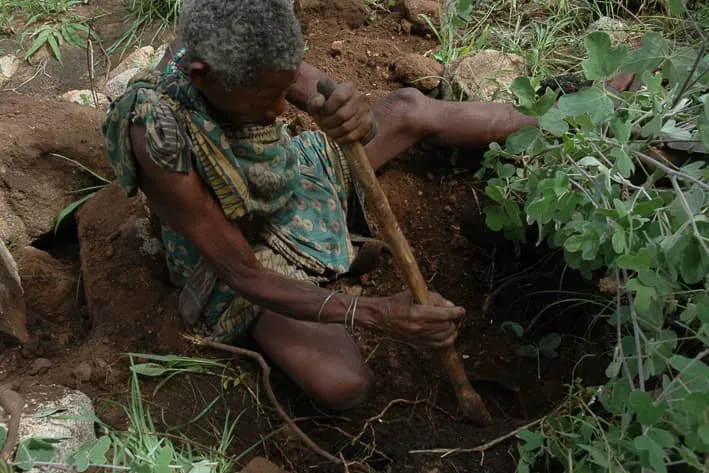
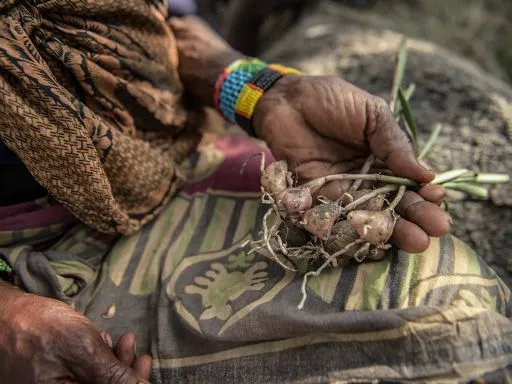
This is more than a basic point about digestion. Humans cannot break down many complex plant carbohydrates on their own. Gut microbes help convert those materials into useful compounds, including short-chain fatty acids.
Schnorr et al. reported that the Hadza gut showed features consistent with a heavily plant-based diet, including enrichment in Prevotella, Treponema, and unclassified microbial groups with potential fiber-degrading roles (Schnorr et al., 2014, p. 7). The study also notes that Hadza tubers are available and exploited year-round, even though they are ranked lower than some preferred foods (Schnorr et al., 2014, p. 7).
This helps explain why the Hadza microbiome has attracted attention in modern disease research. Many industrialized diets are low in microbiota-accessible carbohydrates. Highly processed foods can be energy-dense but poor in the complex fibers that feed a diverse microbial ecosystem.
The Hadza evidence does not prove that fiber alone prevents modern disease. Insufficient evidence found. But it does support a more specific claim: gut microbes respond to complex plant foods, and industrialized diets may reduce the ecological support that some microbes need.
Vanishing Microbes and Industrialized Life
In 2023, Matthew Carter and colleagues published a major Cell study using ultra-deep metagenomic sequencing of Hadza fecal samples. The study compared Hadza samples with populations in Nepal and California.
The researchers identified “124 gut-resident species vanishing in industrialized populations” (Carter et al., 2023, p. 3111). They also recovered 91,662 genomes of bacteria, archaea, bacteriophages, and eukaryotes, with 44% absent from existing unified datasets (Carter et al., 2023, p. 3111).
This is a major finding, but it must be handled carefully. “Vanishing” does not automatically mean every missing species is beneficial. It also does not prove that restoring those microbes would prevent disease. What it does show is that industrialized lifestyles are associated with a major shift in the human gut ecosystem.
Carter et al. also reported that industrialized gut microbes were enriched in genes associated with oxidative stress, which may reflect microbial adaptation to inflammatory processes (Carter et al., 2023, p. 3111). That points toward a possible connection between industrialization, inflammation, and microbial change, but it is not proof of direct causation.
The responsible conclusion is not that Hadza microbes are magic. It is that modern gut ecosystems may be missing microbial lineages that were once more common in human populations.
Further Reading
Carter et al. (2023)
Ultra-deep sequencing of Hadza hunter-gatherers recovers vanishing gut microbes
Relevant pages: 3111–3124.e13
What This Means for Modern Disease
Modern diseases such as obesity, type 2 diabetes, cardiovascular disease, and inflammatory bowel disease are often discussed through diet, exercise, genetics, and environment. The Hadza microbiome adds another layer: microbial ecology.
A 2016 metabolome study by Silvia Turroni and colleagues compared Hadza fecal metabolites with urban Italian controls. The authors reported that rainy-season Hadza samples showed enrichment in hexoses, glycerophospholipids, sphingolipids, and acylcarnitines, while being depleted in many common amino acids and derivatives (Turroni et al., 2016, pp. 1–2).



The study suggested that Hadza fecal metabolome patterns may reflect a gut ecosystem less rich in factors connected to inflammation-based Western diseases. But the authors were careful. They stated that whether Hadza participants actually had lower inflammation than the Italian cohort “still remains to be investigated” (Turroni et al., 2016, p. 6).
That sentence is essential. The Hadza microbiome does not prove a cure for modern disease. It gives scientists clues about what industrialized life may have changed: microbial diversity, fiber-processing capacity, seasonal flexibility, and the presence or absence of certain gut lineages.
Hadza microbiome studies raise serious questions about whether industrialized diets and environments have narrowed the microbial ecosystems that help regulate metabolism and immune function.
Further Reading
Turroni et al. (2016)
Fecal metabolome of the Hadza hunter-gatherers
Relevant pages: 1–2, 6
The Exercise Story Is Also More Complicated
Hadza research also complicates the common idea that modern disease is only caused by laziness or inactivity.
In a 2012 PLOS ONE study, Herman Pontzer and colleagues measured daily energy expenditure among Hadza adults using the doubly labeled water method. The Hadza were physically active, but their average daily energy expenditure was not significantly higher than Westerners after controlling for body size (Pontzer et al., 2012).


This finding matters for obesity debates. It suggests that modern disease cannot be explained only by people moving less. Food quality, processing, energy density, fiber loss, microbial change, sleep, stress, and inflammation may all be part of the story.
The Hadza are not a simple model to copy. They are evidence that human health works through systems.
The Hadza Are Not a Wellness Trend
There is a real danger in writing about the Hadza microbiome: turning a living people into a health metaphor.The Hadza are not a diet brand. They are a contemporary Indigenous community facing land pressure, market contact, tourism, government interventions, and nutrition transition.
Different Hadza individuals and camps may have different exposure to market foods, medicines, processed foods, and foraging opportunities. It is misleading to write as if every Hadza person today has the same gut profile recorded in earlier studies.
The better approach is respect and precision: in the studied Hadza samples, researchers found distinctive patterns of microbial diversity, seasonality, and fiber-linked functions.
What Modern Readers Can Learn
The Hadza microbiome does not tell modern readers to imitate Hadza life. Most people cannot and should not try to recreate another people’s food system.
But the research does offer clear lessons.
First, microbial diversity matters. A gut ecosystem shaped by many wild foods, seasonal change, and environmental exposure can look very different from one shaped by repetitive industrial diets.
Second, fiber is not just roughage. It is microbial food. Diets low in complex plant carbohydrates may reduce support for microbes that depend on them.
Third, stability is not the only sign of health. The Hadza gut shows seasonal change. That may be part of resilience, not a problem.
Fourth, industrialized disease may have microbial dimensions. The disappearance or reduction of certain microbes may be one part of a larger story involving processed foods, antibiotics, sanitation, land separation, and reduced ecological exposure.
Finally, the Hadza research should produce humility. The modern gut may not be the default human gut. It may be a narrowed version of what human microbial life can be.
The Hadza gut is not a miracle cure. It is a scientific mirror.
It reflects how different the human microbiome can look when shaped by seasonal foods, wild plant fibers, movement, and environmental contact. It also reflects what industrialized life may have reduced: microbial diversity, ecological flexibility, and some gut-resident species that once may have been more common.
The strongest lesson is not to romanticize the Hadza. It is to take the evidence seriously. Modern disease may not begin only in calories, genes, or exercise habits. Part of the story may begin in the quiet loss of microbial worlds inside us.
Other references:
Nature Communications: Gut microbiome of the Hadza hunter-gatherers
Science author manuscript: Seasonal cycling in the Hadza gut microbiome
Tags
Keep Reading


