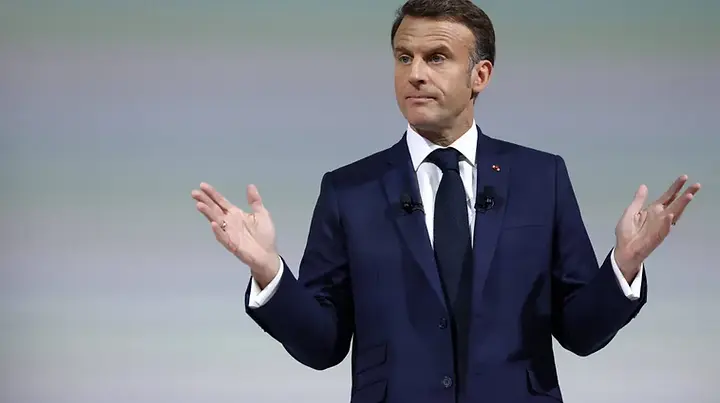
The global debate over reparations for transatlantic slavery is intensifying, with new diplomatic signals emerging after Ghana said France is open to dialogue on the issue following talks between President John Dramani Mahama and French President Emmanuel Macron as cited by Reuters.
The discussions, held in Paris last week, come amid growing international pressure led by African and Caribbean nations seeking accountability for centuries of exploitation. Ghana’s Foreign Minister Samuel Okudzeto Ablakwa said France indicated a willingness to engage in “open and honest dialogue,” potentially covering areas such as the return of looted artefacts, economic inequalities and structural racism.
While French officials confirmed that talks included efforts to return culturally significant objects and human remains, they did not explicitly endorse broader reparations measures. The cautious tone reflects a wider European stance, where acknowledgment of historical responsibility has not translated into formal compensation frameworks.
Momentum for reparations has been building globally, particularly after a Ghana-led resolution at the United Nations last month formally recognized slavery as the “gravest crime against humanity” and called for reparative justice. However, France and several European countries abstained, citing concerns about how such resolutions frame historical crimes.
The issue remains deeply contested. France recognized transatlantic slavery as a crime against humanity in 2001, yet like most European nations, it has not issued a formal apology or committed to reparations. Between the 15th and 19th centuries, at least 12.5 million Africans were forcibly transported across the Atlantic, with France responsible for an estimated 1.3 million of those enslaved.
As calls for reparations gain traction, they are increasingly shaping diplomatic relations between Africa and Europe, highlighting unresolved historical grievances while raising complex legal, political and economic questions about accountability in the modern era.
DRC PEACE EFFORT
WHY slavery reparations debate is gaining global momentum

Apr 14, 2026
May 15, 2026
2 min read
Published
Updated:
The global debate over reparations for transatlantic slavery is intensifying, with new diplomatic signals emerging after Ghana said France is open to dialogue on the issue following talks between President John Dramani Mahama and French President Emmanuel Macron as cited by Reuters.
The discussions, held in Paris last week, come amid growing international pressure led by African and Caribbean nations seeking accountability for centuries of exploitation. Ghana’s Foreign Minister Samuel Okudzeto Ablakwa said France indicated a willingness to engage in “open and honest dialogue,” potentially covering areas such as the return of looted artefacts, economic inequalities and structural racism.
ADVERTISEMENT
While French officials confirmed that talks included efforts to return culturally significant objects and human remains, they did not explicitly endorse broader reparations measures. The cautious tone reflects a wider European stance, where acknowledgment of historical responsibility has not translated into formal compensation frameworks.
Momentum for reparations has been building globally, particularly after a Ghana-led resolution at the United Nations last month formally recognized slavery as the “gravest crime against humanity” and called for reparative justice. However, France and several European countries abstained, citing concerns about how such resolutions frame historical crimes.
The issue remains deeply contested. France recognized transatlantic slavery as a crime against humanity in 2001, yet like most European nations, it has not issued a formal apology or committed to reparations. Between the 15th and 19th centuries, at least 12.5 million Africans were forcibly transported across the Atlantic, with France responsible for an estimated 1.3 million of those enslaved.
ADVERTISEMENT
As calls for reparations gain traction, they are increasingly shaping diplomatic relations between Africa and Europe, highlighting unresolved historical grievances while raising complex legal, political and economic questions about accountability in the modern era.
ADVERTISEMENT
TRENDING NOW


POPULAR TODAY


ADVERTISEMENT
RELATED ARTICLE


