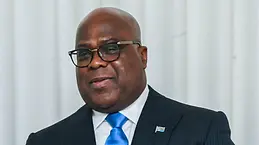
Kinshasa, July 1, 2026 — Democratic Republic of Congo government spokesperson Patrick Muyaya has accused Rwandan President Paul Kagame of preventing the implementation of the U.S.-brokered peace agreement between Kinshasa and Kigali, arguing that Rwanda's military actions have repeatedly undermined efforts to restore stability in eastern DRC.
Speaking in an interview with France 24's Marc Perelman, Muyaya said the security component of the agreement has stalled primarily because Rwanda continued military operations even after signing the accord.
Rwanda Accused of Undermining the Peace Process
Responding to comments by U.S. Special Envoy Massad Boulos, who recently told the UN Security Council that neither side had fully implemented the agreement's security provisions, Muyaya rejected the idea that both countries bear equal responsibility.
According to him, the Congolese government has remained committed to the peace process since negotiations began in July 2022, while Rwanda has repeatedly disrupted implementation through military operations in eastern Congo.
Muyaya pointed to events immediately following the signing of the Washington peace agreement on December 4, 2025.
He said that while the agreement was intended to de-escalate the conflict, an offensive allegedly launched from Rwanda targeted the city of Uvira just days later.
Since the agreement was signed, there has never truly been political will. Today it is clear that if we have not advanced in implementing the agreement, particularly its security component, it is essentially because of the actions of President Kagame and his forces in eastern Democratic Republic of Congo," Muyaya said.
Kinshasa Says FDLR Is Being Used as a Pretext
Rwanda has consistently maintained that its security concerns stem from the presence of the Democratic Forces for the Liberation of Rwanda (FDLR) in eastern Congo.
JUSTICE & CRIME
Muyaya Says Kagame's Actions Are Stalling the Peace Deal

Jul 1, 2026
Jul 1, 2026
5 min read

Published
Updated:
Kinshasa, July 1, 2026 — Democratic Republic of Congo government spokesperson Patrick Muyaya has accused Rwandan President Paul Kagame of preventing the implementation of the U.S.-brokered peace agreement between Kinshasa and Kigali, arguing that Rwanda's military actions have repeatedly undermined efforts to restore stability in eastern DRC.
Speaking in an interview with France 24's Marc Perelman, Muyaya said the security component of the agreement has stalled primarily because Rwanda continued military operations even after signing the accord.
Rwanda Accused of Undermining the Peace Process
Responding to comments by U.S. Special Envoy Massad Boulos, who recently told the UN Security Council that neither side had fully implemented the agreement's security provisions, Muyaya rejected the idea that both countries bear equal responsibility.
According to him, the Congolese government has remained committed to the peace process since negotiations began in July 2022, while Rwanda has repeatedly disrupted implementation through military operations in eastern Congo.
Muyaya pointed to events immediately following the signing of the Washington peace agreement on December 4, 2025.
He said that while the agreement was intended to de-escalate the conflict, an offensive allegedly launched from Rwanda targeted the city of Uvira just days later.
Since the agreement was signed, there has never truly been political will. Today it is clear that if we have not advanced in implementing the agreement, particularly its security component, it is essentially because of the actions of President Kagame and his forces in eastern Democratic Republic of Congo," Muyaya said.
Kinshasa Says FDLR Is Being Used as a Pretext
Rwanda has consistently maintained that its security concerns stem from the presence of the Democratic Forces for the Liberation of Rwanda (FDLR) in eastern Congo.
ADVERTISEMENT
However, Muyaya dismissed that argument, describing it as a long-standing justification that no longer reflects realities on the ground.
He argued that reports from Human Rights Watch, United Nations experts, and foreign intelligence services have concluded that the remaining FDLR elements no longer pose a strategic threat capable of justifying Rwanda's military presence inside Congolese territory.
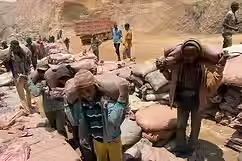
Instead, Muyaya alleged that the continued conflict is linked to the exploitation of eastern Congo's mineral resources.
Progress Delayed Despite Joint Mechanisms
The Congolese minister explained that both countries, together with U.S. mediators, had identified six areas where FDLR elements were believed to be present.
According to him, initial sensitization efforts had already begun before renewed fighting interrupted the implementation schedule.
He noted that security coordination meetings planned for late 2025 were delayed following the fighting around Uvira, with the first meeting of the Joint Security Coordination Mechanism only taking place in February 2026.
ADVERTISEMENT
Kinshasa argues these delays prevented meaningful implementation of the agreement.
Calls for Stronger U.S. Pressure
Muyaya also welcomed recent U.S. sanctions against Rwandan military officials and entities accused of supporting armed groups operating in eastern Congo.
However, he suggested Washington could take additional measures if Rwanda continues violating the agreement.
He said the United States possesses significant diplomatic leverage and urged American authorities to use all available tools to ensure commitments made during the Washington peace process are respected.
According to Muyaya, achieving lasting peace remains an urgent priority for millions of Congolese civilians affected by displacement, insecurity, and humanitarian crises in eastern DRC.
Trending Now


Popular Today


ADVERTISEMENT
ICJ Case Part of Broader Accountability Strategy
The minister also defended the DRC's recent decision to file a case against Rwanda at the International Court of Justice (ICJ), arguing that judicial action complements diplomatic efforts.
He said Kinshasa is seeking both international accountability for alleged violations committed since 1996 and guarantees that similar acts will not be repeated in the future.
Muyaya added that while the ICJ case targets Rwanda as a state, other international investigations continue examining the potential responsibility of individuals allegedly involved in crimes committed during the conflict.
Peace Remains the Priority
Despite the continued tensions, Muyaya insisted that the Congolese government remains committed to a negotiated solution.
He said restoring peace in eastern DRC requires not only diplomatic agreements but also genuine political commitment from all parties involved.
According to the minister, the success of the Washington peace agreement now depends on ending military operations, respecting existing commitments, and ensuring accountability for actions that continue to fuel instability in the Great Lakes region.
ADVERTISEMENT
Related Articles