If you think Namibia has a monopoly on epic dunes and desert adventures, think again. Angola’s slice of the Namib Desert is the cool secret spot only the savviest locals know about. Stretching along Angola’s southwest coast, this ancient desert is an untouched gem where you can roam empty golden dunes, encounter nomadic tribes, and camp under a billion stars with zero light pollution. In fact, Angola is just now emerging on travelers’ radars as “Africa’s untouched gem” even CNN hopped on the bandwagon in 2025, highlighting how off-grid and special this place is.
Touring the Namib Desert from the Angola side means adventure with an insider twist: you’ll do it the local way, with local people, and on local turf that few outsiders have seen. Ready to ditch the tourist convoy and become an eco-tourist explorer?
Here’s how to experience Angola’s Namib like a true local (with a dash of comfort and plenty of wit).
1. Hire Local Guides to Unlock Iona’s Secrets
The Iona National Park is Angola’s portion of the Namib Desert a sprawling wilderness of dunes, mountains, and surreal landscapes so remote that road signs basically say “good luck”. To truly unlock Iona’s secrets, team up with a local guide or community-run tour.
Trust us: you’ll need a 4x4 . Local guides know the shifting sands like their backyard, from the safest river crossings to the hidden waterholes where desert oryx and springboks graze. They’ll help you find Lion’s Cave, track elusive desert elephants, and navigate by the stars if needed all while regaling you with local lore in Portuguese (with some laughs in between). “Iona, Angola… you are harsh but damn beautiful,” one overlander quipped after tackling the park’s trails, marveling at how much a knowledgeable guide can reveal.
Price:
Entry to Iona is about 5,000 Kz (~$6) per person plus 4,000 Kz (~$5) per vehicle a small price to pay for traversing a land that feels like Mars on Earth. Multi-day guided safaris aren’t cheap (an 8-day southern Angola adventure runs around $3,200 (≈2.6 million Kz) per person), but every dollar supports local communities and makes your journey safer and richer.
Local tip:
Go with guides who grew up in Namibe province. They not only know every dune and coastal tide schedule, but often are part of desert communities themselves. In one 2025 journey, park manager Pedro Monterosso (a Namibe native) and driver Mauro expertly guided visitors across Iona’s tricky coastal flats and roaring dunes, timing the route with the rare low tides.
TRAVEL TIPS
How to Tour the Namib Desert Like a Local (Angola Side)

Dec 20, 2025
May 15, 2026
16 min read

Published
Updated:
If you think Namibia has a monopoly on epic dunes and desert adventures, think again. Angola’s slice of the Namib Desert is the cool secret spot only the savviest locals know about. Stretching along Angola’s southwest coast, this ancient desert is an untouched gem where you can roam empty golden dunes, encounter nomadic tribes, and camp under a billion stars with zero light pollution. In fact, Angola is just now emerging on travelers’ radars as “Africa’s untouched gem” even CNN hopped on the bandwagon in 2025, highlighting how off-grid and special this place is.
Touring the Namib Desert from the Angola side means adventure with an insider twist: you’ll do it the local way, with local people, and on local turf that few outsiders have seen. Ready to ditch the tourist convoy and become an eco-tourist explorer?
Here’s how to experience Angola’s Namib like a true local (with a dash of comfort and plenty of wit).
1. Hire Local Guides to Unlock Iona’s Secrets
The Iona National Park is Angola’s portion of the Namib Desert a sprawling wilderness of dunes, mountains, and surreal landscapes so remote that road signs basically say “good luck”. To truly unlock Iona’s secrets, team up with a local guide or community-run tour.
Trust us: you’ll need a 4x4 . Local guides know the shifting sands like their backyard, from the safest river crossings to the hidden waterholes where desert oryx and springboks graze. They’ll help you find Lion’s Cave, track elusive desert elephants, and navigate by the stars if needed all while regaling you with local lore in Portuguese (with some laughs in between). “Iona, Angola… you are harsh but damn beautiful,” one overlander quipped after tackling the park’s trails, marveling at how much a knowledgeable guide can reveal.
Price:
Entry to Iona is about 5,000 Kz (~$6) per person plus 4,000 Kz (~$5) per vehicle a small price to pay for traversing a land that feels like Mars on Earth. Multi-day guided safaris aren’t cheap (an 8-day southern Angola adventure runs around $3,200 (≈2.6 million Kz) per person), but every dollar supports local communities and makes your journey safer and richer.
Local tip:
Go with guides who grew up in Namibe province. They not only know every dune and coastal tide schedule, but often are part of desert communities themselves. In one 2025 journey, park manager Pedro Monterosso (a Namibe native) and driver Mauro expertly guided visitors across Iona’s tricky coastal flats and roaring dunes, timing the route with the rare low tides.
That kind of desert savvy only comes from living there! Plus, local guides can translate when you meet villagers and ensure your visit respects local customs. Angola’s tourism is still very young “this is not a country prepared for tourism,” one traveler noted so having an insider by your side is priceless. You’ll get you to the coolest spots safely (and maybe even be invited to a home-brewed beer by your guide’s family afterward). In short, hiring a local expert turns a daunting desert into an open-air playground. Insider vibe: You’re not just a tourist; you’re a guest in their backyard, so listen and learn. By trip’s end, you’ll be swapping stories in broken Portuguese and high-fiving your guide as the Namib sun sets over the dunes agora somos família! (now we’re family).
2. Camp Where the Desert Meets the Atlantic

ADVERTISEMENT
There’s roughing it, and then there’s camping on a beach where giant sand dunes plunge into the Atlantic Ocean Angolan style. Along the coast of Namibe province, the Namib Desert literally ends in the sea, creating a jaw-dropping collision of sand and surf. Locals and in-the-know adventurers love to set up camp here, falling asleep to ocean waves on one side and silent dunes on the other.
One minute you’re sandboarding down a golden slope, the next you’re splashing in cold Atlantic waters talk about contrast! At spots like Baía dos Tigres, an eerie abandoned fishing village on an island cut off by shifting sands, you can wander ghost-town ruins and have a picnic where seagulls and jackals are your only company. And if you prefer a bit more structure, Flamingo Lodge is a legendary local hideaway on the desert coast: a rustic eco-lodge with nine bungalows and campsites perched above the beach. Here you’ll wake up to dolphins off the shore and flamingos in the lagoon, then enjoy fresh-caught fish for dinner on the porch as the sun sinks into the ocean.
Price:
Wild beach camping is blissfully free (just pack out everything!), but if you opt for Flamingo Lodge’s comfort, budget roughly $80 (≈65,000 Kz) per night for a bungalow with meals. Not bad for an unplugged paradise where your “front yard” is endless sand and sea.
Local tip:
Time your coastal adventures with the tides. Locals know that certain routes like the drive to Tigres Island or along remote beaches are only passable at low tide. They’ll deflate the 4x4’s tires (to float on soft sand) and follow the fishermen’s tracks. Tag along or hire a local driver if you’re unsure; getting stuck in quicksand-like salt flats is not on your to-do list. Also, bring layers! The Benguela Current makes desert nights chilly and foggy mornings common that means you might need a fleece after you’ve been sunbathing at noon.
In the evening, crack open a cold Cuca beer (Angola’s favourite brew) or a ginguba (roasted peanut) snack around the campfire. There’s nothing like sipping a cerveja as the sky turns pink over the dunes as one traveler posted after a beach cookout, “You gotta love Angola! I call this lunch with a view Pro Max,” soaking in a scene of dunes meeting ocean on Instagram. Indeed, the serene beauty of Namibe’s desert meeting the waves will make you pinch yourself and probably inspire a poetic social media post of your own. Just remember to tag it #NoFilter because honestly, nature already did the filtering for you.
3. Experience Nomadic Life with Desert Tribes

Touring the Namib like a local isn’t just about landscapes it’s about the people who call this desert home. In the far southwest of Angola, you’ll encounter semi-nomadic tribes like the Mucubal (Mucubai) and Himba who have thrived here for centuries. Visiting a desert village is like stepping into a living museum (minus the glass cases): you’ll see Mucubal women wearing their traditional ompota headdresses and stunning ochre body paint, and Himba families tending cattle and cooking over open fires, much as their ancestors did. This isn’t a packaged “cultural show” it’s real life. In fact, north of the Cunene River (which separates Angola from Namibia), Himba communities are “hardly discovered” by tourism and remain incredibly authentic.
You might arrive at a homestead at milking time or during a casual afternoon, and be welcomed with shy smiles, curious stares, and eventually warm laughter once ice is broken. Local guides are crucial here to translate and ensure both you and your hosts feel at ease. Don’t be surprised if a Himba matriarch sizes you up, then decides to smear a bit of red ochre paste on your arm a friendly blessing from a culture that sees beauty in rich earthy red.
Price:
Be prepared to pay a community visit fee (often about 3,000–5,000 Kz (~$4-6) per group) or bring small gifts like salt, sugar, or useful goods. It’s a respectful way to support the community and say obrigado for their time. Hiring a translator or local fixer may cost around $50 (≈41,000 Kz) for a day, but it’s worth every penny for an enriching cross-cultural encounter.
ADVERTISEMENT
Local tip:
Respect and patience are the name of the game. Desert tribes may live far from modern cities, but they’re nobody’s tourist props they’re proud people with deep knowledge of the land. Approach with a learning mindset: ask before snapping photos (your guide can help ask in local dialect), and don’t be offended if not everyone is eager to meet you. Often, starting simple helps: try a few words of Portuguese (many locals speak some due to Angola’s official language) or even a local greeting (like “Moro” in Oshiwambo, spoken by some groups).
Showing interest in their daily tasks whether it’s goat herding, crafting jewelry from ostrich eggshell, or styling that intricate ochre hairstyle will lead to more genuine interactions than treating it like a zoo. One traveler from 2025 recalled sharing millet porridge under a tree with a Mucawal clan, communicating through smiles and hand gestures a humble moment far richer than any staged tourist village.
Also, be ready for surprises: you could end up dancing to a traditional desert rhythm or learning to grind maize on a stone. Roll with it! By evening, you might camp nearby and fall asleep to the distant sound of tribal singing under the stars. These human connections fleeting but heartfelt are what “touring like a local” is all about. You’ll leave with a deeper appreciation of how these communities flourish in such a harsh environment, and perhaps a new friend or two (plus a few handmade bracelets to remember them by).
4. Chase Ancient Wonders Hidden in the Sands

When locals tour their own desert, they don’t rush from dune to dune they know the Namib is full of ancient wonders waiting quietly off the main track. Take some time to seek out the desert’s subtle but mind-blowing attractions that most tourists miss. One must-see is the Welwitschia mirabilis, a freaky-looking plant that’s basically a living fossil. With just two leaves that grow continuously and tangle upon themselves, welwitschias can live for well over 1,000 years in the Namib’s harsh climate.

Angolans are so proud of this resilient plant that they even named a sports arena after it! Spotting a giant welwitschia (some are 1.5 meters tall and over 3 meters wide) in Angola’s Namibe province is like meeting a wise old desert guardian. Ask your guide or a park ranger to show you a cluster – they’re often found in dry riverbeds or rocky plains. It’s humbling to stand next to a plant that germinated around the time of the Middle Ages and is still kicking today, thanks to fog and a “never say die” attitude.
Local tip:
Please don’t touch or trample these plants they’re endangered and slow-growing. Marvel from a respectful distance, and you’ll get all the good vibes knowing these green grandpas appreciate it.


POPULAR TODAY


ADVERTISEMENT
5. Sleep Under a Million Stars for the Full Experience
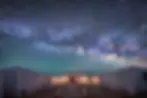
Finally, to tour the Namib Desert like a local, you must spend a night (or three) under its starry skies. City folk in Luanda will tell you: even they dream of escaping to the desert for the clearest Milky Way views and tranquil nights. When you camp out here, the silence is so deep you can hear your own heartbeat literally nothing but perhaps a faint desert breeze. (“When’s the last time you heard… nothing?” one amazed adventurer marveled amid Angola’s Curoca Red Rocks.) As the sun sets, the sand cools and an absurd number of stars pop out. With zero light pollution, the Namib night sky looks like a planetarium on steroids you’ll see constellations you didn’t know existed.
Locals often forego tents entirely on dry nights, preferring to lay a mat on a dune and sleep in the open, a practice called “dune bedding.” If you’re not keen on sharing your bedroll with beetles, by all means use a tent… but do step out in the middle of the night and look up. You might catch the Magellanic Clouds (dwarf galaxies visible in the Southern Hemisphere) or a shooting star zipping across Orion’s Belt.
Price:
Desert camping is typically low-cost or free. In Iona National Park, there are a few designated campsites where rangers might charge a token fee (say, 2,000–5,000 Kz, ~$3-6 per night). Otherwise, if wild camping on the fly, it’s just you and Mother Nature’s hotel the “million-star accommodation” as locals joke.
Local tip:
Be prepared for extreme conditions at night. The same desert that hits 40°C (104°F) by day can drop to below 10°C (50°F) by late night. Do as locals do: bring layers, a wool hat, and sip some caporoto (a homemade distilled spirit) for a bit of warmth if you’re feeling brave. Also, position your camp on high ground away from dry riverbeds flash floods are rare but not impossible if there were rains in distant mountains. Before you sleep, take a moment to absorb the surreal silence and the glow of the dunes under moonlight.
It’s in these moments that the magic of the Namib really sinks in. You’ll understand why so many travelers come back from Angola absolutely enchanted. One influencer recently wrote, “UNBELIEVABLE… Angola deserves more recognition as a tourism destination!” and it’s on these starry nights that you’ll wholeheartedly agree. In the morning, you might even wake to tiny desert geckos skittering around your campsite or the soft footprints of an overnight jackal visitor. Rather than an alarm clock, it’s the first light of dawn painting the dunes that gently rouses you a natural wake-up call no five-star resort can match. Pack up your tent, shake the sand out of your shoes, and get ready for another day of desert adventure, local-style.
Touring the Namib Desert from Angola’s side is about immersing yourself in an experience that’s equal parts rugged and soulful. You’ll return with red dust in your backpack, perhaps a sunburned nose, and definitely a changed outlook on what “travel” means.
In Angola’s Namib, there are no tourist crowds or fancy gift shops just welcoming locals, ancient landscapes, and genuine encounters. Remember to greet people with a friendly “Olá”, support local businesses (that roadside grilled goat meat or bag of ginguba peanuts goes a long way), and leave every place as pristine as you found it.
The desert has looked after the people here for millennia, and if you tour it with respect and curiosity, it will look after you too. As the Angolans say, “Quem come da terra, da terra tem vida” who eats from the earth, from the earth has life. Treat the Namib Desert like the life-giving wonder it is, and you’ll unlock travel moments that no algorithm or guidebook could ever dream up. Enjoy the journey, vá com Deus (go with God)… and don’t forget to brag to your friends that you experienced the Namib Desert the true local way barefoot, star-struck, and grinning from ear to ear. Safe travels and até à próxima (until next time)!
ADVERTISEMENT
RELATED ARTICLE