The government of the Democratic Republic of the Congo has advanced a $491.3 million financing package intended to support women entrepreneurs, small businesses, education, healthcare and nutrition programmes.
The package consists of $475 million in loans and $16.3 million in grants from the International Development Association, the World Bank institution that provides concessional financing to lower-income countries.
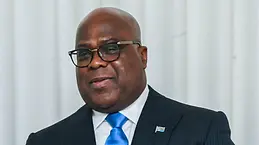
The relevant texts were examined during the 96th meeting of the Council of Ministers, chaired by President Félix Tshisekedi. Finance Minister Doudou Fwamba presented the draft ordinance-laws authorising the ratification of the loan agreements and the ordinance approving the two grants.
$200 million for women entrepreneurs and small businesses
The first allocation provides $200 million in additional financing for TRANSFORME, a programme supporting women entrepreneurs and micro, small and medium-sized enterprises.
The project is designed to help businesses strengthen their operations, improve competitiveness and contribute to economic transformation and employment.
For Congolese women who face difficulties accessing financing, business services and formal markets, the programme could create new opportunities to establish or expand their enterprises.
Another $200 million for education
A second $200 million loan is intended for additional financing under the Emergency Equity and System Strengthening in Education Project, commonly known as PERSE.
The programme aims to improve access to education and reinforce the quality and resilience of the Congolese school system.
BUSINESS & INVESTMENT
DRC Advances $491.3M Package for Education, Health and Businesses

Aug 18, 2026
Aug 18, 2026
3 min read

Published
Updated:
The government of the Democratic Republic of the Congo has advanced a $491.3 million financing package intended to support women entrepreneurs, small businesses, education, healthcare and nutrition programmes.
The package consists of $475 million in loans and $16.3 million in grants from the International Development Association, the World Bank institution that provides concessional financing to lower-income countries.
The relevant texts were examined during the 96th meeting of the Council of Ministers, chaired by President Félix Tshisekedi. Finance Minister Doudou Fwamba presented the draft ordinance-laws authorising the ratification of the loan agreements and the ordinance approving the two grants.
ADVERTISEMENT
$200 million for women entrepreneurs and small businesses
The first allocation provides $200 million in additional financing for TRANSFORME, a programme supporting women entrepreneurs and micro, small and medium-sized enterprises.
The project is designed to help businesses strengthen their operations, improve competitiveness and contribute to economic transformation and employment.
For Congolese women who face difficulties accessing financing, business services and formal markets, the programme could create new opportunities to establish or expand their enterprises.
ADVERTISEMENT
Another $200 million for education
A second $200 million loan is intended for additional financing under the Emergency Equity and System Strengthening in Education Project, commonly known as PERSE.
The programme aims to improve access to education and reinforce the quality and resilience of the Congolese school system.
The financing could help the government address persistent challenges involving educational infrastructure, learning conditions, administration and access to schooling. The precise provincial distribution and implementation timetable have not yet been publicly detailed.


Popular Today


ADVERTISEMENT
$91.3 million for healthcare and nutrition
Healthcare and nutrition programmes are expected to receive a combined $91.3 million.
This includes a $75 million loan for the Multisectoral Nutrition and Health Project, known as PMNS. Two additional grants, worth $6.3 million and $10 million—will support the same programme.
The health and nutrition component is particularly important as the DRC continues to face maternal and child malnutrition, shortages in essential healthcare services and repeated public-health emergencies.
ADVERTISEMENT
Related Articles