The reported killing of Iran’s Supreme Leader Ayatollah Ali Khamenei in a US–Israeli strike appears to have been designed not as a single decapitation attack, but as the opening move in a broader campaign, according to details published by the BBC.
The strike followed months of surveillance and intelligence monitoring of senior Iranian figures. US and Israeli officials had reportedly been watching for an opportunity when key leaders would be gathered at the same location. That moment came when intelligence indicated Khamenei would be present at a compound in central Tehran on Saturday morning.
According to the report, intelligence was shared with Israel, which carried out the strike using jets capable of launching long-range munitions. The timing was unusual around 09:40 local time suggesting the decision was made to act on a narrow operational window rather than wait for a more conventional overnight attack.
Rather than a single-target operation, the strike coincided with attacks on other locations in Tehran. Iranian authorities confirmed the deaths of three senior defence officials, including Defence Council secretary Ali Shamkhani, Defence Minister Brig Gen Aziz Nasirzadeh and IRGC commander Gen Mohammad Pakpour.
The report indicates the operation may have relied on months of tracking, potentially including technical surveillance and analysis of movement patterns. During previous clashes linked to Iran’s nuclear programme, Israeli operations reportedly used telecommunications penetration and mobile tracking to build what analysts describe as a “pattern of life” assessment of key figures.
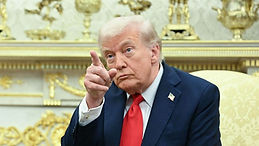
US President Donald Trump, who monitored developments from Mar-a-Lago, referenced “highly sophisticated tracking systems” in a social media post, without disclosing details of the intelligence methods used.
The structure of the operation
US intelligence support and Israeli execution reflects what analysts describe as a division of labour, with Israel focusing on leadership targets while the US concentrates on broader military objectives.
Crucially, the strike is framed as the beginning of a wider campaign. The forward notice of Khamenei’s reported movements enabled planning beyond a single leadership strike, suggesting follow-on actions were already under consideration.
Iranian authorities have indicated succession planning had been prepared in advance, raising questions about how quickly new leadership structures will be formalised and how Tehran will respond militarily or diplomatically.
BREAKING INTERNET MOMENTS
Iran’s constitutional succession process now in focus after strike

2 mars 2026
15 mai 2026
3 min read

Publié
Mis à jour:
The reported killing of Iran’s Supreme Leader Ayatollah Ali Khamenei in a US–Israeli strike appears to have been designed not as a single decapitation attack, but as the opening move in a broader campaign, according to details published by the BBC.
The strike followed months of surveillance and intelligence monitoring of senior Iranian figures. US and Israeli officials had reportedly been watching for an opportunity when key leaders would be gathered at the same location. That moment came when intelligence indicated Khamenei would be present at a compound in central Tehran on Saturday morning.
According to the report, intelligence was shared with Israel, which carried out the strike using jets capable of launching long-range munitions. The timing was unusual around 09:40 local time suggesting the decision was made to act on a narrow operational window rather than wait for a more conventional overnight attack.
PUBLICITÉ
Rather than a single-target operation, the strike coincided with attacks on other locations in Tehran. Iranian authorities confirmed the deaths of three senior defence officials, including Defence Council secretary Ali Shamkhani, Defence Minister Brig Gen Aziz Nasirzadeh and IRGC commander Gen Mohammad Pakpour.
The report indicates the operation may have relied on months of tracking, potentially including technical surveillance and analysis of movement patterns. During previous clashes linked to Iran’s nuclear programme, Israeli operations reportedly used telecommunications penetration and mobile tracking to build what analysts describe as a “pattern of life” assessment of key figures.
US President Donald Trump, who monitored developments from Mar-a-Lago, referenced “highly sophisticated tracking systems” in a social media post, without disclosing details of the intelligence methods used.
PUBLICITÉ
Tendances actuelles


Populaire aujourd'hui


The structure of the operation
US intelligence support and Israeli execution reflects what analysts describe as a division of labour, with Israel focusing on leadership targets while the US concentrates on broader military objectives.
Crucially, the strike is framed as the beginning of a wider campaign. The forward notice of Khamenei’s reported movements enabled planning beyond a single leadership strike, suggesting follow-on actions were already under consideration.
PUBLICITÉ
Iranian authorities have indicated succession planning had been prepared in advance, raising questions about how quickly new leadership structures will be formalised and how Tehran will respond militarily or diplomatically.
What remains unclear is how the killing will reshape the trajectory of the conflict whether it accelerates escalation or forces a recalibration across the region.
Source: The BBC
PUBLICITÉ
Articles connexes