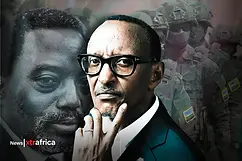
The Jamaican dancehall star Shenseea is set to perform in Kigali as part of a government‑backed entertainment tour. Shenseea posted on X, “Rwanda Jan 3rd,” and Rwanda’s Foreign Minister, Olivier Nduhungirehe, proudly quoted her “#Shenseea in Kigali !” While the shows are marketed as harmless fun, the timing reveals a disturbing strategy. The Rwandan government has repeatedly used celebrity events as state‑sponsored PR to soften its global image. In this case, Shenseea’s appearance risks cultural whitewashing of credible allegations that the Rwandan military supports the M23 armed group responsible for mass rapes, civilian killings, and widespread displacement in the neighbouring Democratic Republic of Congo.
War crimes allegations and humanitarian crisis
Human Rights Watch and other organisations have documented atrocities attributed to the Rwanda‑backed M23 rebel group. Victims and witnesses describe massacres of unarmed civilians, sexual violence, including gang rape, and forcible recruitment. Recent United Nations briefings to the Security Council have echoed these findings, citing evidence that Rwandan troops have entered Congolese territory and provided M23 with weapons and logistical support. U.S. officials have also raised alarms about foreign fighters in eastern Congo and have called on Rwanda to withdraw its forces and respect Congolese sovereignty.
The human toll is staggering. International humanitarian agencies estimate that more than 200,000 people have been displaced in North and South Kivu provinces since renewed M23 offensives began last year. Many have fled repeated drone strikes and indiscriminate shelling of towns; others describe being expelled from their homes at gunpoint. Camps around Goma and Bukavu are overflowing with families lacking food, clean water, and shelter. This crisis is unfolding as Rwanda promotes concerts and sporting events aimed at attracting tourists and burnishing its reputation.
Celebrity influence and complicity through silence
In the age of social media, global pop culture plays a powerful role in shaping public perceptions. When artists perform at state‑sponsored venues, they lend legitimacy to the host government. Fans often see only the polished image, unaware that behind the scenes are credible war crimes allegations. This is complicity through silence: by staying apolitical, performers can inadvertently help regimes launder their reputations.
Shenseea is admired across Africa for her talent and charisma. Her decision to headline a concert in Kigali is therefore more than a simple career move; it risks making her a de facto ambassador for an administration accused of aiding a rebel force that has terrorised Congolese civilians. Mass rapes, civilian killings, displacement – these are not abstract statistics but the lived reality of people in eastern Congo. No amount of music can drown out their pain.
From Tems’ Apology to Shenseea’s Silence
When Nigerian superstar Tems unknowingly promoted a concert in Rwanda earlier this year, she swiftly pulled out and issued a heartfelt public apology. She expressed solidarity with victims of the Congo conflict and acknowledged the moral weight of her platform.
Shenseea, by contrast, is moving ahead, even as Kigali officials celebrate her performance as a national win.
CELEBRITY TRENDS
Shenseea in Kigali? Music cannot dance on Mass Graves

22 déc. 2025
15 mai 2026
4 min read

Publié
Mis à jour:
The Jamaican dancehall star Shenseea is set to perform in Kigali as part of a government‑backed entertainment tour. Shenseea posted on X, “Rwanda Jan 3rd,” and Rwanda’s Foreign Minister, Olivier Nduhungirehe, proudly quoted her “#Shenseea in Kigali !” While the shows are marketed as harmless fun, the timing reveals a disturbing strategy. The Rwandan government has repeatedly used celebrity events as state‑sponsored PR to soften its global image. In this case, Shenseea’s appearance risks cultural whitewashing of credible allegations that the Rwandan military supports the M23 armed group responsible for mass rapes, civilian killings, and widespread displacement in the neighbouring Democratic Republic of Congo.
War crimes allegations and humanitarian crisis
Human Rights Watch and other organisations have documented atrocities attributed to the Rwanda‑backed M23 rebel group. Victims and witnesses describe massacres of unarmed civilians, sexual violence, including gang rape, and forcible recruitment. Recent United Nations briefings to the Security Council have echoed these findings, citing evidence that Rwandan troops have entered Congolese territory and provided M23 with weapons and logistical support. U.S. officials have also raised alarms about foreign fighters in eastern Congo and have called on Rwanda to withdraw its forces and respect Congolese sovereignty.
The human toll is staggering. International humanitarian agencies estimate that more than 200,000 people have been displaced in North and South Kivu provinces since renewed M23 offensives began last year. Many have fled repeated drone strikes and indiscriminate shelling of towns; others describe being expelled from their homes at gunpoint. Camps around Goma and Bukavu are overflowing with families lacking food, clean water, and shelter. This crisis is unfolding as Rwanda promotes concerts and sporting events aimed at attracting tourists and burnishing its reputation.
PUBLICITÉ
Celebrity influence and complicity through silence
In the age of social media, global pop culture plays a powerful role in shaping public perceptions. When artists perform at state‑sponsored venues, they lend legitimacy to the host government. Fans often see only the polished image, unaware that behind the scenes are credible war crimes allegations. This is complicity through silence: by staying apolitical, performers can inadvertently help regimes launder their reputations.
Shenseea is admired across Africa for her talent and charisma. Her decision to headline a concert in Kigali is therefore more than a simple career move; it risks making her a de facto ambassador for an administration accused of aiding a rebel force that has terrorised Congolese civilians. Mass rapes, civilian killings, displacement – these are not abstract statistics but the lived reality of people in eastern Congo. No amount of music can drown out their pain.
From Tems’ Apology to Shenseea’s Silence
When Nigerian superstar Tems unknowingly promoted a concert in Rwanda earlier this year, she swiftly pulled out and issued a heartfelt public apology. She expressed solidarity with victims of the Congo conflict and acknowledged the moral weight of her platform.
PUBLICITÉ
Tendances actuelles


Populaire aujourd'hui


Shenseea, by contrast, is moving ahead, even as Kigali officials celebrate her performance as a national win.
A call to conscience
Artists have the right to perform, and audiences have the right to enjoy music. But there is also a responsibility to consider the broader context. State‑sponsored PR campaigns that gloss over violence erode the moral authority of the entertainment industry. Shenseea and her team should listen to Congolese voices and rethink the Rwanda tour. Fans around the world can amplify calls for accountability by using hashtags such as #StopShenseea and #JusticeForCongo. Encourage promoters and media outlets to report on the M23 crisis alongside concert coverage. Speak up about cultural whitewashing and demand that governments respect international law.
PUBLICITÉ
Rwanda’s concert series may be sold as a celebration of culture, but it comes at the cost of concealing suffering. As long as allegations of Rwanda‑backed M23 atrocities persist, the world should question events that project normalcy. Music has the power to unite and heal – yet in this case, solidarity with victims demands a pause. Shenseea could use her platform to raise awareness about eastern Congo’s humanitarian crisis rather than lend her voice to a show that risks normalising war crimes.
[This analysis draws on reports by Human Rights Watch and recent statements at the UN Security Council and in U.S. government briefings.]
By Neema Asha Mwakalinga
PUBLICITÉ
Articles connexes