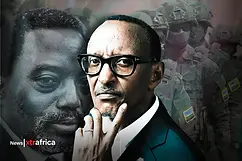
Banyamulenge voices and advocacy groups have strongly condemned Tito Rutaremara’s remarks at the Gatumba massacre commemoration in Kigali (around 13–14 August 2026), rejecting his framing of the community as “Rwandans” (or “Banyarwanda of Congo”), his dismissal of the name “Banyamulenge,” and his calls for them to take up arms, attack/help liberate Congo (including references linked to supporting M23).
These reactions emphasize Congolese identity, oppose instrumentalization for external agendas or armed conflict against the DRC, and stress that justice for Gatumba and community security must occur within the DRC rather than through war or foreign mobilization. Key points from community statements and individuals include:
Core criticisms of the speech
Denial of distinct Congolese identity: Speakers and groups rejected the claim that Banyamulenge are essentially Rwandans (or should identify primarily as such). They argue this language mirrors long-standing narratives used in the DRC to portray them as foreigners, which has historically fueled discrimination, displacement, and violence. The name “Banyamulenge” is defended as affirming roots and presence in South Kivu (linked to the Mulenge area/high plateaus), not as a rejection of Tutsi heritage or more distant origins.
Incitement and lack of respect during mourning: Using a solemn memorial for victims of the 2004 Gatumba attack (where ~166 Banyamulenge refugees were killed) to urge youth to take up arms, “liberate Congo,” or join broader conflict was called provocative, humiliating, and inappropriate. Critics said it treats the community as a tool rather than honoring the dead.
Instrumentalization and danger: Remarks are seen as exposing the community further—by reinforcing “foreigner” accusations from some Congolese extremists while pushing recruitment or alignment with groups like M23/proxies—amid ongoing eastern DRC conflict, Rwandan involvement allegations, and civilian risks in areas like Minembwe. Some explicitly note Rwanda’s role in aggression/occupation and reject being used as human shields or proxies.
Specific community and individual responses
Banyamulenge Global Advocacy (BGA): Issued a clear condemnation. It said Rutaremara denigrated the community by mocking the name “Banyamulenge” (as referring only to a mountain/village) and directing people to call themselves Banyarwanda of Congo. BGA accused him of mobilizing Congolese Banyamulenge youth against their own government under the pretext of “freeing Congo.” It affirmed the Banyamulenge as a Congolese community that stands with the DRC government in condemning what it describes as Rwandan aggression, rejected instrumentalization for Kigali’s interests, and highlighted risks to civilians.
GAKONDO (Coordination of Banyamulenge mutualities): Condemned the explicit call for young Banyamulenge to take up arms against the DRC as a violation of the spirit of the Washington peace process (aimed at ending hostilities and respecting sovereignty). It stated firmly: “The Banyamulenge are Congolese. Their future, their security and their legitimate quest for justice must be built within the Democratic Republic of the Congo, and not in a war against their own country.” It called for measures consistent with peace commitments, including addressing foreign forces and support to armed groups.
Fidele Sebahizi and others labeling it hate speech: Described the “Rwandans of Congo” framing as pure hate speech that threatens social peace—identical in effect to rhetoric from certain Congolese politicians and armed actors that denies Congolese belonging. He stressed the community has already fought (and shed blood) against forced re-identification as Rwandans and that the Banyamulenge name “is written where it cannot be erased.” He called for a public apology.
JUSTICE & CRIME
Banyamulenge Reject Rwanda’s Call to Attack Congo

15 août 2026
18 août 2026
5 min read

Publié
Mis à jour:
Banyamulenge voices and advocacy groups have strongly condemned Tito Rutaremara’s remarks at the Gatumba massacre commemoration in Kigali (around 13–14 August 2026), rejecting his framing of the community as “Rwandans” (or “Banyarwanda of Congo”), his dismissal of the name “Banyamulenge,” and his calls for them to take up arms, attack/help liberate Congo (including references linked to supporting M23).
These reactions emphasize Congolese identity, oppose instrumentalization for external agendas or armed conflict against the DRC, and stress that justice for Gatumba and community security must occur within the DRC rather than through war or foreign mobilization. Key points from community statements and individuals include:
PUBLICITÉ
Core criticisms of the speech
Denial of distinct Congolese identity: Speakers and groups rejected the claim that Banyamulenge are essentially Rwandans (or should identify primarily as such). They argue this language mirrors long-standing narratives used in the DRC to portray them as foreigners, which has historically fueled discrimination, displacement, and violence. The name “Banyamulenge” is defended as affirming roots and presence in South Kivu (linked to the Mulenge area/high plateaus), not as a rejection of Tutsi heritage or more distant origins.
Incitement and lack of respect during mourning: Using a solemn memorial for victims of the 2004 Gatumba attack (where ~166 Banyamulenge refugees were killed) to urge youth to take up arms, “liberate Congo,” or join broader conflict was called provocative, humiliating, and inappropriate. Critics said it treats the community as a tool rather than honoring the dead.
Instrumentalization and danger: Remarks are seen as exposing the community further—by reinforcing “foreigner” accusations from some Congolese extremists while pushing recruitment or alignment with groups like M23/proxies—amid ongoing eastern DRC conflict, Rwandan involvement allegations, and civilian risks in areas like Minembwe. Some explicitly note Rwanda’s role in aggression/occupation and reject being used as human shields or proxies.
Specific community and individual responses
Banyamulenge Global Advocacy (BGA): Issued a clear condemnation. It said Rutaremara denigrated the community by mocking the name “Banyamulenge” (as referring only to a mountain/village) and directing people to call themselves Banyarwanda of Congo. BGA accused him of mobilizing Congolese Banyamulenge youth against their own government under the pretext of “freeing Congo.” It affirmed the Banyamulenge as a Congolese community that stands with the DRC government in condemning what it describes as Rwandan aggression, rejected instrumentalization for Kigali’s interests, and highlighted risks to civilians.
GAKONDO (Coordination of Banyamulenge mutualities): Condemned the explicit call for young Banyamulenge to take up arms against the DRC as a violation of the spirit of the Washington peace process (aimed at ending hostilities and respecting sovereignty). It stated firmly: “The Banyamulenge are Congolese. Their future, their security and their legitimate quest for justice must be built within the Democratic Republic of the Congo, and not in a war against their own country.” It called for measures consistent with peace commitments, including addressing foreign forces and support to armed groups.
Fidele Sebahizi and others labeling it hate speech: Described the “Rwandans of Congo” framing as pure hate speech that threatens social peace—identical in effect to rhetoric from certain Congolese politicians and armed actors that denies Congolese belonging. He stressed the community has already fought (and shed blood) against forced re-identification as Rwandans and that the Banyamulenge name “is written where it cannot be erased.” He called for a public apology.
Beatrice Gisaro and similar community voices: Detailed rejections of imposed transborder “Banyarwanda” identity and of any call to “recover/liberate” or conquer the Congo by force. They affirm: “We are Banyamulenge. We are Congolese.” They argue such rhetoric places the community outside its own country (turning citizens into would-be invaders), fuels the very hate used against them, endangers youth, and does not protect the community. The focus should be building the DRC with all Congolese and seeking justice for Gatumba without preparing more deaths.
Other notable statements: Researcher/activist Delphin R. Ntanyoma linked the “Rwandans” framing to a long pattern that has justified killings and said it is calculated rather than accidental. Accounts associated with figures like Gen. Pacifique Masunzu and others reiterated that Banyamulenge form a distinct community that should not be misidentified as Banyarwanda. Patrick Bagabo’s statement condemned the rhetoric for denying Congolese identity, echoing extremist claims, and called for withdrawal of the remarks plus recognition of full belonging and rejection of using the community as a geopolitical tool.
PUBLICITÉ
Tendances actuelles


Populaire aujourd'hui


Broader context in these reactions
Critics consistently distinguish origin/heritage discussions from nationality and political belonging. They argue that justice, security, and recognition of past atrocities (including Gatumba) belong inside Congolese institutions and peaceful processes, not through external mobilization or further war. Many stress resilience of the Banyamulenge identity and refusal to be either rejected as non-Congolese or “reclaimed” for foreign agendas.
Rwandan official or media coverage of the same event has often highlighted themes of community self-reliance for justice, historical origins, and the need for active defense of rights, while the more confrontational excerpts (identity denial + arms call) have driven the strongest pushback from the voices above.
PUBLICITÉ
PUBLICITÉ
Articles connexes