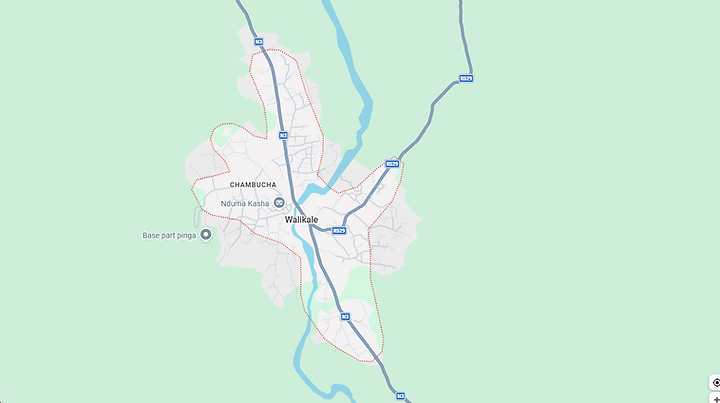
Traffic resumed on June 5 on the Kashebere–Mungazi road in the Luberike group of Walikale territory after a five‑day suspension caused by clashes between government forces and rebel groups in the village of Kibati. According to Actualité.CD, the FARDC (DR Congo’s army) and local Wazalendo militiamen withdrew from Kibati on June 4 and regrouped at Mungazi, ceding control of the area to AFC/M23 rebels.
Casualty figures were still unknown, but residents reported that people fled nearby villages during the fighting. Reopening the road allows lorries and motorbikes carrying goods from the provincial capital Goma to reach Walikale, relieving a supply backlog at Kashebere and Nyabiondo.
A vital route in a fragile region
The Kashebere–Mungazi corridor is the main road linking Walikale to other population centres and has frequently been disrupted by conflict or disasters. In February 2026 the UN Office for the Coordination of Humanitarian Affairs reported that a landslide in the village of Burutsi killed at least 30 people and cut the Kashebere–Mungazi–Kibua axis, which OCHA described as the only road connecting the area to Walikale town.
Aid agencies warned that alongside fighting, such disasters were eroding basic services, with explosions and drone strikes causing fresh displacement and damaging health facilities. The road’s reopening therefore has major implications for the movement of both civilians and humanitarian supplies.
Ongoing conflict and contested governance
Recent stories from XtraAfrica highlight the volatile context in Walikale. In May a newly installed village chief in Walikale’s Ikobo grouping was shot dead at home by alleged Wazalendo fighters only 48 hours after AFC/M23 rebels appointed him.
The killing underscored tensions over M23’s parallel system of local administration; the movement has been appointing village chiefs and community leaders in territories under its control, a practice rejected by the Kinshasa government as unconstitutional.
Analysts warned that such parallel governance structures deepen insecurity and could weaken civilian protection. In a separate report dated June 4, it was noted that the FARDC urged more M23 fighters to surrender after 204 rebels laid down their arms during April and May.
Military spokesperson Major Dieudonné Kasereka said the fighters arrived from Lubero, Rutshuru, Masisi and Kalehe with weapons and were received by government forces. The call for further surrenders suggested that pressure on M23 could be rising.
WAR IN DR CONGO
Walikale Road Reopens After Five Days of AFC/M23-FARDC Clashes

Jun 5, 2026
Jun 5, 2026
3 min read
Published
Updated:
Traffic resumed on June 5 on the Kashebere–Mungazi road in the Luberike group of Walikale territory after a five‑day suspension caused by clashes between government forces and rebel groups in the village of Kibati. According to Actualité.CD, the FARDC (DR Congo’s army) and local Wazalendo militiamen withdrew from Kibati on June 4 and regrouped at Mungazi, ceding control of the area to AFC/M23 rebels.
Casualty figures were still unknown, but residents reported that people fled nearby villages during the fighting. Reopening the road allows lorries and motorbikes carrying goods from the provincial capital Goma to reach Walikale, relieving a supply backlog at Kashebere and Nyabiondo.
A vital route in a fragile region
The Kashebere–Mungazi corridor is the main road linking Walikale to other population centres and has frequently been disrupted by conflict or disasters. In February 2026 the UN Office for the Coordination of Humanitarian Affairs reported that a landslide in the village of Burutsi killed at least 30 people and cut the Kashebere–Mungazi–Kibua axis, which OCHA described as the only road connecting the area to Walikale town.
ADVERTISEMENT
Aid agencies warned that alongside fighting, such disasters were eroding basic services, with explosions and drone strikes causing fresh displacement and damaging health facilities. The road’s reopening therefore has major implications for the movement of both civilians and humanitarian supplies.
Ongoing conflict and contested governance
Recent stories from XtraAfrica highlight the volatile context in Walikale. In May a newly installed village chief in Walikale’s Ikobo grouping was shot dead at home by alleged Wazalendo fighters only 48 hours after AFC/M23 rebels appointed him.
The killing underscored tensions over M23’s parallel system of local administration; the movement has been appointing village chiefs and community leaders in territories under its control, a practice rejected by the Kinshasa government as unconstitutional.
ADVERTISEMENT
Analysts warned that such parallel governance structures deepen insecurity and could weaken civilian protection. In a separate report dated June 4, it was noted that the FARDC urged more M23 fighters to surrender after 204 rebels laid down their arms during April and May.
Military spokesperson Major Dieudonné Kasereka said the fighters arrived from Lubero, Rutshuru, Masisi and Kalehe with weapons and were received by government forces. The call for further surrenders suggested that pressure on M23 could be rising.
TRENDING NOW


POPULAR TODAY


ADVERTISEMENT
Implications
The reopening of the Kashebere–Mungazi road will immediately benefit traders and residents by restoring supply lines between Goma and Walikale. However, the region remains tense. The road had previously been cut by landslides and remains vulnerable to rebel activity.
The M23’s appointment of local officials and the assassination of an appointed chief reveal deep governance disputes. The FARDC’s call for more defections shows there is ongoing military pressure on the rebels, but clashes continue. Until a durable political solution is found, supply corridors like Kashebere–Mungazi are likely to face recurrent disruptions despite periodic reopenings.
ADVERTISEMENT
RELATED ARTICLE