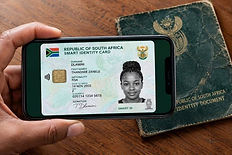
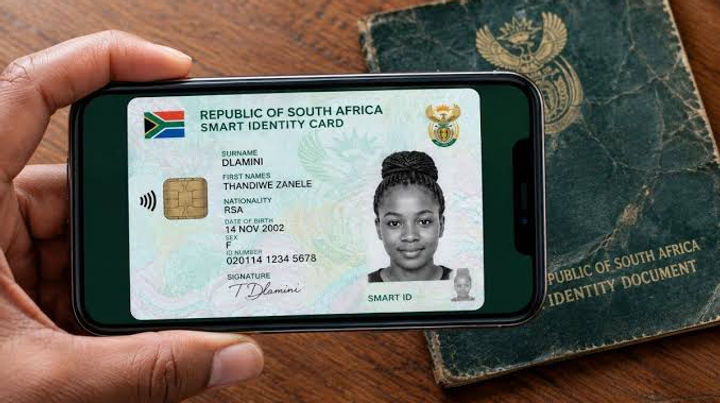
SOUTH AFRICA - 1 October 2026, South Africa has announced 31 March 2028 as the date when green ID books will cease to be recognised as valid identification. Home Affairs Minister Leon Schreiber outlined the timetable on Thursday, 1 October, alongside plans to stop producing the books a year earlier.
The announcement forms part of the department's Quantum Leap programme, presented at Constitution Hill in Johannesburg. SABC's coverage of the announcement sets out the two-stage change: production ends on 31 March 2027, followed by a 12-month transition to Smart ID cards.
When is South Africa's green ID deadline? Home Affairs has announced 31 March 2028 as the date when green ID books will stop being recognised as valid identification. Production is due to end on 31 March 2027. The announcement does not make existing green ID books invalid today.
Two dates that green ID holders should distinguish
The timetable separates the end of manufacturing from the end of recognition. Closing the production system in March 2027 will not, under the announced plan, immediately invalidate every book already issued.
Schreiber said the production machines would be permanently decommissioned. He put the number of people holding only a green ID book at approximately 14.7 million, according to BusinessTech's report of his statement.
The practical distinction is important: holders do not need to interpret today's announcement as an instruction that their book has already expired. They do, however, have a stated deadline for replacing it rather than an open-ended transition.
Bank branches are part of the replacement programme
Schreiber said 515 bank branches now offer walk-in Smart ID replacements. He also outlined a target of more than 1,000 service points by the end of 2026, according to TechCentral's account of the rollout. The larger figure is a target, not a claim that all those locations are already operating.
Home Affairs' official Digital Partnership guidance explains that this bank service operates through systems connected to the department. Applicants do not use eHomeAffairs to make bookings or payments for this particular route.
AFRICAN POLITICS
South Africa Announces Green ID Deadline of 31 March 2028

Oct 1, 2026
Oct 1, 2026
5 min read
Published
Updated:
SOUTH AFRICA - 1 October 2026, South Africa has announced 31 March 2028 as the date when green ID books will cease to be recognised as valid identification. Home Affairs Minister Leon Schreiber outlined the timetable on Thursday, 1 October, alongside plans to stop producing the books a year earlier.
The announcement forms part of the department's Quantum Leap programme, presented at Constitution Hill in Johannesburg. SABC's coverage of the announcement sets out the two-stage change: production ends on 31 March 2027, followed by a 12-month transition to Smart ID cards.
When is South Africa's green ID deadline? Home Affairs has announced 31 March 2028 as the date when green ID books will stop being recognised as valid identification. Production is due to end on 31 March 2027. The announcement does not make existing green ID books invalid today.
Two dates that green ID holders should distinguish
The timetable separates the end of manufacturing from the end of recognition. Closing the production system in March 2027 will not, under the announced plan, immediately invalidate every book already issued.
Announced date | What changes |
31 March 2027 | Production of new green ID books ends. |
31 March 2028 | Green ID books cease to be recognised as valid identification. |
Schreiber said the production machines would be permanently decommissioned. He put the number of people holding only a green ID book at approximately 14.7 million, according to BusinessTech's report of his statement.
ADVERTISEMENT
The practical distinction is important: holders do not need to interpret today's announcement as an instruction that their book has already expired. They do, however, have a stated deadline for replacing it rather than an open-ended transition.
Bank branches are part of the replacement programme
Schreiber said 515 bank branches now offer walk-in Smart ID replacements. He also outlined a target of more than 1,000 service points by the end of 2026, according to TechCentral's account of the rollout. The larger figure is a target, not a claim that all those locations are already operating.
Home Affairs' official Digital Partnership guidance explains that this bank service operates through systems connected to the department. Applicants do not use eHomeAffairs to make bookings or payments for this particular route.
The guidance lists participating Capitec and Standard Bank branches. Check branch availability and hours with the bank. Applicants must attend in person for biometrics.
This differs from the traditional online application route. XTRAfrica's guide to Home Affairs online ID and passport applications explains that process and the distinction between online preparation and the in-person stage.
ADVERTISEMENT
Fees, collection and services not yet included
DHA lists a R140 fee, with possible bank convenience charges. Applicants should check the total with the participating bank.
Schreiber said first-time applicants and people over 60 would continue to be exempt from the application fee. That assurance does not mean every application type is already available through the new bank system.
The partnership's first phase excludes first-time IDs, passports and changes to personal details; DHA directs those applicants to its offices. This restriction concerns the new partnership, not every existing bank arrangement.
The bank provides collection instructions for the application branch. Schreiber's proposed courier option is not yet a service promised everywhere.
Someone replacing a lost or stolen document faces a different practical problem from a holder making a planned switch. XTRAfrica's lost South African ID replacement guide covers that route.
TRENDING NOW


POPULAR TODAY


ADVERTISEMENT
Access for naturalised citizens and people abroad
Access to Smart IDs has not been identical for every group. The official bank guidance already includes some naturalised citizens and qualifying permanent residents, while Schreiber said the remaining eligible groups would be brought into the system before production ends in March 2027.
The promised expansion also covers South African citizens living abroad. The South African's report identifies access for these groups as part of the transition. An announced expansion is not confirmation that every applicant can already use every channel.
Where a bank cannot process an application, DHA says it may refer the applicant to an office. Further practical guides appear in XTRAfrica's South Africa government-services coverage.
Home Affairs plans a national information campaign ahead of the deadline. The next practical milestones are wider access, more participating service points and clear collection arrangements, with the March 2027 production shutdown preceding the announced March 2028 end of recognition.
ADVERTISEMENT
RELATED ARTICLE