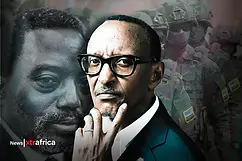
On 4 April 2026, President Paul Biya issued a decree from Yaoundé appointing his son, Franck Emmanuel Biya, to three of Cameroon’s most powerful positions: Vice‑President of the Republic, Head of the Armed Forces, and Minister Delegate at the Ministry of Defence. The decree suggests the measures were made “in accordance with constitutional provisions” and should be registered in the country’s official gazette, but the political meaning could not be more profound. In one stroke, the 93‑year‑old Biya has placed the country’s highest executive and military authority in the hands of his son. This consolidation amounts to nepotism at the highest level, for it institutionalises dynastic rule and undermines the already fragile separation of powers in a nation wracked by contested elections and mounting security crises.
Why the fusion of executive and military power is politically alarming
Biya’s decree elevates Franck Biya to vice‑president, a post reintroduced through controversial constitutional reforms earlier in 2026. The vice‑president is now appointed and dismissed by the president, automatically assumes office if the head of state becomes incapacitated, and cannot run for the presidency in subsequent elections. Opposition figures warned that these reforms “centralised power” and weakened democratic institutions, but they did not foresee that the president would immediately fill the new office with his son. Even before Franck’s elevation, scholars documented how nepotism and favouritism degrade public administration; according to Good Governance Africa, evidence from across Africa shows nepotism is widespread, and that appointing unqualified individuals to high office is a red flag for “unsound appointments and corruption”. Merriam‑Webster defines nepotism as “favoritism (as in appointment to a job) based on kinship,” especially within business and politics. By placing his son at the apex of both the executive and the military, Biya has turned the state into a family enterprise.
The conflation of the vice‑presidency with the command of the armed forces is particularly troubling for checks and balances. The vice‑president stands next in line should Biya die or become incapacitated, yet by simultaneously controlling the military, Franck Biya can shape the security apparatus that would manage any transition. In a state where the president’s ethnic kin already dominate key positions, Biya’s Beti people have disproportionate control of senior government and military roles; this latest move eliminates even the façade of impartial oversight. Cameroon’s institutional independence has long been eroded by a patron–client system; Vanguard Africa notes that state corruption, nepotism, and favouritism have grown “to levels previously unknown” and that “excellence is no longer considered” in the public sector. Adding the president’s son as head of the armed forces institutionalises this mediocrity and places the military’s loyalty firmly within the ruling family, leaving little room for civilian or parliamentary oversight.
Succession politics and signals for Cameroon’s future
Cameroon’s political climate gives context to this dynastic consolidation. Biya has ruled since 1982, making him one of the world’s longest‑serving leaders. His eighth term was secured in a disputed October 2025 election in which official results gave him roughly 54 percent of the vote. Opposition candidate Issa Tchiroma Bakary claimed 35 percent but rejected the outcome, alleging widespread fraud and declaring himself the rightful winner. The election sparked protests and was followed by security forces killing at least four opposition supporters. The Constitutional Council dismissed multiple challenges to the results, entrenching Biya’s tenure. Against this backdrop of contestation, the vice‑presidency becomes a crucial instrument for engineering succession.
Franck Biya has long been regarded as a potential successor. Reports on local prefect appointments in 2025 described a pattern in which children of ministers and elites were placed in key positions as a strategy to “entrench familial loyalty” and centralise power. The same analysis noted that Franck Biya had been “floated” as a potential successor despite having remained largely out of public politics. By appointing him vice‑president, President Biya signals an intention to orchestrate a hereditary succession rather than allow an open contest for the presidency. The vice‑president will automatically assume the top job if Biya dies or resigns, ensuring continuity of the family’s grip on power. Yet the constitutional provision that the vice‑president cannot stand in the next election may be designed to circumvent claims of hereditary succession. In practice, however, Franck’s control of the military and proximity to his father will enable him to heavily influence the next electoral cycle and shape the political landscape after his father’s departure.
Moreover, the appointment blurs the separation between civilian governance and military command, signalling that the route to power lies through family allegiance rather than competence or democratic mandate. Cameroon’s government has previously used nepotism and tribal loyalties to maintain control; the East African described Biya’s regime as a “patron–client state” where nepotism and tribalism are institutionalised and where his ethnic kin hold key posts in government and security services. Elevating Franck Biya continues this tradition and suggests that the ruling elite is preparing for a dynastic handover akin to other African authoritarian systems, such as Togo’s Gnassingbé dynasty or Gabon’s Bongo family, where sons succeeded their fathers amid constitutional changes and military backing.
Domestic and international consequences
Domestically, the consolidation of power in the president’s son is likely to heighten existing tensions. Cameroon faces multiple security crises: a separatist conflict in its Anglophone regions has displaced hundreds of thousands, and a jihadist insurgency in the Far North has killed over 3 000 and displaced 250 000 people. The International Crisis Group reports that four million people in the Anglophone regions need humanitarian support and that vigilante groups have emerged alongside the armed forces. In this context, centralising military command in one family raises fears of repression rather than reconciliation. Protests after the 2025 election were already met with lethal force; a military commanded by the president’s son may respond similarly to dissent, reducing the space for peaceful opposition or dialogue.
GEOPOLITICS AFRICA
Biya’s Appointment of His Son Marks Nepotism at the Highest Level

Apr 8, 2026
May 15, 2026
8 min read

Published
Updated:
On 4 April 2026, President Paul Biya issued a decree from Yaoundé appointing his son, Franck Emmanuel Biya, to three of Cameroon’s most powerful positions: Vice‑President of the Republic, Head of the Armed Forces, and Minister Delegate at the Ministry of Defence. The decree suggests the measures were made “in accordance with constitutional provisions” and should be registered in the country’s official gazette, but the political meaning could not be more profound. In one stroke, the 93‑year‑old Biya has placed the country’s highest executive and military authority in the hands of his son. This consolidation amounts to nepotism at the highest level, for it institutionalises dynastic rule and undermines the already fragile separation of powers in a nation wracked by contested elections and mounting security crises.
Why the fusion of executive and military power is politically alarming
Biya’s decree elevates Franck Biya to vice‑president, a post reintroduced through controversial constitutional reforms earlier in 2026. The vice‑president is now appointed and dismissed by the president, automatically assumes office if the head of state becomes incapacitated, and cannot run for the presidency in subsequent elections. Opposition figures warned that these reforms “centralised power” and weakened democratic institutions, but they did not foresee that the president would immediately fill the new office with his son. Even before Franck’s elevation, scholars documented how nepotism and favouritism degrade public administration; according to Good Governance Africa, evidence from across Africa shows nepotism is widespread, and that appointing unqualified individuals to high office is a red flag for “unsound appointments and corruption”. Merriam‑Webster defines nepotism as “favoritism (as in appointment to a job) based on kinship,” especially within business and politics. By placing his son at the apex of both the executive and the military, Biya has turned the state into a family enterprise.
The conflation of the vice‑presidency with the command of the armed forces is particularly troubling for checks and balances. The vice‑president stands next in line should Biya die or become incapacitated, yet by simultaneously controlling the military, Franck Biya can shape the security apparatus that would manage any transition. In a state where the president’s ethnic kin already dominate key positions, Biya’s Beti people have disproportionate control of senior government and military roles; this latest move eliminates even the façade of impartial oversight. Cameroon’s institutional independence has long been eroded by a patron–client system; Vanguard Africa notes that state corruption, nepotism, and favouritism have grown “to levels previously unknown” and that “excellence is no longer considered” in the public sector. Adding the president’s son as head of the armed forces institutionalises this mediocrity and places the military’s loyalty firmly within the ruling family, leaving little room for civilian or parliamentary oversight.
ADVERTISEMENT
Succession politics and signals for Cameroon’s future
Cameroon’s political climate gives context to this dynastic consolidation. Biya has ruled since 1982, making him one of the world’s longest‑serving leaders. His eighth term was secured in a disputed October 2025 election in which official results gave him roughly 54 percent of the vote. Opposition candidate Issa Tchiroma Bakary claimed 35 percent but rejected the outcome, alleging widespread fraud and declaring himself the rightful winner. The election sparked protests and was followed by security forces killing at least four opposition supporters. The Constitutional Council dismissed multiple challenges to the results, entrenching Biya’s tenure. Against this backdrop of contestation, the vice‑presidency becomes a crucial instrument for engineering succession.
Franck Biya has long been regarded as a potential successor. Reports on local prefect appointments in 2025 described a pattern in which children of ministers and elites were placed in key positions as a strategy to “entrench familial loyalty” and centralise power. The same analysis noted that Franck Biya had been “floated” as a potential successor despite having remained largely out of public politics. By appointing him vice‑president, President Biya signals an intention to orchestrate a hereditary succession rather than allow an open contest for the presidency. The vice‑president will automatically assume the top job if Biya dies or resigns, ensuring continuity of the family’s grip on power. Yet the constitutional provision that the vice‑president cannot stand in the next election may be designed to circumvent claims of hereditary succession. In practice, however, Franck’s control of the military and proximity to his father will enable him to heavily influence the next electoral cycle and shape the political landscape after his father’s departure.
Moreover, the appointment blurs the separation between civilian governance and military command, signalling that the route to power lies through family allegiance rather than competence or democratic mandate. Cameroon’s government has previously used nepotism and tribal loyalties to maintain control; the East African described Biya’s regime as a “patron–client state” where nepotism and tribalism are institutionalised and where his ethnic kin hold key posts in government and security services. Elevating Franck Biya continues this tradition and suggests that the ruling elite is preparing for a dynastic handover akin to other African authoritarian systems, such as Togo’s Gnassingbé dynasty or Gabon’s Bongo family, where sons succeeded their fathers amid constitutional changes and military backing.
ADVERTISEMENT
Domestic and international consequences
Domestically, the consolidation of power in the president’s son is likely to heighten existing tensions. Cameroon faces multiple security crises: a separatist conflict in its Anglophone regions has displaced hundreds of thousands, and a jihadist insurgency in the Far North has killed over 3 000 and displaced 250 000 people. The International Crisis Group reports that four million people in the Anglophone regions need humanitarian support and that vigilante groups have emerged alongside the armed forces. In this context, centralising military command in one family raises fears of repression rather than reconciliation. Protests after the 2025 election were already met with lethal force; a military commanded by the president’s son may respond similarly to dissent, reducing the space for peaceful opposition or dialogue.
Institutional independence is also endangered. The constitution now allows the president to appoint and dismiss the vice‑president at will, and the same decree placed Franck Biya at the head of the armed forces. Such concentration of authority undermines checks and balances and further politicises the military. Good Governance Africa warns that nepotism in government appointments leads to unsound governance and fosters environments ripe for corruption. With the Biya family controlling executive and military levers, the risk is that state resources and security operations will be deployed not for national interest but to protect the ruling dynasty, as has been witnessed in other authoritarian contexts where family rule results in predatory governance.
Trending Now


Popular Today


ADVERTISEMENT
Internationally, the move is likely to erode Cameroon’s legitimacy and invite scrutiny from partners concerned with governance standards, human rights, and stability. Western governments and multilateral lenders often predicate cooperation on democratic reforms and respect for the rule of law. Biya’s long rule has already drawn criticism for corruption and absenteeism. The appointment of his son to vice‑president and head of the armed forces will raise questions about whether Cameroon is sliding further toward hereditary autocracy. Donor partners may reconsider development assistance, and regional bodies such as the African Union could face pressure to respond to what many will see as a constitutional coup. Some within the ruling camp may argue that centralising authority ensures “stability” and “national security” during turmoil, but the history of authoritarian systems shows that such justifications often mask the consolidation of family power. As Good Governance Africa notes, nepotism and favouritism are red flags for corruption and institutional decay.
The decision will also influence Cameroon’s foreign relations. France and China maintain significant economic interests in Cameroon. Both have historically tolerated Biya’s authoritarian tendencies due to strategic interests, but the overt familial takeover could complicate diplomatic narratives. Regional dynamics may also shift: neighbouring countries such as Chad and the Central African Republic share security challenges with Cameroon, and instability there could spill over borders. Further centralisation of power may therefore prompt caution among neighbouring governments and could shape alliances within the Economic and Monetary Community of Central Africa (CEMAC).
Why this moment matters beyond Cameroon
President Biya’s appointment of his son to the vice‑presidency, head of the armed forces, and defence ministry is not an ordinary cabinet reshuffle; it represents the entrenchment of a dynastic succession plan in a country already beset by contested elections, violent unrest, and governance crises. By fusing executive and military authority within his family, Biya has codified nepotism at the heart of Cameroon’s political system. The move underscores how ageing leaders in authoritarian systems often manipulate constitutional reforms and security structures to perpetuate family rule under the guise of legality and stability. For Cameroonians, it signals a closing of the political space and the likelihood of increased repression. For Africa and the international community, it stands as a cautionary tale of how dynastic ambitions can erode democratic institutions, destabilise fragile societies, and tarnish a nation’s global standing.
ADVERTISEMENT
Related Articles