The Armed Forces of the Democratic Republic of Congo (FARDC) on Saturday shot down four armed “kamikaze” drones about 10 kilometers from Kisangani’s Bangboka International Airport. According to local sources, a fifth drone crash-landed near the airport runway without causing any damage.
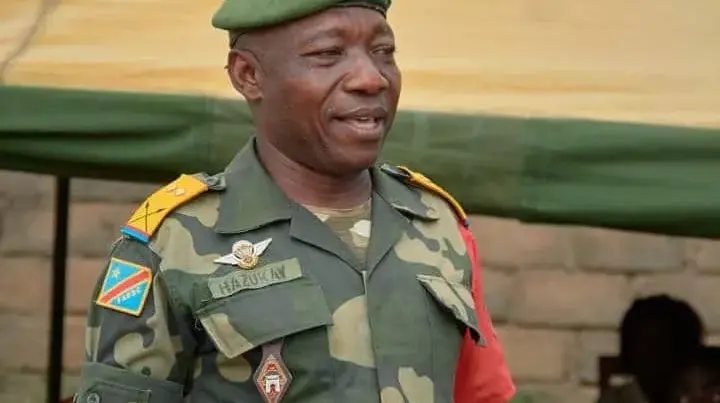
The Congolese army suspects the rebel coalition known as AFC/M23 allied with elements of the Rwandan military was behind the attempted drone assault, and FARDC spokesperson Lt. Col. Mak Hazukay stated that an official army communication on the incident will be released This Monday as Okapi reported.
No casualties have been reported in the incident, and authorities have urged residents to remain calm as security forces secure the area. Provincial officials revealed that the intercepted drones were loaded with munitions intended to cause significant human and material damage. By Monday, local authorities said a total of eight hostile drones had been detected and neutralized in the skies before reaching their targets, underscoring the scale of the threat. Congolese officials have directly blamed the attack on what they describe as a coalition of March 23 Movement (M23) rebels and Rwandan forces operating under the banner of the Alliance Fleuve Congo (AFC).
M23 Rebel Coalition and Eastern DRC Conflict
The March 23 Movement (M23) is a predominantly Tutsi-led rebel group at the center of renewed conflict in eastern DRC. In late 2023, M23 and several allied militias formed a broader coalition known as the Alliance Fleuve Congo (AFC). The Congolese army has been battling the M23 insurgency for over two years, amid allegations by Kinshasa, the United Nations, and Western governments that Rwanda backs the M23 rebels with troops and weaponry, an accusation Rwanda denies. (Rwandan officials in turn claim that DRC harbors anti-Rwanda rebels, highlighting the mutual distrust in the region.)
The fighting involving M23 and other armed groups has displaced huge numbers of civilians, driving over 1.7 million people from their homes in North Kivu province alone and bringing the total displaced in DRC’s conflicts to a record 7.2 million as of last year. This rebel coalition’s presence and territorial advances in mineral-rich eastern Congo have greatly exacerbated regional instability and humanitarian suffering.
Broader Security Implications
The drone shootdown near Kisangani a city far from the traditional eastern combat zones – has raised alarm about the expanding reach of the conflict and the evolving tactics of the combatants. Kisangani is located in Tshopo province, hundreds of kilometers west of the M23’s usual areas of operation, so an attempted attack there suggests a bold effort to project violence deeper into government-controlled territory.
The use of unmanned “kamikaze” drones in this incident underscores a new dimension of the war, as both the Congolese military and rebel groups appear to be increasingly turning to drone technology in their offensives. Protecting critical infrastructure (such as international airports) even in regions previously considered secure is now a pressing concern for the FARDC at a national level.
The incident also carries regional security implications. It comes at a time of highly strained relations between the DRC and neighboring Rwanda over the M23 rebellion. Congolese authorities have characterized the drone attacks as a deliberate attempt to sabotage ongoing peace efforts, including a U.S.-mediated peace agreement aimed at ending the conflict. “These attacks demonstrate the will of Rwanda to derail diplomatic efforts in progress, notably the Washington peace accord,” the Tshopo provincial spokesman, Senold Tandia, said of the Kisangani incident.
WAR IN EASTERN DRC
FARDC to Issue Official Statement After Kisangani Drone Shootdown

Feb 2, 2026
May 15, 2026
5 min read
Published
Updated:
The Armed Forces of the Democratic Republic of Congo (FARDC) on Saturday shot down four armed “kamikaze” drones about 10 kilometers from Kisangani’s Bangboka International Airport. According to local sources, a fifth drone crash-landed near the airport runway without causing any damage.
The Congolese army suspects the rebel coalition known as AFC/M23 allied with elements of the Rwandan military was behind the attempted drone assault, and FARDC spokesperson Lt. Col. Mak Hazukay stated that an official army communication on the incident will be released This Monday as Okapi reported.
No casualties have been reported in the incident, and authorities have urged residents to remain calm as security forces secure the area. Provincial officials revealed that the intercepted drones were loaded with munitions intended to cause significant human and material damage. By Monday, local authorities said a total of eight hostile drones had been detected and neutralized in the skies before reaching their targets, underscoring the scale of the threat. Congolese officials have directly blamed the attack on what they describe as a coalition of March 23 Movement (M23) rebels and Rwandan forces operating under the banner of the Alliance Fleuve Congo (AFC).
ADVERTISEMENT
M23 Rebel Coalition and Eastern DRC Conflict
The March 23 Movement (M23) is a predominantly Tutsi-led rebel group at the center of renewed conflict in eastern DRC. In late 2023, M23 and several allied militias formed a broader coalition known as the Alliance Fleuve Congo (AFC). The Congolese army has been battling the M23 insurgency for over two years, amid allegations by Kinshasa, the United Nations, and Western governments that Rwanda backs the M23 rebels with troops and weaponry, an accusation Rwanda denies. (Rwandan officials in turn claim that DRC harbors anti-Rwanda rebels, highlighting the mutual distrust in the region.)
The fighting involving M23 and other armed groups has displaced huge numbers of civilians, driving over 1.7 million people from their homes in North Kivu province alone and bringing the total displaced in DRC’s conflicts to a record 7.2 million as of last year. This rebel coalition’s presence and territorial advances in mineral-rich eastern Congo have greatly exacerbated regional instability and humanitarian suffering.
Broader Security Implications
The drone shootdown near Kisangani a city far from the traditional eastern combat zones – has raised alarm about the expanding reach of the conflict and the evolving tactics of the combatants. Kisangani is located in Tshopo province, hundreds of kilometers west of the M23’s usual areas of operation, so an attempted attack there suggests a bold effort to project violence deeper into government-controlled territory.
ADVERTISEMENT
The use of unmanned “kamikaze” drones in this incident underscores a new dimension of the war, as both the Congolese military and rebel groups appear to be increasingly turning to drone technology in their offensives. Protecting critical infrastructure (such as international airports) even in regions previously considered secure is now a pressing concern for the FARDC at a national level.
The incident also carries regional security implications. It comes at a time of highly strained relations between the DRC and neighboring Rwanda over the M23 rebellion. Congolese authorities have characterized the drone attacks as a deliberate attempt to sabotage ongoing peace efforts, including a U.S.-mediated peace agreement aimed at ending the conflict. “These attacks demonstrate the will of Rwanda to derail diplomatic efforts in progress, notably the Washington peace accord,” the Tshopo provincial spokesman, Senold Tandia, said of the Kisangani incident.
Kinshasa has repeatedly called for greater international involvement, and the provincial government on Monday urged the global community to adopt a firmer stance against what it terms foreign aggression, arguing that verbal condemnations are no longer sufficient after nearly thirty years of instability and cross-border violence. This plea reflects a broader frustration in the DRC that regional peace deals and ceasefires have not yet translated into lasting security on the ground.


POPULAR TODAY


ADVERTISEMENT
As the FARDC prepares to issue its official statement on Monday, observers will be watching for any evidence the military presents about the origin of the drones and the response measures it plans to take. The expected communiqué could shed light on how the Congolese army intends to address this unprecedented incursion near Kisangani and prevent similar attacks in the future.
For now, the quick action by FARDC air defense units to shoot down the drones averted casualties and damage, but the incident has spotlighted the wider conflict’s ability to threaten the DRC’s interior and the fragility of regional peace efforts. The government’s narrative pinning blame on Rwanda and the M23/AFC rebels is likely to further inflame diplomatic tensions, even as diplomatic channels remain crucial to resolving the crisis.
Source : Radio okapi
ADVERTISEMENT
RELATED ARTICLE


