Mediation, ceasefire proposals, and parallel tracks (Luanda/Washington/Doha) are all in play but the situation on the ground remains tense.
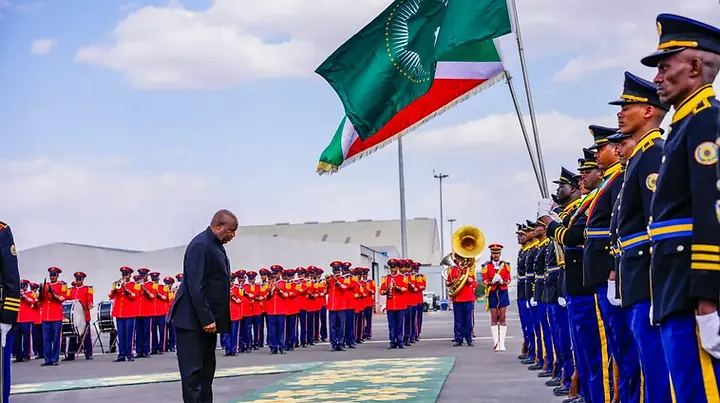
Addis Ababa hosts the African Union’s 39th Summit of Heads of State and Government on February 14–15, with leaders expected to address a packed agenda that includes water and sanitation under Agenda 2063, food insecurity, the AfCFTA, and continental security crises especially eastern Democratic Republic of Congo (DRC).
The summit also features a handover of the AU’s rotating chairmanship, adding a leadership transition to a moment of high diplomatic stakes. (Based on the original report published February 13, 2026.)
A crowded security docket, with eastern DRC at the center
While multiple crises remain on the table Libya, the Sahel, and Sudan among them eastern DRC is emerging as a defining test of whether African-led mechanisms can translate diplomatic movement into measurable change on the ground. The summit’s political weight matters because it convenes key decision-makers at a time when parallel initiatives are active but still struggling to deliver outcomes.
For official summit framing, the AU has published a briefing on the session’s scope and priorities: African Union press release on the 39th Ordinary Session.
Mediation is expanding on paper
One pillar of the AU approach is mediation in the broader Great Lakes dispute involving Kinshasa and Kigali. The AU’s designated mediator Togo’s Faure Essozimna Gnassingbé has been engaging regional actors and is expected to brief leaders on efforts intended to consolidate and align the peace process. The AU’s evolving mediation structure, including coordination mechanisms and designated facilitators, is meant to reduce fragmentation across initiatives and clarify who does what, and when.
A second pillar is the push for a ceasefire. Angola has proposed that a ceasefire between the DRC government and the M23/AFC rebellion take effect at noon on February 18, following high-level talks in Luanda involving Angolan President João Lourenço, Congolese President Félix Tshisekedi, and AU-linked facilitators. Crucially, Angola has framed the date as conditional dependent on a public declaration of acceptance by the parties making the coming days a direct test of follow-through.
The parallel tracks problem: Washington and Doha are active, but strained
DRC PEACE EFFORT
Why the 39th AU Summit Is a Big Test for Eastern DRC Peace Efforts

Feb 13, 2026
May 15, 2026
4 min read
Published
Updated:
Mediation, ceasefire proposals, and parallel tracks (Luanda/Washington/Doha) are all in play but the situation on the ground remains tense.
Addis Ababa hosts the African Union’s 39th Summit of Heads of State and Government on February 14–15, with leaders expected to address a packed agenda that includes water and sanitation under Agenda 2063, food insecurity, the AfCFTA, and continental security crises especially eastern Democratic Republic of Congo (DRC).
The summit also features a handover of the AU’s rotating chairmanship, adding a leadership transition to a moment of high diplomatic stakes. (Based on the original report published February 13, 2026.)
A crowded security docket, with eastern DRC at the center
While multiple crises remain on the table Libya, the Sahel, and Sudan among them eastern DRC is emerging as a defining test of whether African-led mechanisms can translate diplomatic movement into measurable change on the ground. The summit’s political weight matters because it convenes key decision-makers at a time when parallel initiatives are active but still struggling to deliver outcomes.
ADVERTISEMENT
For official summit framing, the AU has published a briefing on the session’s scope and priorities: African Union press release on the 39th Ordinary Session.
Mediation is expanding on paper
One pillar of the AU approach is mediation in the broader Great Lakes dispute involving Kinshasa and Kigali. The AU’s designated mediator Togo’s Faure Essozimna Gnassingbé has been engaging regional actors and is expected to brief leaders on efforts intended to consolidate and align the peace process. The AU’s evolving mediation structure, including coordination mechanisms and designated facilitators, is meant to reduce fragmentation across initiatives and clarify who does what, and when.
A second pillar is the push for a ceasefire. Angola has proposed that a ceasefire between the DRC government and the M23/AFC rebellion take effect at noon on February 18, following high-level talks in Luanda involving Angolan President João Lourenço, Congolese President Félix Tshisekedi, and AU-linked facilitators. Crucially, Angola has framed the date as conditional dependent on a public declaration of acceptance by the parties making the coming days a direct test of follow-through.
ADVERTISEMENT
The parallel tracks problem: Washington and Doha are active, but strained
Alongside AU-anchored efforts, the original report describes two additional tracks: a Washington process linked to U.S. engagement and Doha talks under Qatar’s auspices involving Kinshasa and the AFC/M23. The challenge, as outlined, is not the lack of dialogue but the gap between agreements and implementation. Mutual accusations, delays in carrying out agreed measures, and continued insecurity have made it harder to demonstrate progress where it matters most: conditions on the ground.
The summit’s significance is less about launching another initiative and more about whether leaders can do three practical things:
Align the tracks (AU-led mediation, Luanda ceasefire push, Washington and Doha processes) so commitments do not contradict each other.


POPULAR TODAY


ADVERTISEMENT
Reinforce timelines and accountability, especially around any ceasefire acceptance and verification.
Maintain political pressure beyond communiqués so agreed steps are implemented and sustained.
In that sense, Addis Ababa is not just another annual gathering. It is a concentrated moment for the and its member states to demonstrate that African-led diplomacy can move from process to results in one of the continent’s most complex security crises.
ADVERTISEMENT
RELATED ARTICLE


