KAMPALA, 21 October 2026 — Uganda lifted its suspension on issuing special certificates of title on 20 October, reopening the replacement route for landowners whose duplicate titles are lost, destroyed or unreadable. Lands Minister Judith Nabakooba announced new verification guidelines at the Uganda Media Centre, according to the official government account.
The immediate task for applicants is to prepare their documents and confirm the new checklist with the land registry handling the application. A replacement should not be treated as a same-day service.
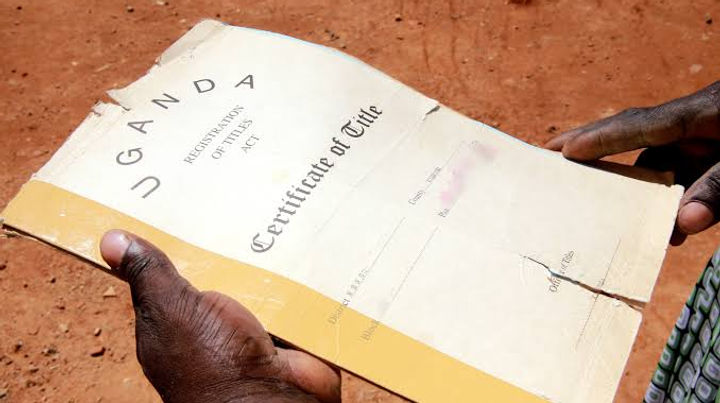
How do you replace a lost land title in Uganda?
Apply for a special certificate through the land registry, with a statutory declaration and supporting documents. The process includes public notice and verification. Following the 20 October announcement, applicants should confirm the updated requirements and assessed charges before paying or arranging publication.
Start by identifying which copy is missing
The replacement route depends on the document involved. A special certificate replaces the proprietor’s lost, destroyed or unusable duplicate title. It is not the same procedure as rebuilding a missing registry record.
The ministry’s separate substitute-certificate procedure addresses replacement of the original registry copy. That older procedure asks for the duplicate title, a request letter, a photograph and photocopies. Tell the registry exactly which document is missing before starting either application.
The Gazette notice was already part of the law
Section 69 of the Registration of Titles Act, Chapter 240 allows people with knowledge of the loss or destruction to make a statutory declaration. It must explain the circumstances and disclose encumbrances affecting the land or title to the best of their knowledge, information and belief.
The registrar must be satisfied about the declaration and the transaction’s good faith before issuing a special certificate. The Act also requires at least one month’s notice in the Gazette, at the applicant’s expense. Public notice is therefore not a requirement invented by the October announcement.
SOCIAL SERVICE
Uganda Replacement Land Title Guide: Rules, Documents and Fees

Oct 21, 2026
Oct 21, 2026
5 min read
Published
Updated:
KAMPALA, 21 October 2026 — Uganda lifted its suspension on issuing special certificates of title on 20 October, reopening the replacement route for landowners whose duplicate titles are lost, destroyed or unreadable. Lands Minister Judith Nabakooba announced new verification guidelines at the Uganda Media Centre, according to the official government account.
The immediate task for applicants is to prepare their documents and confirm the new checklist with the land registry handling the application. A replacement should not be treated as a same-day service.
How do you replace a lost land title in Uganda?
Apply for a special certificate through the land registry, with a statutory declaration and supporting documents. The process includes public notice and verification. Following the 20 October announcement, applicants should confirm the updated requirements and assessed charges before paying or arranging publication.
Start by identifying which copy is missing
The replacement route depends on the document involved. A special certificate replaces the proprietor’s lost, destroyed or unusable duplicate title. It is not the same procedure as rebuilding a missing registry record.
The ministry’s separate substitute-certificate procedure addresses replacement of the original registry copy. That older procedure asks for the duplicate title, a request letter, a photograph and photocopies. Tell the registry exactly which document is missing before starting either application.
ADVERTISEMENT
The Gazette notice was already part of the law
Section 69 of the Registration of Titles Act, Chapter 240 allows people with knowledge of the loss or destruction to make a statutory declaration. It must explain the circumstances and disclose encumbrances affecting the land or title to the best of their knowledge, information and belief.
The registrar must be satisfied about the declaration and the transaction’s good faith before issuing a special certificate. The Act also requires at least one month’s notice in the Gazette, at the applicant’s expense. Public notice is therefore not a requirement invented by the October announcement.
The special certificate reproduces the registered title and its endorsements. Replacement is a way to restore the document, rather than an opportunity to remove recorded interests affecting the property.
Prepare the application file
The ministry’s published special-title procedure, dated March 2011, lists these starting documents:
An application for a special certificate of title.
A completed statutory declaration, signed by the applicant and witnessed by a commissioner for oaths.
Two passport photographs of the applicant.
Payment receipts and photocopies of the documents lodged.
The same procedure calls for a Gazette extract as the application progresses. It says the submitted photocopy is stamped “Received” and returned as the applicant’s acknowledgement.
ADVERTISEMENT
Use that list as preparation, then obtain the registry’s updated checklist. The older instructions predate the new guidelines and should not be taken as the complete post-announcement requirements. Keep the acknowledgement and receipts together so each later enquiry can be tied to the application.
What the new safeguards mean
Nile Post’s account of the revised guidelines says notices are intended to reach people with legitimate interests in the land and allow them a reasonable opportunity to be heard. It also reports that material processing steps must be retained in physical and electronic records.
The framework covers lost or damaged duplicates, court-directed special certificates and applications involving estate administrators or executors. The minister also announced the use of government surveyors for special-title verification.
Applicants should ask who will conduct the checks and what evidence the registry requires. A promise that payment alone will produce a replacement immediately does not reflect a process involving notice and verification.
Treat published fees as a reference, not a final bill
Charge in the older manual | Amount |
Registration | Shs15,000 |
Stamp duty on the application | Shs5,000 |
Stamp duty on the declaration | Shs5,000 |
Total of those listed charges | Shs25,000 |
The ministry’s FY 2024/25 access-to-information manual, section R, publishes the following figures:
Trending Now


Popular Today


ADVERTISEMENT
That total is not an all-inclusive replacement price: Gazette publication is separately at the applicant’s expense. Obtain a current assessment and confirm any additional authorised charges before paying. The older manual’s figures should not be presented as a newly confirmed October 2026 tariff.
The manual describes collecting a Gazette letter, returning evidence after the notice period and collecting the certificate after further processing. These are stages, not a guaranteed completion date under the revised system.
Before leaving the registry
Ask for the application reference, the next required document, the publication instructions and the date to return. If the application concerns an estate or someone else disputes the land, explain that at the outset rather than treating it as an ordinary missing-paper case.
The Department of Land Registration is responsible for issuing certificates and custody of the national land register. The next useful step is to obtain its applicable checklist and assessment for the particular title before committing to publication or other costs.
More reporting: XTRAfrica’s Uganda coverage.
ADVERTISEMENT
Related Articles


