Bujumbura/Kinshasa/Harare: Africa has once again become the stage for global investment promises. This August, Sheikh Mansour Bin Jabor Bin Jassim Al Thani, a member of Qatar’s royal family, toured several African countries, pledging billions of dollars for development projects.
The visits, which included Burundi, the Democratic Republic of Congo (DRC), Zimbabwe, Botswana, and Zambia, were high-profile: Sheikh Mansour arrived in a $90 million private Airbus jet, met presidents face-to-face, and announced investment packages that in some cases rival entire national economies.
Burundi in the Spotlight
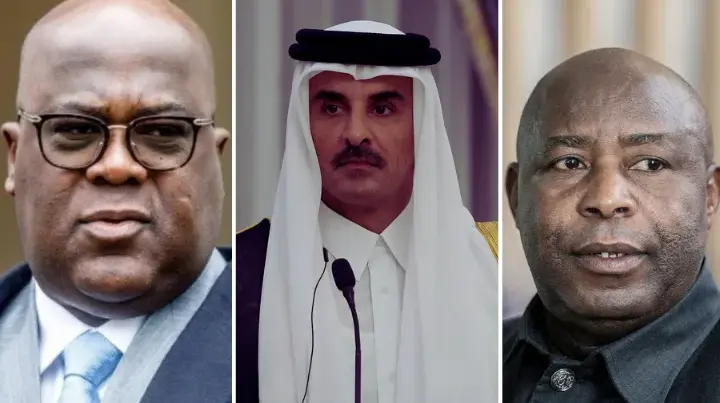
In Bujumbura, Sheikh Mansour was welcomed by President Évariste Ndayishimiye. Talks focused on Burundi’s Vision 2040–2060 strategy, with promises of Qatari capital in energy, agriculture, infrastructure, and job creation.
The pledge of $12 billion is especially striking: Burundi’s GDP in 2024 was only $7 billion. If delivered, this investment would be nearly twice the size of the national economy, potentially transforming the country’s future.
Congo’s Strategic Position
In the DRC, Sheikh Mansour promised $20 billion, targeting mining, energy, trade, and infrastructure. With a GDP of about $79 billion, Congo represents the continent’s biggest strategic opportunity.
Officials in Kinshasa say the deal could align with President Félix Tshisekedi’s economic diversification agenda, helping to unlock local industries and strengthen sovereignty over resources long exploited by outsiders.
By the Numbers: Promises vs. Economies
DEVELOPMENT
Qatar Sheikh Pledges Billions in Burundi, Congo, Africa Tour

Aug 26, 2025
May 15, 2026
5 min read
Published
Updated:
Bujumbura/Kinshasa/Harare: Africa has once again become the stage for global investment promises. This August, Sheikh Mansour Bin Jabor Bin Jassim Al Thani, a member of Qatar’s royal family, toured several African countries, pledging billions of dollars for development projects.
The visits, which included Burundi, the Democratic Republic of Congo (DRC), Zimbabwe, Botswana, and Zambia, were high-profile: Sheikh Mansour arrived in a $90 million private Airbus jet, met presidents face-to-face, and announced investment packages that in some cases rival entire national economies.
Burundi in the Spotlight
In Bujumbura, Sheikh Mansour was welcomed by President Évariste Ndayishimiye. Talks focused on Burundi’s Vision 2040–2060 strategy, with promises of Qatari capital in energy, agriculture, infrastructure, and job creation.
The pledge of $12 billion is especially striking: Burundi’s GDP in 2024 was only $7 billion. If delivered, this investment would be nearly twice the size of the national economy, potentially transforming the country’s future.
ADVERTISEMENT
Congo’s Strategic Position
In the DRC, Sheikh Mansour promised $20 billion, targeting mining, energy, trade, and infrastructure. With a GDP of about $79 billion, Congo represents the continent’s biggest strategic opportunity.
Officials in Kinshasa say the deal could align with President Félix Tshisekedi’s economic diversification agenda, helping to unlock local industries and strengthen sovereignty over resources long exploited by outsiders.
By the Numbers: Promises vs. Economies
The scale of Qatar’s pledges raises both hope and skepticism. According to IMF data and official announcements:
Burundi: GDP $7B vs. pledge $12B (almost double the economy).
Botswana: GDP $19B vs. pledge $12B (two-thirds of GDP).
DRC: GDP $79B vs. pledge $20B.
Zambia: GDP $29B vs. pledge $19B (two-thirds of GDP).
Zimbabwe: GDP $38B vs. pledge $19B (half the economy).
Such promises are unprecedented. For many Africans, the question is not whether the money is needed, but whether it will truly arrive.
ADVERTISEMENT
Hopes, but Also Skepticism
Despite the excitement, Al Mansour Holdings remains largely unknown. The company has no official website, and Qatar’s state news agency has not covered the Africa tour. On LinkedIn, Sheikh Mansour is also listed as owning a small architectural firm in Australia.
Civil society leaders caution that Africa has seen “big announcements” before that never translated into results. Yet governments, hungry for infrastructure and jobs, are choosing optimism.
As Sheikh Mansour put it himself: “What you are seeing in Africa now is the result of three years of hard work and a real vision.”
Pan-African Meaning
For Africa, these announcements carry two messages:
TRENDING NOW


POPULAR TODAY


ADVERTISEMENT
Global competition for Africa’s future is heating up. From minerals to food security, African states are no longer ignored; they are courted.
African governments must lead with unity and accountability. Without strong local ownership, even billions can vanish into thin air.
The Burundi and DRC examples show the stakes clearly: these countries can use new capital to lift people out of poverty, but only if transparency, national priorities, and sovereignty are safeguarded.
Opportunity or Mirage?
Qatar’s promises could be historic investments that change the map of Africa’s development. But they could also become another chapter of unfulfilled pledges if not followed through.
As Africa builds new partnerships, the message is clear: the continent is no longer begging, it is choosing. From Bujumbura to Kinshasa, leaders are seeking partners who will respect sovereignty, deliver real projects, and help shape a future led by Africans themselves.
ADVERTISEMENT
RELATED ARTICLE


