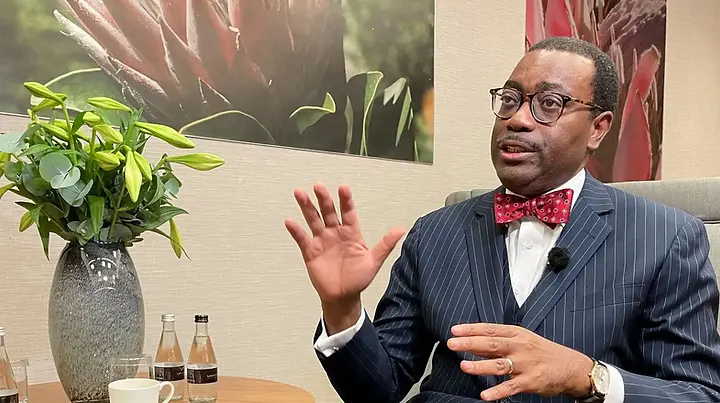
The President of the African Development Bank, has strongly advised against the continuation of natural resource-backed loans by African nations, labeling them as detrimental and unsustainable. In a recent interview with the Associated Press, Adesina highlighted the complexities and inherent risks of these financial arrangements, which have surged due to increased demand for critical minerals essential for renewable energy and electric vehicles.
Adesina pointed out the primary challenges with natural resource-backed loans: the difficulty in accurately pricing underground assets such as minerals, oil, and gas, and the asymmetric nature of negotiations that typically favor lenders. These loans are often secured with the promise of future natural resource exports, aimed at financing infrastructural developments but end up placing recipient countries in disadvantageous positions.
The bank's initiative to assist African countries in renegotiating such loans comes as a response to the numerous issues that arise from these deals, including a lack of transparency, potential for corruption, and a significant power imbalance that can lead to exploitative terms. Adesina emphasized the need for transparency and fair valuation in loan agreements to prevent exploitation and ensure sustainable debt management.
The issue has become particularly pressing as countries like Chad have faced severe financial crises due to the burdensome repayments of oil-backed loans. With at least 11 African countries engaged in such financial arrangements, primarily with China and Western entities like Glencore, Trafigura, and Standard Chartered, the call for a reevaluation of these loans is growing louder.
The African Development Bank's stance reflects a broader concern over the impact of natural resource-backed loans on the economic stability and sovereignty of African nations. As the continent moves towards sustainable development, the push for fairer and more transparent financial practices is gaining momentum.

Par
Author Name
Author Name
13 mars 2024
15 mai 2026
2 min read
Publié
Mis à jour:

The President of the African Development Bank, has strongly advised against the continuation of natural resource-backed loans by African nations, labeling them as detrimental and unsustainable. In a recent interview with the Associated Press, Adesina highlighted the complexities and inherent risks of these financial arrangements, which have surged due to increased demand for critical minerals essential for renewable energy and electric vehicles.
Adesina pointed out the primary challenges with natural resource-backed loans: the difficulty in accurately pricing underground assets such as minerals, oil, and gas, and the asymmetric nature of negotiations that typically favor lenders. These loans are often secured with the promise of future natural resource exports, aimed at financing infrastructural developments but end up placing recipient countries in disadvantageous positions.
The bank's initiative to assist African countries in renegotiating such loans comes as a response to the numerous issues that arise from these deals, including a lack of transparency, potential for corruption, and a significant power imbalance that can lead to exploitative terms. Adesina emphasized the need for transparency and fair valuation in loan agreements to prevent exploitation and ensure sustainable debt management.
PUBLICITÉ
The issue has become particularly pressing as countries like Chad have faced severe financial crises due to the burdensome repayments of oil-backed loans. With at least 11 African countries engaged in such financial arrangements, primarily with China and Western entities like Glencore, Trafigura, and Standard Chartered, the call for a reevaluation of these loans is growing louder.
The African Development Bank's stance reflects a broader concern over the impact of natural resource-backed loans on the economic stability and sovereignty of African nations. As the continent moves towards sustainable development, the push for fairer and more transparent financial practices is gaining momentum.
PUBLICITÉ
Tendances actuelles


Populaire aujourd'hui
PUBLICITÉ
PUBLICITÉ
Articles connexes