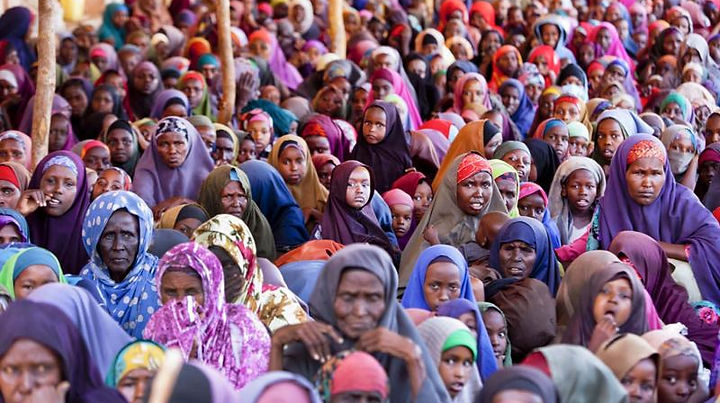
Kenya is poised for a demographic shift, with fertility rates declining to below replacement levels, signaling a potential plateau in its population growth. In contrast, neighbors Uganda and Somalia are expected to see continued population increases, according to a study published in the Lancet journal.
This shift is attributed to a significant drop in Kenya's total fertility rate, from eight children per woman in the 1950s to less than three today, with projections falling to 1.4 by 2100.
The global study, part of the Global Burden of Disease, highlights a worldwide trend towards lower fertility rates, with more than half of all countries now below the 2.1 replacement level. For Kenya, this could mean a shrinking population without immigration, in stark contrast to the ongoing growth in Uganda and Somalia.
The implications of these trends are profound, potentially affecting socio-economic structures, healthcare systems, and workforce dynamics.
Kenya's challenge will be to adapt to these changes, balancing a declining birth rate with the needs of an aging population and a shrinking workforce. Meanwhile, the continued population growth in Uganda and Somalia presents a different set of challenges and opportunities for those nations.
As global fertility rates evolve, countries will need innovative strategies to address the accompanying shifts in their demographic landscapes.

By
Author Name
Author Name
Apr 9, 2024
May 15, 2026
2 min read
Published
Updated:

Kenya is poised for a demographic shift, with fertility rates declining to below replacement levels, signaling a potential plateau in its population growth. In contrast, neighbors Uganda and Somalia are expected to see continued population increases, according to a study published in the Lancet journal.
This shift is attributed to a significant drop in Kenya's total fertility rate, from eight children per woman in the 1950s to less than three today, with projections falling to 1.4 by 2100.
ADVERTISEMENT
The global study, part of the Global Burden of Disease, highlights a worldwide trend towards lower fertility rates, with more than half of all countries now below the 2.1 replacement level. For Kenya, this could mean a shrinking population without immigration, in stark contrast to the ongoing growth in Uganda and Somalia.
The implications of these trends are profound, potentially affecting socio-economic structures, healthcare systems, and workforce dynamics.
ADVERTISEMENT
Kenya's challenge will be to adapt to these changes, balancing a declining birth rate with the needs of an aging population and a shrinking workforce. Meanwhile, the continued population growth in Uganda and Somalia presents a different set of challenges and opportunities for those nations.
As global fertility rates evolve, countries will need innovative strategies to address the accompanying shifts in their demographic landscapes.


POPULAR TODAY
ADVERTISEMENT
ADVERTISEMENT
RELATED ARTICLE